Speak More Clearly: 4 Speech Therapy Exercises for Articulation!
Summary
TLDRThis video offers practical strategies for improving speech clarity, particularly for individuals with dysarthria caused by stroke or neurological conditions. It guides viewers through four exercises: diadochokinetic tasks to enhance speech coordination, repeating multisyllabic words, practicing tongue twisters for precise articulation, and applying these techniques to reading aloud as homework. Emphasizing over-articulation, slowing down speech, and using natural pauses, the video teaches viewers to turn automatic speaking into a conscious, controlled process. Regular practice and self-recording are encouraged to track progress, helping these strategies become more natural and effective in everyday conversation.
Takeaways
- 🗣️ Over-articulating and slowing down your speech helps improve clarity, especially for those with dysarthria.
- 💡 Focusing on crisp and exaggerated consonant production can significantly enhance speech intelligibility.
- 🧘♂️ Taking deep breaths and using natural pauses supports more precise speech production.
- 👄 Oral motor movements may need extra time to reach targets after a stroke or neurologic incident, so practice patience.
- 🎵 Diadochokinetic tasks, like repeating 'puh', 'tuh', 'kuh', improve speech coordination and control.
- 🔄 Gradually combining syllables, such as 'puh-tuh' and 'puh-tuh-kuh', strengthens articulatory precision.
- 📝 Practicing multisyllabic words and integrating them into sentences reinforces clear speech in context.
- 👅 Tongue twisters are excellent tools to enhance articulation accuracy and clarity without focusing on speed.
- 📖 Applying over-articulation, slowed speech, and natural pauses while reading aloud helps generalize skills to daily conversation.
- 📹 Recording yourself and reviewing progress over time is an effective way to track improvements and maintain motivation.
- 🤗 Consistency and patience are key—regular practice helps strategies become more natural in spontaneous speech.
Q & A
What is the purpose of the video?
-The purpose of the video is to help individuals improve their articulation and speech clarity, especially those with dysarthria caused by a stroke or other neurological diseases.
What is the main approach to improving speech clarity in this video?
-The main approach involves over-enunciating and slowing down the rate of speech to make the speech process more voluntary and controlled.
Why is over-articulating important for clarity?
-Over-articulating is important because dysarthria primarily impacts consonants. By exaggerating consonant production, speech becomes clearer and easier to understand.
What is a good way to practice over-articulation?
-A good way to practice over-articulation is by exaggerating sounds like the 't' and 'k' in the word 'talk', ensuring they are clear and precise.
How does speech clarity improve with slower speech?
-Slower speech allows for more precise control of the articulators (like the tongue and lips), which are crucial for clear pronunciation, especially for those who have experienced a neurological incident.
What is the purpose of diadochokinetic tasks in speech therapy?
-Diadochokinetic tasks are used to assess and improve the coordination and clarity of speech by practicing alternating syllables like 'puh', 'tuh', and 'kuh'.
How can you progress in the diadochokinetic tasks?
-You can progress by gradually increasing the speed of your speech, as long as your clarity remains consistent.
What are some examples of multisyllabic words to practice articulation?
-Examples of multisyllabic words include 'California' or 'unbelievable'. These words can be repeated to practice clear and accurate articulation.
Why are tongue twisters useful for speech practice?
-Tongue twisters are great for practicing articulatory coordination and improving clarity. The goal is not speed, but accuracy and clear pronunciation of challenging sounds.
How can someone continue to practice speech strategies outside of the video?
-One can continue practicing by reading aloud (books, social media posts, etc.) using over-articulation, slow speech, and natural pauses. Recording and listening to yourself regularly can track progress.
Outlines

此内容仅限付费用户访问。 请升级后访问。
立即升级Mindmap

此内容仅限付费用户访问。 请升级后访问。
立即升级Keywords

此内容仅限付费用户访问。 请升级后访问。
立即升级Highlights

此内容仅限付费用户访问。 请升级后访问。
立即升级Transcripts

此内容仅限付费用户访问。 请升级后访问。
立即升级浏览更多相关视频

DISTÚRBIOS DE FALA E LINGUAGEM (Afasias, Disartria, Dislexia, Disfonia)

How to Decrease Hypernasality | Voice & Motor Speech

What is occupational therapy?

Médicos, aplicaciones e inteligencia artificial - el futuro de los diagnósticos | DW Documental

เรื่องเล่าทำไมคนไข้เคสนี้สมองพัง ? ... | aimmuno
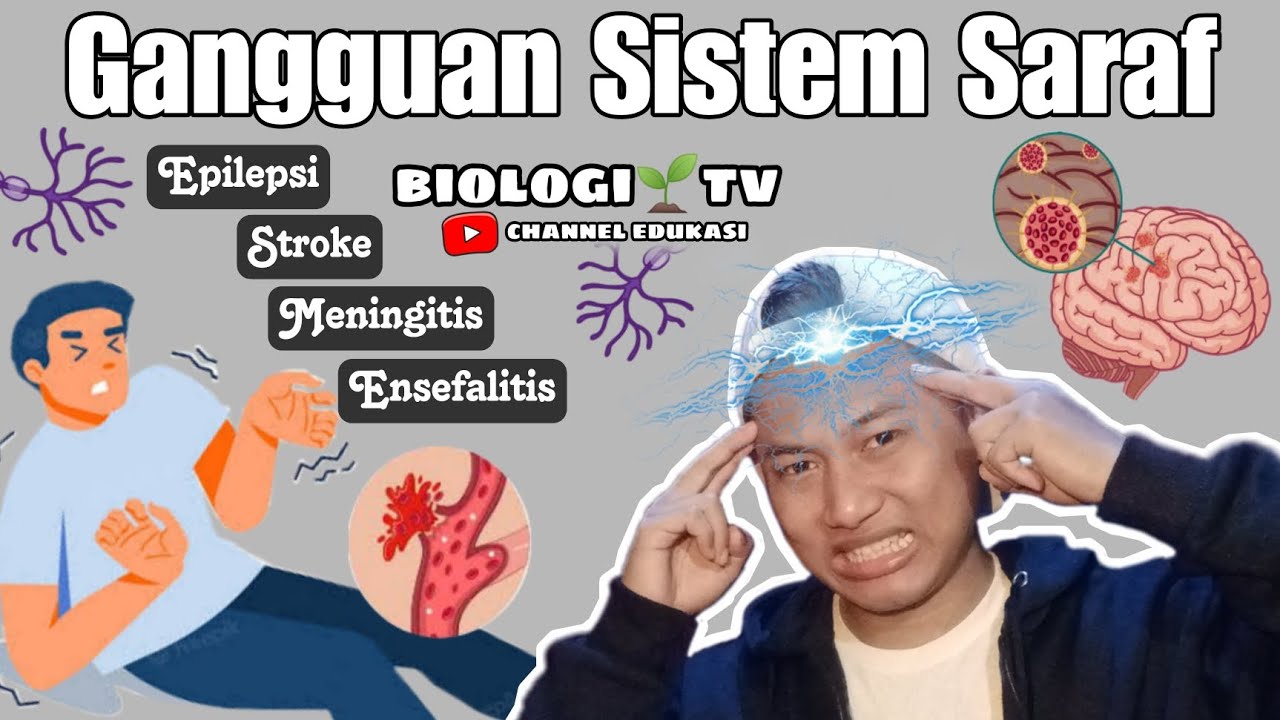
Gangguan sistem saraf - stroke, epilepsi, ensefalitis, meningitis - biologi bab.sistem saraf merdeka
5.0 / 5 (0 votes)

