What Are Fractions? - Math Antics
Summary
TLDRIn this video, Rob from Math Antics introduces the concept of fractions, explaining how they represent a relationship between two numbers through division. He discusses the components of fractions, including the numerator and denominator, and highlights their real-world applications in representing parts of objects, groups, and even abstract amounts. Rob demonstrates how fractions are essentially division problems, making them versatile tools in mathematics. The video also covers how fractions are used in everyday situations, like dividing a pizza or determining test scores, making the concept accessible and engaging.
Takeaways
- 😀 Fractions are a relationship between two numbers that involves division, not just a regular number.
- 😀 The numerator is the top number in a fraction, while the denominator is the bottom number.
- 😀 Fractions can represent parts of a whole, like pieces of a pizza or an orange, with the denominator indicating how many parts the whole is divided into.
- 😀 Fractions can also represent parts of a group, such as the fraction of pets in a group that are dogs, cats, etc.
- 😀 The denominator tells you how many equal parts a whole is divided into, and the numerator tells you how many of those parts you have.
- 😀 Ordinal numbers are used when pronouncing fractions (e.g., one-fourth, two-thirds) to avoid confusion.
- 😀 Fractions can represent parts of abstract things, such as the fraction of questions answered correctly on a test or time spent on activities during the day.
- 😀 Fractions can also be interpreted as division problems, where the fraction represents the result of dividing the numerator by the denominator.
- 😀 Fractions are versatile and can be applied in various contexts, from dividing objects to representing quantities in groups or real-world situations.
- 😀 Smaller numbers can be divided by larger numbers, resulting in a value less than 1, which is still a valid fraction (e.g., 1/2).
Q & A
What is a fraction?
-A fraction is a relationship between two numbers that involves division, representing parts of a whole, a group, or an abstract quantity.
What do the numerator and denominator represent in a fraction?
-The numerator (top number) shows how many parts are being considered, while the denominator (bottom number) shows the total number of equal parts the whole is divided into.
How can fractions represent parts of a whole object?
-By dividing a whole object into equal parts, each part becomes a fraction of the whole. For example, if an orange is divided into 3 parts, one part is 1/3, two parts are 2/3, and all three parts make 3/3, which equals 1 whole.
How are fractions used to represent parts of a group?
-Fractions can represent the proportion of certain members in a group. For instance, if a group has 7 pets with 4 dogs, 2 cats, and 1 hamster, then the fraction of dogs is 4/7, cats 2/7, and hamster 1/7.
Can fractions represent abstract quantities?
-Yes, fractions can represent parts of abstract quantities, such as the number of test questions answered correctly or hours spent on an activity. For example, 17 correct answers out of 20 is 17/20.
How is a fraction related to division?
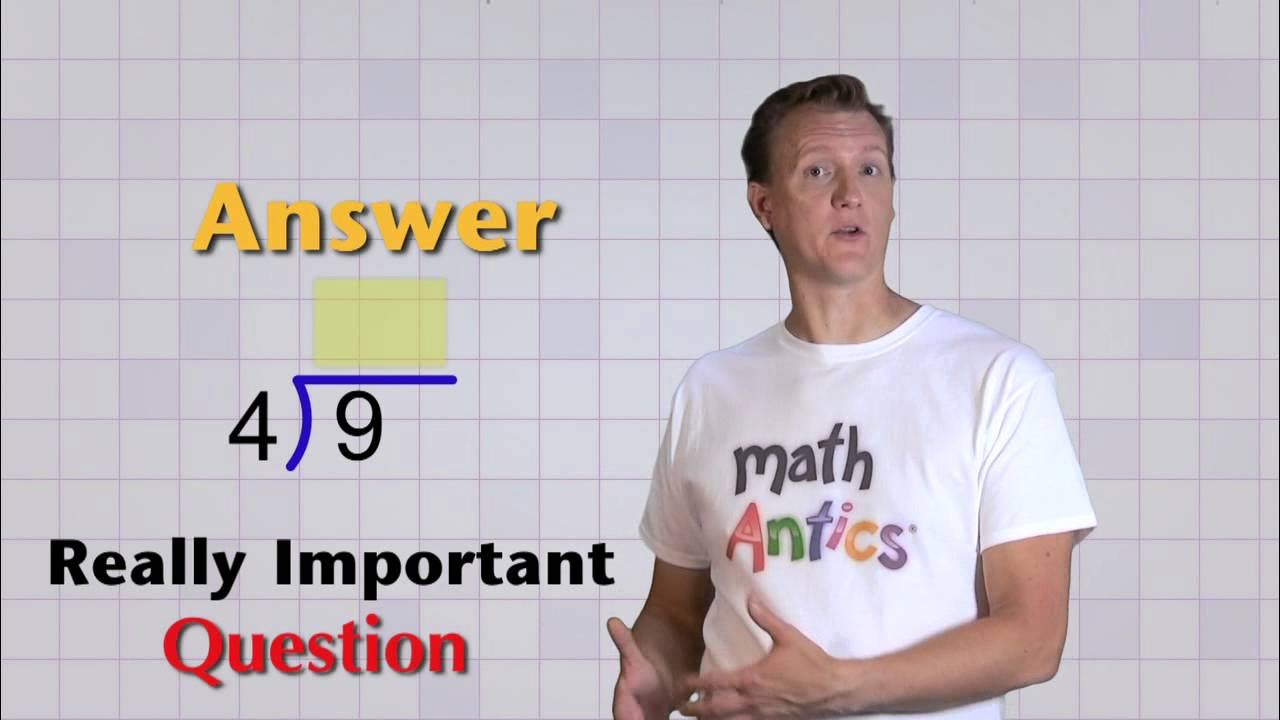
-A fraction is another way to write a division problem. The numerator is the dividend (number being divided) and the denominator is the divisor (number you divide by). For example, 10/5 is the same as 10 ÷ 5.
What happens when the numerator and denominator of a fraction are the same?
-When the numerator and denominator are the same, the fraction equals 1, representing a whole. For example, 3/3 equals 1.
Why do fractions sometimes appear confusing when first learning math?
-Fractions can be confusing because they are not just numbers; they are relationships involving division and can represent parts of objects, groups, or abstract amounts, requiring careful interpretation.
How do you pronounce fractions correctly?
-Fractions are pronounced using ordinal numbers for the denominator, such as one-fourth, two-thirds, or seventeen-twentieths, which clarifies that they represent fractions rather than whole numbers.
What is the importance of understanding that fractions are essentially mini division problems?
-Recognizing that fractions are mini division problems helps understand their value, how they relate to decimals and whole numbers, and how they can be applied to real-life situations like dividing objects, groups, or abstract quantities.
Can you divide a smaller number by a larger number in fractions?
-Yes, dividing a smaller number by a larger number produces a fraction less than 1. For example, 1 ÷ 2 equals 1/2.
Outlines

此内容仅限付费用户访问。 请升级后访问。
立即升级Mindmap

此内容仅限付费用户访问。 请升级后访问。
立即升级Keywords

此内容仅限付费用户访问。 请升级后访问。
立即升级Highlights

此内容仅限付费用户访问。 请升级后访问。
立即升级Transcripts

此内容仅限付费用户访问。 请升级后访问。
立即升级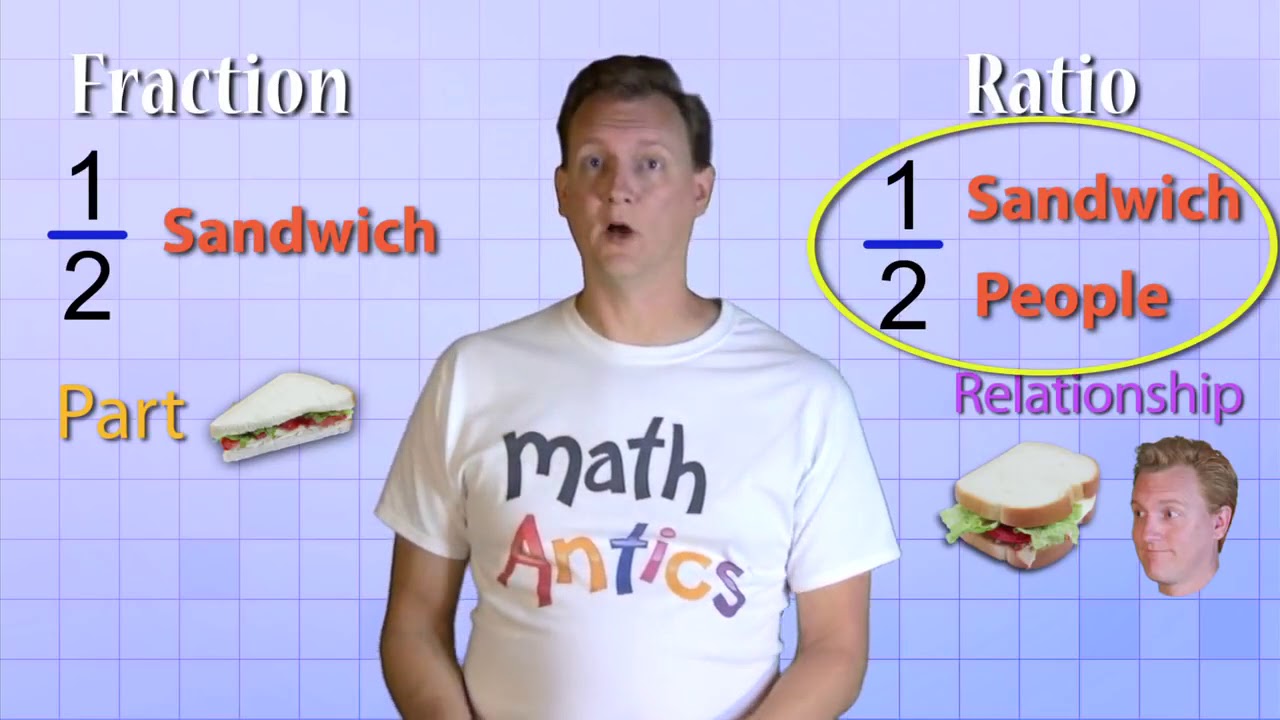

5.0 / 5 (0 votes)

