Kenapa Pemerintah Tetap Ngotot Jalankan MBG Meski 16.000 Orang Keracunan?
Summary
TLDRThe video explores Indonesia's controversial 'MBG' program, aimed at tackling stunting among children but mired in issues like mass food poisoning, corruption, and budget mismanagement. While the program addresses a critical health crisis affecting millions, the execution raises concerns. The video highlights the complex layers behind the government's persistence, weighing the economic costs of malnutrition against the risks of its flawed intervention. It calls for a more transparent, evidence-based approach to reforming MBG to ensure its long-term success, engaging viewers to critically assess and contribute to the ongoing debate.
Takeaways
- 👶 Stunting affects 4.48 million children in Indonesia, causing permanent cognitive deficits if not addressed before age 3.
- 🍽️ The MBG (Makan Bergizi Gratis) program aims to combat malnutrition by providing free nutritious meals to children across the country.
- 💰 MBG's budget is massive: 71 trillion IDR in 2025, rising to 335 trillion IDR in 2026, consuming 29% of the national education budget.
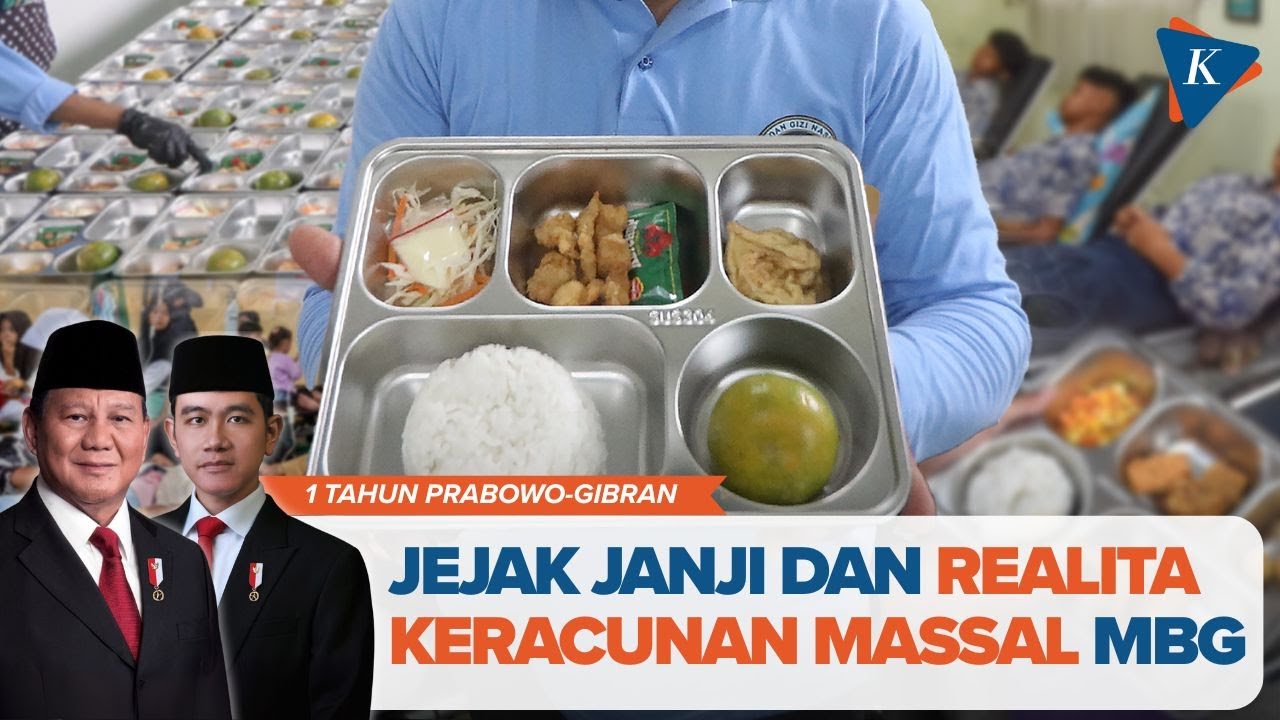
- ⚠️ Safety issues exist: over 16,000 children suffered food poisoning linked to MBG in 2025, highlighting serious execution flaws.
- 🔍 Corruption and conflicts of interest are reported, including misuse of MBG funds for items unrelated to nutrition like motorcycles and tablets.
- 📊 Indonesia's MBG program is larger than similar programs in Brazil and India but lacks strong legal frameworks and qualified nutrition experts.
- 🧠 Governments may persist with programs due to psychological commitment (sunk cost fallacy), making it politically difficult to stop MBG despite problems.
- 🌍 International examples like Brazil and India show that school feeding programs can succeed with oversight, legal frameworks, and gradual reforms.
- 🤝 Citizens can engage by practicing 'both-and thinking,' supporting the program's goals while demanding improvements in execution and oversight.
- 📈 Transparency and evidence-based evaluation are essential: tracking budget use, monitoring outcomes, and demanding independent assessments ensure accountability.
- 📌 MBG represents a 'wicked problem' in public policy: any solution introduces new challenges, requiring careful, multi-layered strategies to address both benefits and risks.
Q & A
What is the MBG program and why was it launched?
-The MBG (Makanan Bergizi Gratis or Free Nutritional Meals) program was launched to address malnutrition, specifically stunting, in Indonesia. It aims to provide free nutritious meals to children in need, particularly those in disadvantaged regions. The goal is to prevent permanent brain damage caused by malnutrition in children under the age of 3.
What are the key issues associated with the MBG program?
-The key issues include food safety concerns, as there have been mass food poisoning incidents linked to the program, corruption and conflicts of interest in the distribution process, and financial mismanagement, with significant portions of the budget being spent on non-food-related items. Additionally, the program’s funding diverts resources from other essential sectors, like education.
How much funding is allocated to the MBG program, and what concerns have been raised about its budget?
-The MBG program's budget is set to reach 335 trillion IDR in 2026, with a daily expenditure of 1.2 trillion IDR. Concerns have been raised about the allocation of this massive budget, particularly as it takes funds from other critical areas like education. For example, 29% of the national education budget is being redirected to the MBG program.
How many children are affected by malnutrition in Indonesia, and what is the long-term impact if not addressed?
-Approximately 4.48 million children in Indonesia are affected by malnutrition and stunting. If not addressed, these children could experience permanent brain damage, leading to long-term cognitive and academic performance issues. Malnutrition also contributes to significant economic loss, with the World Bank estimating it results in a 3% loss in GDP annually in developing countries.
What are the reported food safety problems in the MBG program?
-Food safety issues include over 16,000 reported cases of food poisoning from the MBG program, with some foods being spoiled or contaminated. A survey found that 90% of children complained about the food's taste, and 36% raised concerns about the food’s quality and smell. Some food items were even reported to be rotten.
How does the MBG program compare to similar programs in other countries?
-While the MBG program is the largest in terms of budget, it lacks the strong legal and structural foundations seen in similar programs in other countries. For example, Brazil’s school feeding program (PNAE) is backed by federal law and has a strong monitoring system. India’s midday meal scheme also faced challenges but has continued to improve through strict regulations and oversight.
What are the accusations of corruption related to the MBG program?
-There have been accusations of corruption related to the MBG program, particularly involving members of Prabowo's political circle. Investigations have revealed that funds intended for the program were misused to purchase non-essential items, such as motorcycles and clothing. These issues raise concerns about the program's integrity and the potential for further corruption.
Why is it difficult for the government to stop the MBG program despite the problems?
-The government, particularly President Prabowo, is heavily invested in the MBG program both politically and personally. Stopping the program would not only risk his political reputation but also undermine the efforts made so far. There is also a psychological phenomenon known as the 'sunk cost fallacy,' where decision-makers are reluctant to abandon a project after significant resources have already been committed.
What is the scientific argument in favor of continuing the MBG program?
-The scientific argument in favor of continuing the MBG program is that addressing malnutrition and stunting early in life is critical for long-term cognitive and physical development. Studies show that malnutrition in early childhood can lead to permanent IQ deficits, poorer academic performance, and reduced economic productivity later in life.
How can citizens contribute to improving the MBG program?
-Citizens can contribute by supporting both the goals of the MBG program while also demanding better execution. This includes advocating for higher food safety standards, transparent budgeting, and independent evaluations of the program’s impact. Public scrutiny and accountability are essential to ensuring the program meets its objectives without wasting resources or endangering children.
Outlines

此内容仅限付费用户访问。 请升级后访问。
立即升级Mindmap

此内容仅限付费用户访问。 请升级后访问。
立即升级Keywords

此内容仅限付费用户访问。 请升级后访问。
立即升级Highlights

此内容仅限付费用户访问。 请升级后访问。
立即升级Transcripts

此内容仅限付费用户访问。 请升级后访问。
立即升级浏览更多相关视频
Makan Bergizi Gratis: Program Andalan Prabowo dengan Segala Catatannya

Buka-bukaan Makan Bergizi Gratis [Bedah Editorial MI]

Jalan Menuju Indonesia Hebat - Bedah Editorial MI

BGN Target "Zero Accident", Anak-Anak Sekolah Kena Racun di MBG - [Meet Nite Live]

MBG dan Aturan Konstitusi

Will Indonesia keep feeding Prabowo’s free school meal scheme?
5.0 / 5 (0 votes)

