Collecting Blood Evidence, Luminol and Blue Star
Summary
TLDRIn this video, Sergeant Mike McCutchen provides a detailed, step-by-step guide on collecting, testing, and packaging blood evidence in forensic investigations. He demonstrates techniques for handling wet and dried blood, using preliminary tests like Quick Check and Hemo Sticks, and highlights the importance of controls to prevent contamination. The video also covers detecting hidden or cleaned blood with luminol and Blue Star, scraping large blood samples, and proper paper-based packaging methods. Viewers learn essential tips for preserving DNA integrity, documenting stains through photography, and maintaining safety while processing evidence, making it a practical and informative forensic tutorial.
Takeaways
- 😀 Always wear gloves when handling blood evidence to avoid contamination.
- 😀 Use sterile or distilled water for preliminary blood tests, depending on lab requirements.
- 😀 Quick Check and Hema sticks are used for preliminary blood tests to determine if a stain is blood.
- 😀 Blood should never be packaged in plastic as it promotes mold growth; use paper packaging instead.
- 😀 When collecting wet blood, always take two swabs: one for the sample and one as a control.
- 😀 For dried blood, lightly moisten a swab with water before collecting the sample to ensure proper collection.
- 😀 When testing blood on a surface, always use separate swabs for the sample and the test surface to avoid contamination.
- 😀 If blood has been cleaned up, use luminol or blue star to detect traces of blood not visible to the naked eye.
- 😀 Blue star is better than luminol for detecting blood under non-ideal lighting conditions as it doesn’t require total darkness.
- 😀 When collecting blood from fabric or carpet, check both the surface and underside to ensure no traces are missed.
- 😀 Proper packaging of blood-stained clothing is critical to avoid contamination between different blood stains (e.g., weapon impression vs. drip stains).
Q & A
What is the first step in collecting blood evidence at a crime scene?
-The first step is to wear gloves to ensure that you don't contaminate yourself or the crime scene.
Why should blood not be packaged in plastic bags?
-Blood should not be packaged in plastic bags because it can develop mold, similar to how a wet towel can get moldy if left in a plastic bag.
What are the two primary types of water used in blood evidence collection, and how do they differ?
-Sterile water and distilled water are used for blood evidence collection. Sterile water is preferred by some labs, while others may require distilled water. The choice depends on lab specifications.
What is the purpose of using Quick Check and Hemo Sticks in blood testing?
-Quick Check and Hemo Sticks are used as preliminary blood tests to confirm the presence of blood. They change color (green) when blood is detected.
How should dried blood be collected for evidence?
-Dried blood should be collected by moistening a swab with sterile water and gently rubbing it on the blood stain to gather a sample.
What is the proper packaging method for dried blood evidence?
-Dried blood should be allowed to dry completely, then it can be packaged in a box, never in plastic bags, to prevent mold growth.
How can you prevent cross-contamination when collecting blood samples at a crime scene?
-To prevent cross-contamination, always use separate swabs for collecting the sample and for testing surfaces. Additionally, use a control swab to verify the sample's integrity.
What is the role of Blue Star and Luminol in blood detection?
-Blue Star and Luminol are chemicals used to detect blood that has been cleaned or wiped away. Blue Star is less destructive to DNA and has a longer shelf life, while Luminol fades faster.
Why is it important to take photographs of evidence after using Luminol or Blue Star?
-It's important to photograph the evidence quickly after using Luminol or Blue Star because the luminescence fades over time, and clear documentation is needed for future analysis.
What is a ‘drug fold’ paper and how is it used in blood collection?
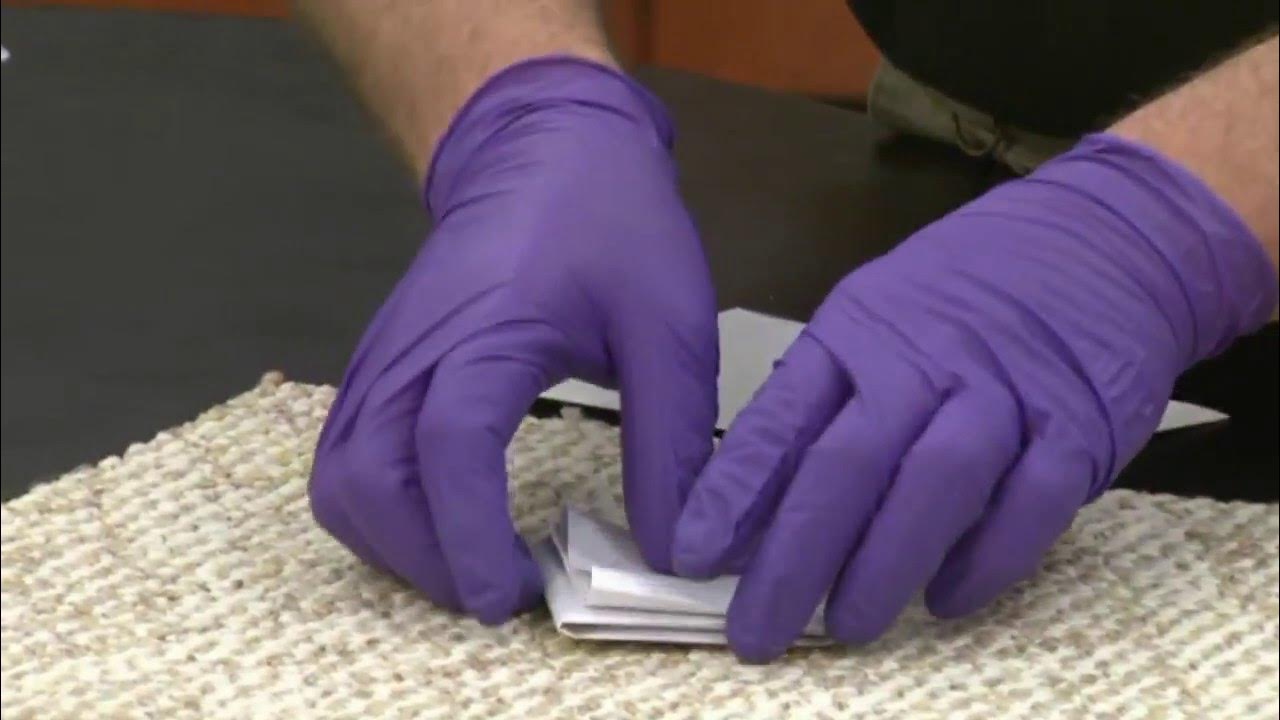
-A drug fold is a special paper used to collect dry blood samples. It allows the blood to be safely contained and sent to the lab without contamination.
Outlines

此内容仅限付费用户访问。 请升级后访问。
立即升级Mindmap

此内容仅限付费用户访问。 请升级后访问。
立即升级Keywords

此内容仅限付费用户访问。 请升级后访问。
立即升级Highlights

此内容仅限付费用户访问。 请升级后访问。
立即升级Transcripts

此内容仅限付费用户访问。 请升级后访问。
立即升级



5.0 / 5 (0 votes)

