Why the world's superpowers are racing to control the Arctic - BBC World Service
Summary
TLDRThe Arctic, once a symbol of peace and cooperation, is rapidly becoming a contested region due to climate change, melting ice, and strategic military interests. Countries like the US, Russia, and China are increasing their presence, seeking resources and new shipping routes. Greenland's strategic importance has led to tensions, with the US eyeing its resources while locals resist annexation. As Arctic ice continues to melt, access to vast oil, gas, and mineral reserves becomes more feasible, intensifying global competition. The region's once calm environment is now characterized by heightened geopolitical tensions, marking a shift from 'high north, low tension' to 'high north, high tension.'
Takeaways
- 😀 The Arctic is warming faster than any other region on Earth, making it increasingly important for both national and international security.
- 😀 Major powers are focusing on the Arctic for resources, new shipping routes, and to strengthen their global position.
- 😀 The eight Arctic nations, including the US, Canada, Russia, and others, have territorial claims in the Arctic Circle.
- 😀 The Cold War era saw military rivalry in the Arctic, but after the Cold War ended, the focus shifted towards environmental cooperation and research.
- 😀 The Arctic Council was established to promote peace and cooperation among the Arctic nations on environmental protection and research.
- 😀 Russia's invasion of Ukraine in 2022 has reignited tensions in the Arctic, with NATO countries and Russia increasing their military presence.
- 😀 The US has shown interest in Greenland for its military and strategic importance, although the majority of Greenland's population prefers independence.
- 😀 There are growing concerns over Russian and Chinese cooperation in the Arctic, with joint military exercises and patrols generating international tension.
- 😀 China has been investing in Arctic infrastructure and resources, including natural gas extraction projects with Russia, despite facing challenges in the region.
- 😀 The Arctic's melting ice opens up potential shipping routes, with Russia’s Northern Sea Route currently the only viable option, but it’s still far from competing with the Suez Canal.
- 😀 The Arctic is estimated to hold vast untapped natural resources, including significant amounts of oil, gas, and minerals, which are increasingly being explored as ice melts.
Q & A
Why is the Arctic warming faster than other regions on Earth?
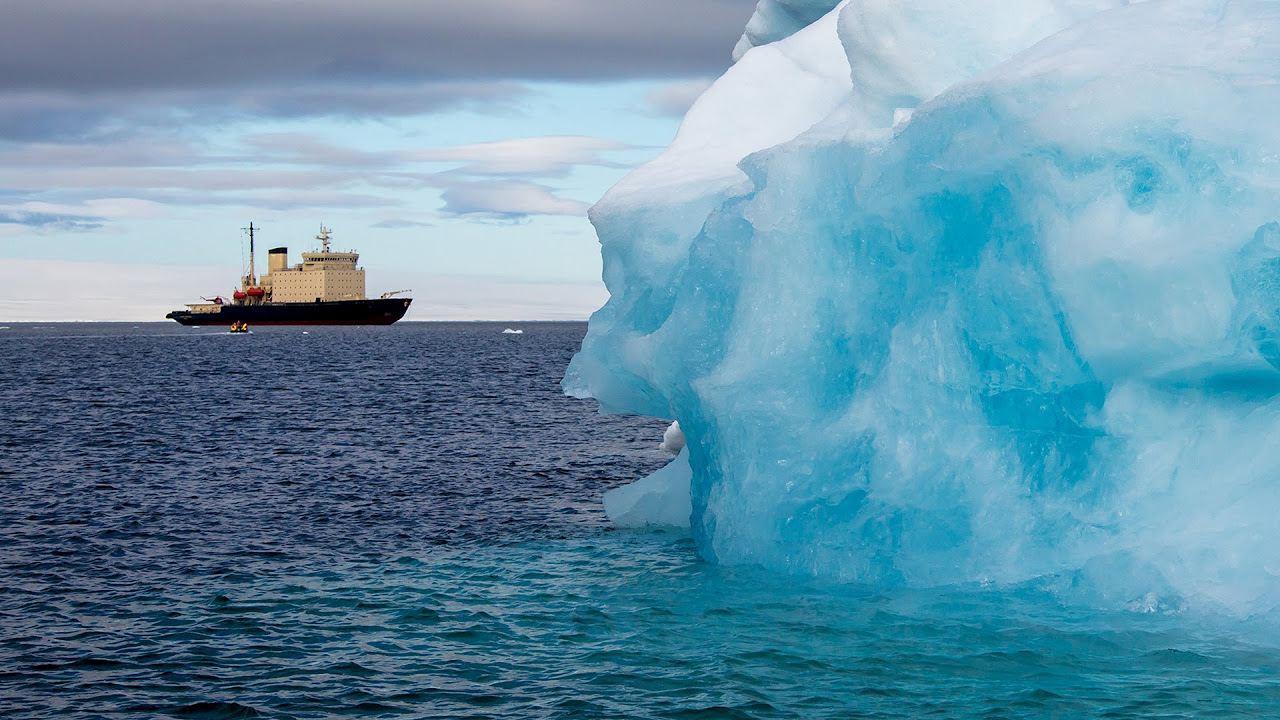
-The Arctic is experiencing accelerated warming due to climate change, amplified by the feedback effect where melting ice reduces the Earth's albedo, causing more solar absorption and further warming.
Which countries have territory in the Arctic Circle?
-Eight countries have territory in the Arctic Circle: United States, Canada, Greenland (part of Denmark), Iceland, Norway, Sweden, Finland, and Russia.
How did the Cold War influence military activity in the Arctic?
-During the Cold War, the Arctic was militarized as a potential missile strike route, with both the US and Soviet Union expanding military bases and operations in the region.
What was the purpose of forming the Arctic Council?
-The Arctic Council was established by the eight Arctic nations to promote cooperation, particularly in research and environmental protection, focusing on areas of shared interest rather than conflict.
How has Russia's invasion of Ukraine in 2022 affected Arctic geopolitics?
-The invasion reopened Cold War-era tensions, with Finland and Sweden joining NATO, making the Arctic a frontline between Russia and NATO members, and increasing military activity and risk of conflict.
What role does Greenland play in US and global strategy?
-Greenland is strategically important for US national and international security, hosting a US military base and offering access to Arctic resources and potential control of Arctic routes.
How are Russia and China cooperating in the Arctic?
-Russia and China conduct joint naval patrols and military exercises in the Arctic, with China positioning itself as a near-Arctic state and investing in the Polar Silk Road, though their partnership has internal strategic tensions.
What are the challenges of Arctic shipping routes?
-Arctic shipping routes, like Russia's Northern Sea Route, are limited by ice coverage for most of the year, unpredictable summer conditions, narrow windows for navigation, and lack of infrastructure, making them less reliable than traditional routes like the Suez Canal.
What natural resources are found in the Arctic, and why are they significant?
-The Arctic contains an estimated 30% of undiscovered natural gas, 13% of undiscovered oil, and valuable minerals, including rare earth elements in Greenland, which could reduce reliance on foreign suppliers like China.
Why is extracting resources in the Arctic difficult?
-Resource extraction is complicated due to harsh, remote environments, high operational costs, limited infrastructure, and scarcity of skilled labor nearby.
How has military presence in the Arctic changed in recent years?
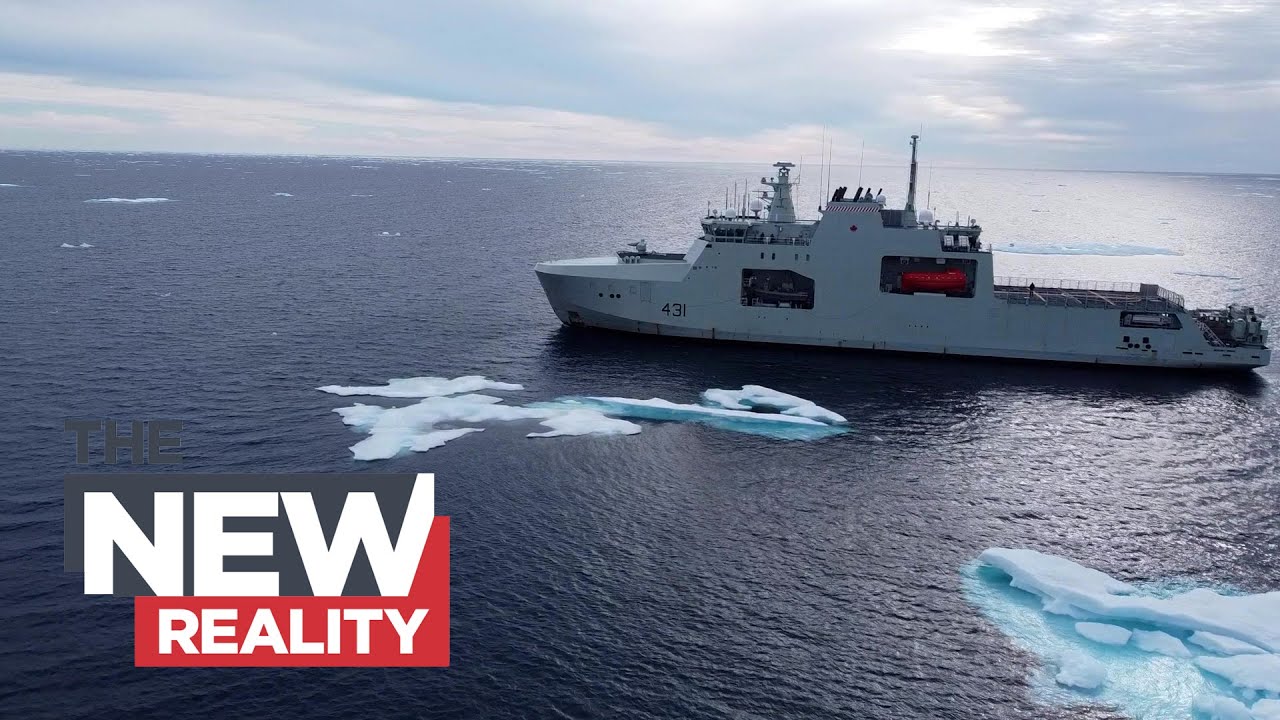
-Both Russia and NATO have increased military activity, reopening old bases, testing advanced missiles, deploying fighter jets near Alaska, and conducting large-scale exercises, reversing the post-Cold War trend of reduced militarization.
What does the phrase 'high north, high tension' signify about the Arctic?
-It reflects the current state of the Arctic as a region of intense geopolitical competition, military activity, and strategic importance, replacing the previous perception of it being peaceful and cooperative.
Outlines

此内容仅限付费用户访问。 请升级后访问。
立即升级Mindmap

此内容仅限付费用户访问。 请升级后访问。
立即升级Keywords

此内容仅限付费用户访问。 请升级后访问。
立即升级Highlights

此内容仅限付费用户访问。 请升级后访问。
立即升级Transcripts

此内容仅限付费用户访问。 请升级后访问。
立即升级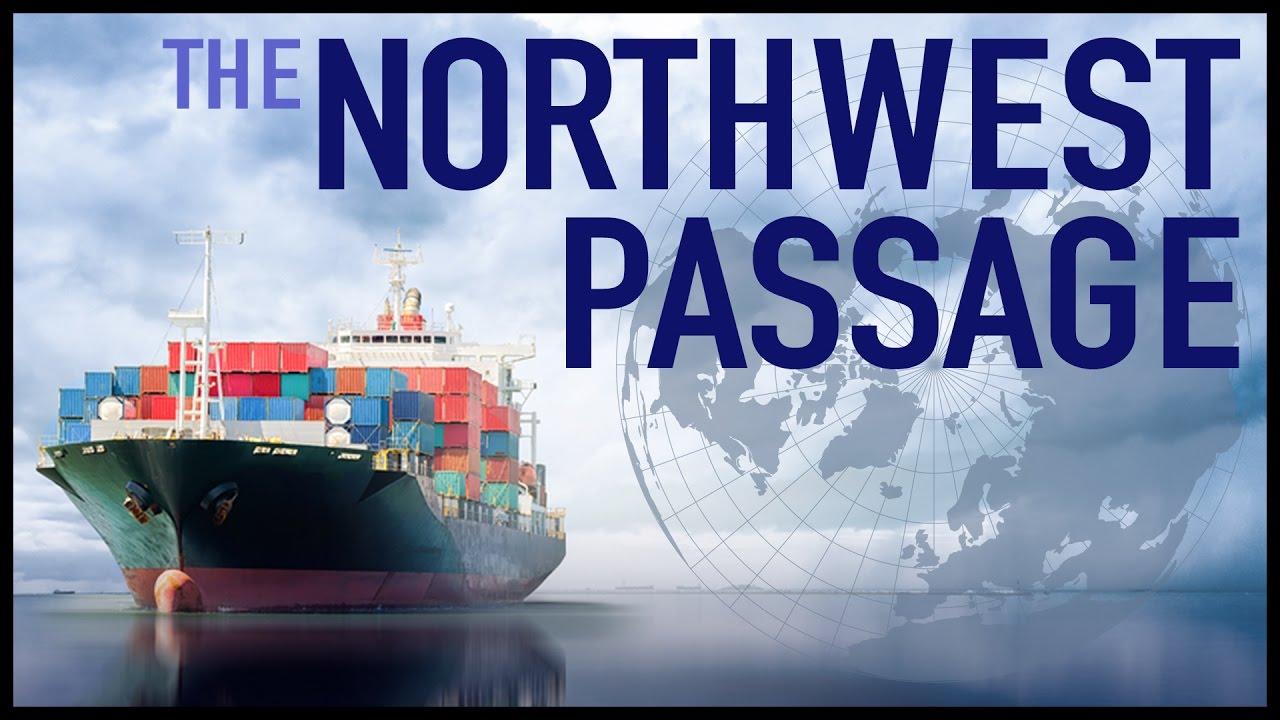



5.0 / 5 (0 votes)

