Guerras do Brasil.doc - Ep 2 - As Guerras de Palmares.
Summary
TLDRThe transcript explores the history of slavery in Africa and Brazil, highlighting the internal African slave trade, Portuguese colonization, and the brutal conditions endured by enslaved Africans. It details the rise of Palmares, a network of quilombos led by figures like Zumbi, which resisted colonial oppression and offered relative freedom to fugitives. The narrative examines the social, political, and spiritual organization of these communities, their confrontations with colonial forces, and the eventual downfall of Palmares. The discussion connects historical events to contemporary issues, emphasizing the ongoing struggles of Afro-Brazilian communities and the importance of preserving their cultural heritage and land rights.
Takeaways
- 😀 Slavery existed within Africa long before it became part of the transatlantic slave trade. Various African nations practiced forms of enslavement due to internal conflicts and war.
- 😀 The term 'slave' originated from the Slavs, as they were captured and sold as slaves during conflicts, particularly in the Mediterranean region. This concept evolved into the modern understanding of slavery.
- 😀 Portuguese involvement in the transatlantic slave trade started in the 16th century, beginning with importing African slaves to Portugal and its colonies, notably Madeira, where sugarcane plantations were established.
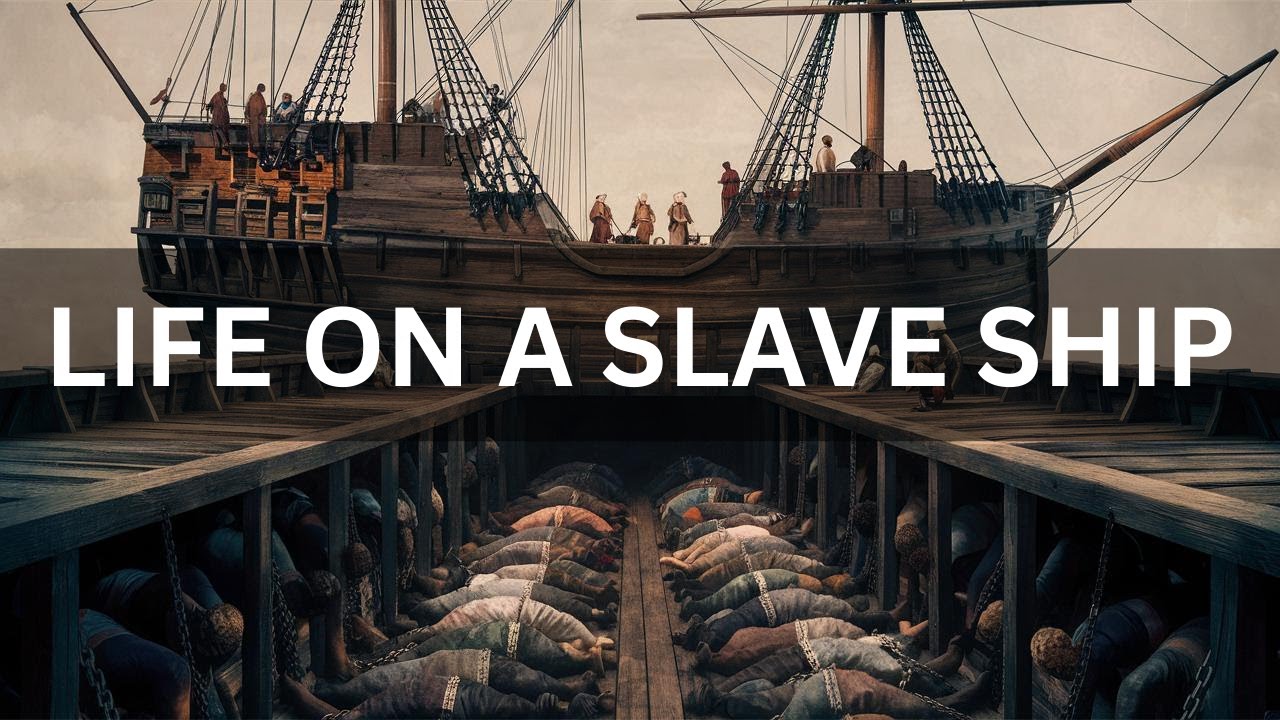
- 😀 The Portuguese used enslaved Africans for labor on sugar plantations, and by the 17th century, over 12 million African slaves were transported to the Americas.
- 😀 Enslaved Africans in Brazil suffered brutal conditions, with an average life expectancy of just 20 years due to grueling labor, including 12-16 hours of work per day.
- 😀 Quilombos, like Palmares, were not isolated but well-organized communities of runaway slaves. They often received warnings of attacks and had their own defenses in place, sometimes utilizing guerrilla tactics against colonial forces.
- 😀 Palmares grew to have a population of around 20,000 people at its peak, and it was a symbol of resistance against slavery in Brazil. Its success led to colonial efforts to destroy it.
- 😀 Zumbi dos Palmares, one of the most iconic leaders of resistance, combined political, military, and spiritual leadership in Palmares. His name may represent a leadership position rather than an individual person.
- 😀 The Portuguese colonial forces made several attempts to break down Palmares, with an agreement signed with some of its leaders, but Zumbi and many others rejected it, continuing the fight for freedom.
- 😀 Despite the destruction of Palmares and the death of Zumbi in 1695, his legacy as a hero of resistance remains. He is a national symbol of the fight against slavery and colonial oppression in Brazil.
- 😀 Today, many quilombola communities still fight for the recognition of their land rights. These communities maintain a deep connection with their ancestral roots and continue to preserve their cultural heritage.
Q & A
What role did internal African conflicts play in the transatlantic slave trade?
-Internal conflicts in Africa created prisoners of war who were then sold as slaves. Portuguese traders exploited this existing system, buying enslaved people from African groups involved in local conflicts, thus fueling the transatlantic slave trade.
Why was the Portuguese colony of Madeira considered a 'laboratory' for slavery?
-Madeira was one of the first locations where Portuguese colonizers applied large-scale slave labor for sugarcane plantations. It served as a testing ground for techniques of organizing and managing enslaved labor before applying them in Brazil.
What factors made Brazil heavily reliant on African enslaved labor?
-Brazil had a large territory but a relatively small Portuguese and indigenous population. The colony lacked immediate sources of gold like in Spanish territories, so sugarcane plantations required extensive labor, which was met through the importation of millions of African enslaved people.
How brutal was the life expectancy of enslaved people in Brazil?
-Enslaved people typically had a life expectancy of around 20 years due to extremely harsh labor conditions, including working 12–16 hours a day on plantations, with many becoming disabled or dying after 10 years of work.
What was Palmares, and why was it significant?
-Palmares was a large quilombo, a community of escaped enslaved people, in Brazil. It became a political, military, and cultural hub resisting colonial oppression, eventually housing tens of thousands of people and demonstrating organized self-governance and military defense.
How was leadership organized in Palmares?
-Palmares had a structured leadership with a chief leader who was simultaneously a political, military, and spiritual authority, supported by councils of elders and other leaders. Leadership roles were influenced by African traditions, particularly from Congo and Angola.
What strategies did Palmares use to defend itself from Portuguese attacks?
-Palmares used natural terrain advantages, early warnings of incoming expeditions, and fortified settlements. Escaped enslaved people and allied indigenous people participated in defensive and retaliatory incursions against nearby plantations.
What was the outcome of Ganga Zumba’s peace agreement with the Portuguese?
-The agreement temporarily recognized Palmares' people as subjects of the Portuguese crown, granting freedom to those born there. However, many resisted this agreement, including Zumbi, continuing the fight against colonial forces in Serra da Barriga.
How did Zumbi of Palmares die, and why is he significant?
-Zumbi was betrayed, captured, and executed with his head displayed in Recife as a warning. He remains a symbol of resistance against slavery and colonial oppression in Brazil and is celebrated as a national hero.
What is the contemporary relevance of Palmares and its legacy?
-Palmares' legacy continues through the struggle of quilombola communities for land rights and recognition. It symbolizes the ongoing fight against racial violence and injustice, emphasizing the importance of valuing and protecting Afro-Brazilian cultural heritage.
What does the transcript reveal about modern racial violence in Brazil?
-The transcript highlights ongoing systemic violence against young Black people in places like Alagoas, demonstrating how historical oppression and inequality continue to manifest in contemporary society despite symbolic honors like naming airports after Zumbi.
How did European colonizers justify enslaving Africans?
-European colonizers, including the Portuguese, often used religious justification, claiming that enslaving Africans would redeem their 'original sin,' and many enslaved people were baptized to reinforce this ideological framework.
Outlines

此内容仅限付费用户访问。 请升级后访问。
立即升级Mindmap

此内容仅限付费用户访问。 请升级后访问。
立即升级Keywords

此内容仅限付费用户访问。 请升级后访问。
立即升级Highlights

此内容仅限付费用户访问。 请升级后访问。
立即升级Transcripts

此内容仅限付费用户访问。 请升级后访问。
立即升级



5.0 / 5 (0 votes)

