LITOSFER : PATAHAN DAN LIPATAN
Summary
TLDRIndonesia's dynamic landscape, with thousands of islands, active volcanoes, and frequent earthquakes, is driven by tectonism—the slow but powerful movement of Earth's crust. This video explains tectonism in simple terms, exploring two main types: epirogenetic movements, which slowly raise or lower large land areas, and orogenetic movements, which form mountains, valleys, folds, and faults. While tectonism creates fertile soils, stunning landscapes, and valuable resources, it also poses risks like earthquakes, tsunamis, and landslides. Understanding these forces helps us appreciate the Earth's activity, utilize its benefits, and prepare for its hazards, highlighting the intricate balance between nature's beauty and power.
Takeaways
- 😀 Tectonism is the movement and shifting of Earth's crust, driven by internal forces, causing significant geological changes.
- 🌍 Indonesia has thousands of islands, active volcanoes, and frequent earthquakes, all influenced by tectonism.
- 🌋 Tectonic movements result in volcanic eruptions, creating fertile soil for agriculture and scenic landscapes for tourism.
- 🌊 Tectonism is responsible for natural disasters like earthquakes, tsunamis, and landslides, which are also a part of Earth's dynamic processes.
- 🔄 There are two main types of tectonic movements: Epirogenetic and Orogenetic.
- ⬆️ Epirogenetic movement involves the slow rising or sinking of large land masses, like continents and large islands.
- ⬇️ Positive epirogenetic movement causes land to sink, making sea levels appear higher, like in the Maluku Barat Daya region.
- 🗻 Orogenetic movement occurs in narrower areas and involves rapid movements like folding and faulting of rocks.
- 🌍 Folding can create mountains, valleys, and hills, with different types of folds: anticline, syncline, monoclinal, and overturned.
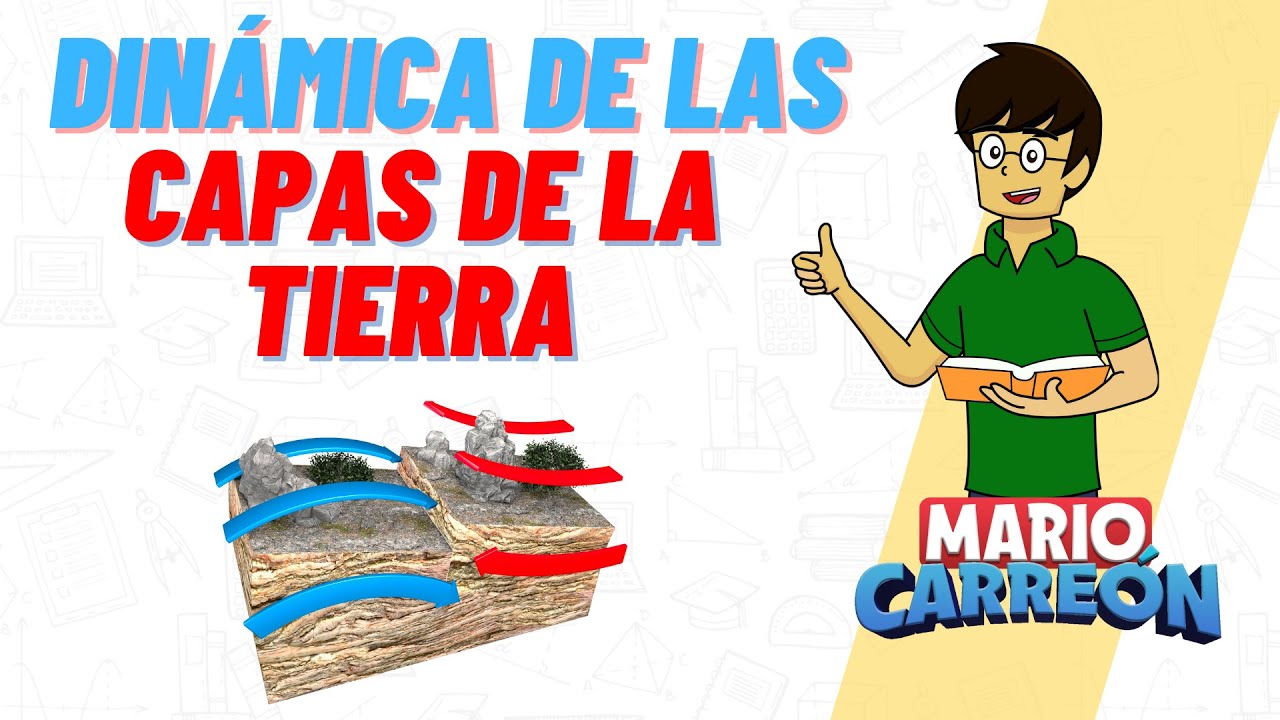
- 🔧 Faulting involves cracks in Earth's crust, causing rock layers to shift, and can lead to earthquakes. There are three main types of faults: normal, reverse, and strike-slip faults.
- 💡 Tectonism is not just a geographic theory but impacts daily life, from fertile land for farming to the potential for natural disasters that require mitigation.
Q & A
What is tektonisme, as explained in the video?
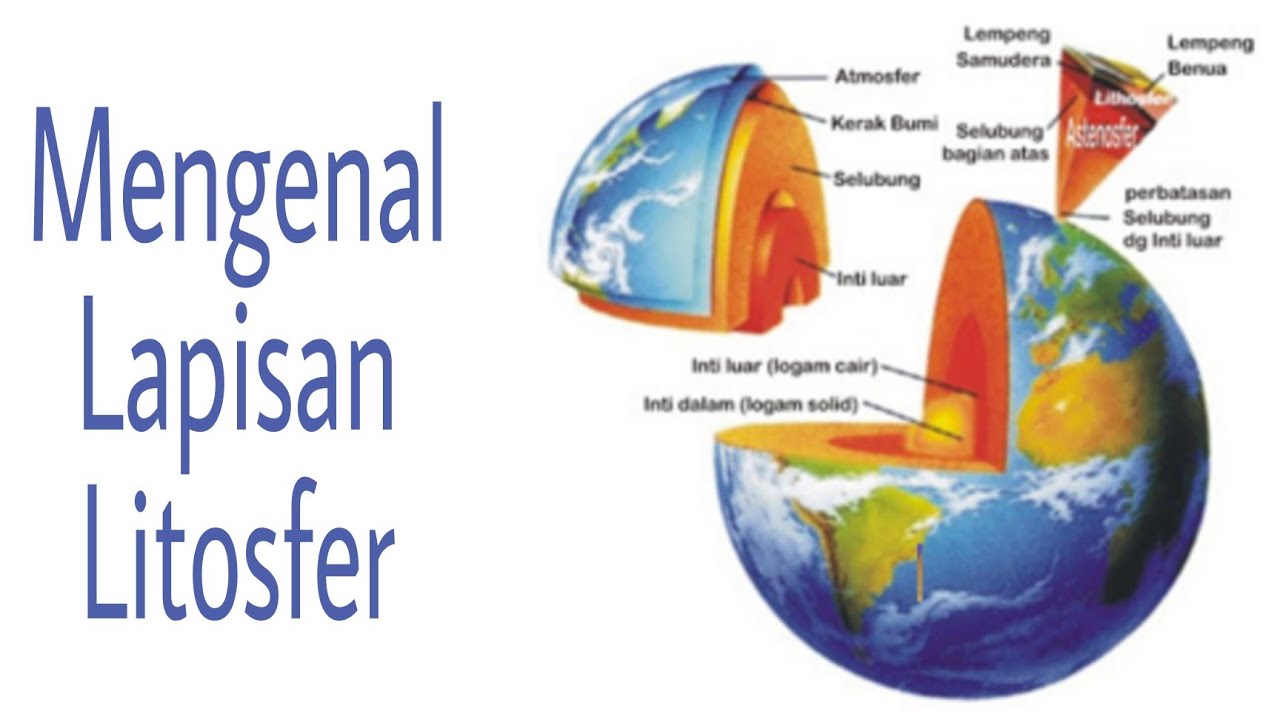
-Tektonisme is the process of shifting and changing the Earth's crust caused by internal forces from within the Earth, also known as endogenic forces. It results in phenomena like earthquakes, volcanic activity, mountain formation, and changes in landforms.
Why does Indonesia experience frequent earthquakes and have many active volcanoes?
-Indonesia is located on the convergence of several tectonic plates. The movement, collision, and friction between these plates cause frequent earthquakes and volcanic activity.
How does the video describe the Earth's crust for easier understanding?
-The video likens the Earth's crust to a giant puzzle that slowly moves and shifts. The movement and collision of the puzzle pieces (tectonic plates) create friction and dynamic geological activity.
What are the two main types of tectonic movements mentioned?
-The two main types are epirogenetic movements and orogenetic movements. Epirogenetic movements are slow and affect large land areas, while orogenetic movements are faster and typically occur in narrower regions.
Can you explain the difference between epirogenetic positive and negative movements?
-Epirogenetic positive movement occurs when the land sinks, making the sea level appear to rise, as seen in the Southwest Maluku Islands. Epirogenetic negative movement occurs when the land rises, making the sea level appear to fall, turning former sea areas into land.
What are the effects of orogenetic movements on rock layers?
-Orogenetic movements can fold or fracture rock layers. Folding creates features like mountains and valleys, while fracturing results in faults that may move vertically or horizontally.
What types of folds are described in the video?
-The video describes four types of folds: anticline (upward fold forming peaks), syncline (downward fold forming valleys), monocline (tilted fold in one direction), and overturned anticline (extremely tilted layers).
What are the three types of faults or fractures mentioned?
-The three types of faults are: normal fault (top rock moves downward due to tension), reverse fault (top rock moves upward due to compression), and strike-slip fault (rock layers move sideways due to shear stress).
How does tektonisme positively impact human life?
-Tektonisme contributes positively by creating fertile soil for agriculture, forming scenic mountains and valleys for tourism, and providing access to natural resources like minerals and mining areas.
What are the potential hazards of living in tectonically active regions like Indonesia?
-Living in tectonically active regions can be dangerous due to earthquakes, tsunamis, volcanic eruptions, and landslides. Understanding tectonic activity helps in disaster preparedness and mitigation.
Why is it important to study and understand tektonisme according to the video?
-Studying tektonisme helps people understand the formation and dynamics of the Earth, take advantage of natural resources, prepare for natural disasters, and appreciate the geological features of the land.
Outlines

此内容仅限付费用户访问。 请升级后访问。
立即升级Mindmap

此内容仅限付费用户访问。 请升级后访问。
立即升级Keywords

此内容仅限付费用户访问。 请升级后访问。
立即升级Highlights

此内容仅限付费用户访问。 请升级后访问。
立即升级Transcripts

此内容仅限付费用户访问。 请升级后访问。
立即升级



5.0 / 5 (0 votes)

