KULTUM CAHAYA ISLAMI EP.8 - H. Achmad Fa'iz, S.Ag., M.H.I
Summary
TLDRThis Ramadan special episode of Cahaya Islami, presented by Eko Sri Astuti with guest speaker H. Ahmad Faiz, SAG, MHI, emphasizes the spiritual and social benefits of Zakat, Infaq, and Sadaqah. The talk highlights the importance of preparing for Ramadan, maximizing worship, and cultivating generosity. Viewers are reminded that giving does not diminish wealth but rather purifies it and brings blessings back to the giver. The episode encourages Muslims to actively engage in charitable acts, strengthen their faith, and seize the unique opportunities of Ramadan to earn multiplied rewards and spiritual growth, making it a season of both personal and communal well-being.
Takeaways
- 🌙 Ramadan is a highly anticipated and blessed month that offers Muslims a special opportunity to increase devotion and draw closer to Allah.
- 📿 Fasting during Ramadan holds a unique status in Islam, as Allah promises to personally reward those who fast according to their intentions and sincerity.
- 🙏 Muslims are encouraged to prepare spiritually for Ramadan months in advance, as reflected in the common supplication asking Allah to grant blessings in Rajab and Sha'ban and allow believers to reach Ramadan.
- 📖 Ramadan is a time to intensify acts of worship such as Taraweeh prayers, recitation of the Qur’an (tadarus), and other good deeds.
- 🤲 Giving charity through Zakat, Infaq, and Sadaqah is strongly emphasized in Islam as a way to share blessings with those in need.
- 💰 Zakat is an obligatory act for Muslims who have sufficient wealth, serving as a means to purify their wealth and fulfill the rights of the poor.
- 💝 Infaq and Sadaqah are voluntary acts of charity that bring spiritual peace and strengthen compassion within society.
- 📊 Islamic economic instruments such as Zakat and Waqf are important systems that can help improve social welfare and economic balance in the community.
- ✨ Giving charity does not decrease one's wealth; instead, it brings blessings and rewards from Allah that ultimately benefit the giver.
- 🤝 Sharing wealth with the poor and underprivileged fulfills a social responsibility and strengthens solidarity within the Muslim community.
- 📈 Good deeds performed during Ramadan are rewarded with multiplied blessings, making it the best time to increase acts of generosity and worship.
- 🕌 Acts of worship and charity in Ramadan serve as spiritual provisions that believers hope will become rewards when they meet Allah in the hereafter.
Q & A
What is the main theme of the Ramadan talk in the transcript?
-The main theme is the importance of Zakat, Infak, and Sedekah (ZIS) during Ramadan and how these charitable acts bring both spiritual blessings and personal well-being.
Why does the speaker emphasize preparing for Ramadan during the months of Rajab and Sha'ban?
-Preparation in Rajab and Sha'ban through prayer and spiritual readiness ensures that one can maximize the opportunities and rewards of Ramadan, demonstrating sincerity and commitment to worship.
What is the significance of fasting in Ramadan according to the speaker?
-Fasting is a special act of worship dedicated to Allah, and it brings immense spiritual reward, as highlighted in the Hadith Qudsi: Allah says that the reward for fasting is directly given by Him.
How does giving Zakat purify wealth?
-Zakat purifies wealth by fulfilling the rights of the poor and needy, ensuring that wealth is shared responsibly and that one's possessions are blessed by Allah.
What is the difference between Zakat and Infak/Sedekah?
-Zakat is an obligatory form of charity with specific rules, while Infak and Sedekah are voluntary acts of giving that can be done freely to help others and gain spiritual rewards.
Why does the speaker mention that giving charity does not reduce wealth?
-The speaker emphasizes that giving charity increases blessings and becomes a spiritual investment; Allah promises that acts of charity will return to the giver multiplied, spiritually and sometimes materially.
How can acts of charity serve as spiritual capital?
-Acts of charity are spiritual capital because they prepare a person for the afterlife, strengthen faith, and accumulate reward that will benefit them when meeting Allah.
What are some of the recommended good deeds during Ramadan mentioned in the talk?
-Recommended deeds include performing Tarawih prayers, reciting and studying the Quran (Tadarus), giving charity, and generally increasing acts of kindness and worship.
What motivation does the speaker provide for giving charity sincerely during Ramadan?
-The speaker motivates by highlighting that sincere charity is a means to please Allah, gain multiplied rewards, achieve inner peace, and prepare oneself spiritually for the afterlife.
How does the talk link individual acts of worship to broader social impact?
-The talk connects personal acts of worship and charity to social responsibility by showing that giving to the needy not only brings personal spiritual benefits but also supports the community and strengthens societal well-being.
Why is it important to maintain consistent good habits after Ramadan?
-Maintaining good habits ensures that the spiritual benefits and charitable practices developed during Ramadan continue throughout the year, reinforcing faith and positive societal impact.
Outlines

此内容仅限付费用户访问。 请升级后访问。
立即升级Mindmap

此内容仅限付费用户访问。 请升级后访问。
立即升级Keywords

此内容仅限付费用户访问。 请升级后访问。
立即升级Highlights

此内容仅限付费用户访问。 请升级后访问。
立即升级Transcripts

此内容仅限付费用户访问。 请升级后访问。
立即升级浏览更多相关视频

KULTUM CAHAYA ISLAMI EP. 1 - Drs. H. Jamiluddin, M.Pd.I

KULTUM CAHAYA ISLAMI EP. 2 - Dr . H. Muhammad Nurul Mukhlisin, M Pd I

KULTUM CAHAYA ISLAMI EP.9 - Dr. H. Amak Burhanudin, M.Pd.I
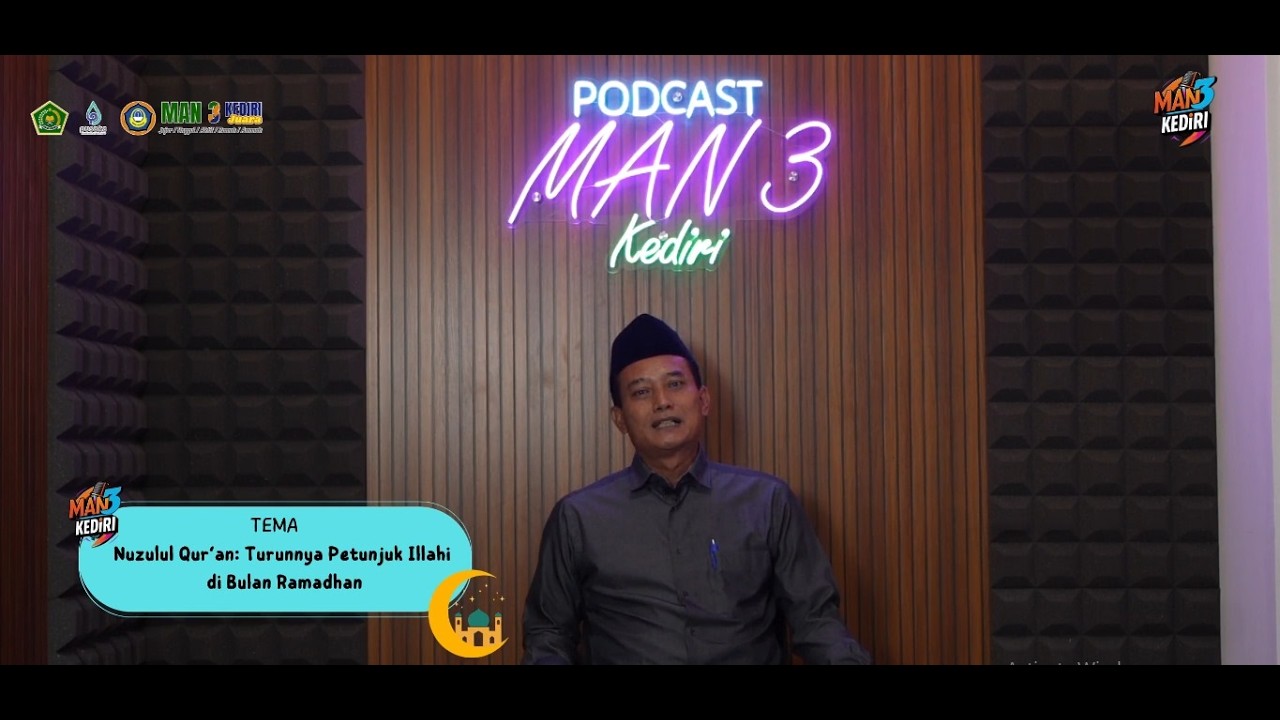
KULTUM CAHAYA ILAHI EP.7 - Drs.H.Abdullah Rosyad, M.Pd.I

KULTUM CAHAYA ISLAMI EP.3 - KH. Aburrosyad, S.Pd.I

KULTUM CAHAYA ISLAMI EP. 12 - Hj. Dewi Maria Ulfa, S.T (Wakil Bupati Kediri)
5.0 / 5 (0 votes)

