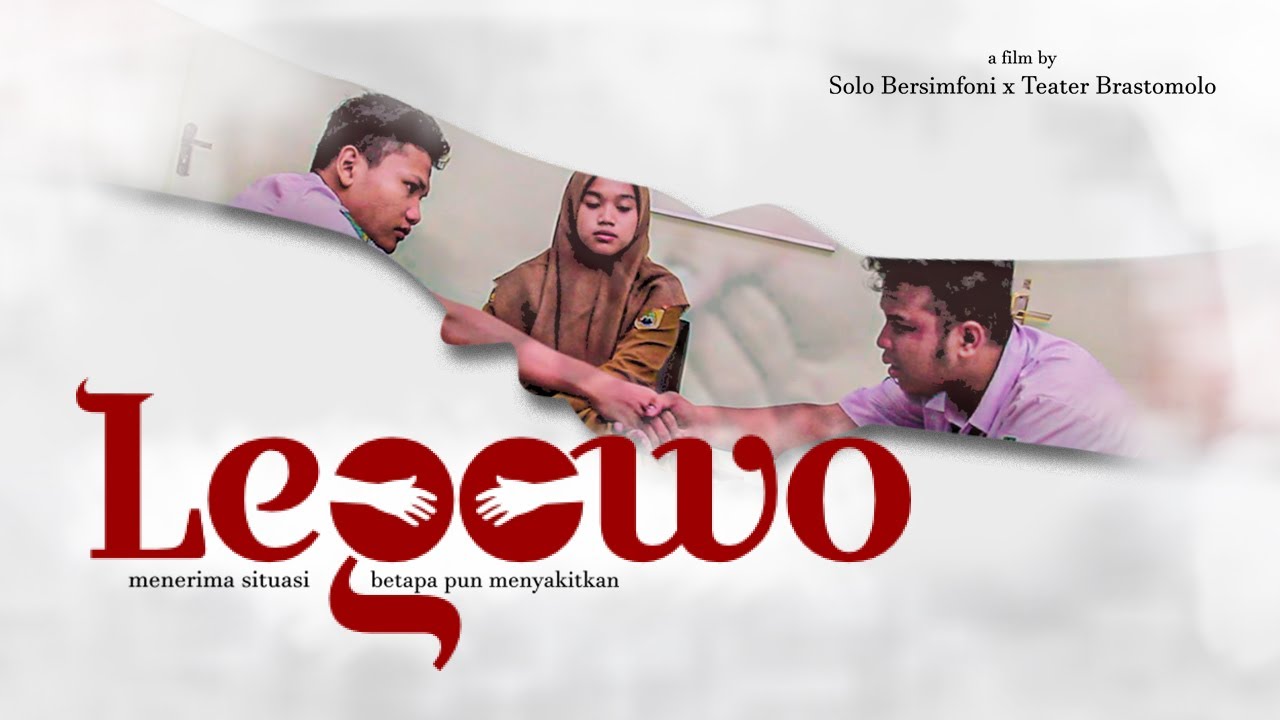
LEMBAGA SOSIAL (THE MOVIE) | SOSIOLOGI | KELAS X.12 | 2024
Summary
TLDRThe transcript captures a day in the life of a family and school setting, showcasing interactions between parents and children, school activities, and discussions on values. It highlights a mother and father’s dialogue on family responsibilities, the father’s advice about education and hard work, and a school lesson on social institutions. The script also touches on students' social life, including peer interactions, study routines, and a controversial situation involving election bribery. The final part reflects moral discussions about integrity, charity, and adhering to ethical standards during a student election.
Takeaways
- 😀 The interaction starts with casual family conversations, including breakfast and family chores.
- 😀 A mother discusses the importance of education with her child, emphasizing the need to study well and avoid distractions.
- 😀 The child leaves for school while the parents continue to discuss financial matters, specifically about money for books.
- 😀 The teacher conducts a lesson on social institutions, explaining the functions and types of social institutions like family, religion, education, economics, and politics.
- 😀 Students are reminded about upcoming school exams and encouraged to study independently.
- 😀 A brief break between classes is mentioned, where students chat about food and schoolwork.
- 😀 There is a reference to an election campaign at the school, where candidates present their vision and mission to the students.
- 😀 During the campaign announcement, students are warned against voting dishonestly and encouraged to respect the process.
- 😀 Later, the class is informed about changes to the exam schedule due to a teacher’s absence, and the students are asked to complete assignments during their free time.
- 😀 At the end of the day, the students are reminded to pray before leaving school and to make sure they take all their belongings.
- 😀 A controversial discussion arises around a bribe being offered during the election campaign, where students debate whether accepting the money is morally right or wrong, leading to the conclusion that it should be returned.
Q & A
What does the conversation about 'Kopi Batak' symbolize in the context of daily life?
-The mention of 'Kopi Batak' reflects a culturally rich tradition, emphasizing the importance of coffee in daily life and perhaps signaling a sense of comfort and familiarity in routine family activities.
How does the conversation between the family members about money and education reflect family values?
-The exchange highlights the family's emphasis on education, financial responsibility, and instilling values like gratitude and perseverance. The parents stress the importance of studying hard and not being swayed by external negativity, offering life lessons on responsibility.
What is the significance of the statement 'jangan dengarkan Bulian dan sajian'?
-This statement encourages resilience in the face of bullying or negative opinions. It advises the child to use criticism as motivation for improvement rather than letting it discourage them.
What role does the teacher play in the classroom scene?
-The teacher guides the students through the lesson on social institutions, explaining the importance of these institutions in society and how they function, especially the roles of family, religion, education, economy, and politics.
Why is the issue of a book payment raised in the dialogue?
-The issue of book payment reflects financial struggles in the family, as well as the parental duty to ensure their child's education is supported despite limited resources.
How does the dialogue show the theme of social responsibility and community?
-The dialogue touches on social responsibility, both in terms of community involvement (e.g., school social events like elections) and individual actions (like encouraging proper behavior and decision-making). The emphasis on social norms reflects the importance of collective well-being.
What lesson is conveyed through the conflict about accepting money from political candidates?
-The conflict highlights the ethical dilemma of accepting money for voting in school elections. It introduces the concept of moral integrity and the importance of making fair, unbiased decisions. Ultimately, the students choose to return the money and uphold their values.
What message does the teacher convey when they say, 'Selamat Siang anak-anak'?
-The teacher's greeting, 'Selamat Siang anak-anak' ('Good afternoon, children'), sets a tone of respect and warmth, fostering an environment conducive to learning and open communication.
How is the theme of discipline emphasized throughout the transcript?
-Discipline is emphasized through the structured classroom environment, the clear rules about elections, and the parent's insistence on studying and following societal norms. The dialogue about the importance of being honest and adhering to rules further reinforces this theme.
What role does humor play in the interactions, particularly in the moments with the children?
-Humor is used to lighten the mood, especially in moments when the children discuss trivial things like food or money. It serves as a way for characters to bond, making the narrative more relatable and illustrating how humor can diffuse tension in everyday life.
Outlines

此内容仅限付费用户访问。 请升级后访问。
立即升级Mindmap

此内容仅限付费用户访问。 请升级后访问。
立即升级Keywords

此内容仅限付费用户访问。 请升级后访问。
立即升级Highlights

此内容仅限付费用户访问。 请升级后访问。
立即升级Transcripts

此内容仅限付费用户访问。 请升级后访问。
立即升级




5.0 / 5 (0 votes)

