Mata Kuliah Ekonomi Internasional TM 1
Summary
TLDRThis introductory lecture outlines the scope and objectives of an International Economics course, highlighting its 16-session structure and key themes, from trade policy and balance of payments to exchange rates and multinational corporations. Special emphasis is placed on Islamic perspectives in global trade, including ethics, free markets, and hedging. The lecturer connects macroeconomic stability—such as inflation, interest rates, and growth—to global competitiveness and resilience amid trade tensions. Indonesia’s strategic role in the global economy is underscored through its membership in , , and , while referencing projections from the and the , positioning as an increasingly influential economic player.
Takeaways
- 😀 Introduction to the course 'International Economics', carrying 2 credits and co-taught by the lecturer and Mr. Faiz Andas Fawas.
- 😀 The course will consist of 16 sessions, covering 14 key topics related to international economics.
- 😀 Key topics include international trade policies, protectionism, multinational corporations, balance of payments, and Islamic views on global trade.
- 😀 The course will explore the concept of free markets and hedging from an Islamic economic perspective.
- 😀 Students will learn about currency exchange systems, Islamic economic organizations, and ethical considerations in global trade.
- 😀 Additional reading materials include books on the halal industry, legal references on international trade, and academic papers on macroeconomics.
- 😀 Students are expected to understand the basics of macroeconomics and its relevance to international economics.
- 😀 The importance of Indonesia’s position in the global economy will be explored, focusing on both global and regional perspectives.
- 😀 In 2024, global GDP is projected to reach $22,139 trillion, with Indonesia ranked 16th by nominal GDP.
- 😀 Indonesia is a member of the G20 and will join BRICS in 2025, further strengthening its position in the global economy.
- 😀 The lecturer encourages students to engage with the provided resources and upcoming topics, emphasizing the interconnectedness of domestic and global economics.
Q & A
What is the main focus of the International Economics course?
-The main focus of the International Economics course is to explore various aspects of international trade, economic policies, and how global economics interacts with Islamic principles. Topics include international trade policies, multinational companies, exchange rates, and Islamic views on trade.
How many meetings are scheduled for the International Economics course?
-The course will consist of approximately 16 meetings throughout the semester.
What are some of the key topics covered in the International Economics course?
-Key topics include the urgency of international economics, trade policies, non-tariff trade barriers, protectionism, multinational companies, balance of payments, and the Islamic perspective on international trade, among others.
What resources are recommended for the International Economics course?
-Students are encouraged to read books related to halal industries and international economics, along with relevant legislation, and academic research from the course instructors.
What is expected of students by the end of the first session?
-By the end of the first session, students are expected to be able to explain the basic concepts of macroeconomics and international economics, as well as understand their importance in the global economy.
How does macroeconomics contribute to the global economy?
-Macroeconomics plays a vital role in maintaining price stability, financial stability, and driving inclusive growth. It helps manage global economic shocks and guides policy to stabilize inflation, interest rates, and exchange rates.
What are some of the key global economic indicators mentioned in the lecture?
-Key indicators include inflation rates, interest rates, GDP (Gross Domestic Product), trade volumes, and the perceptions of risk by investors, all of which influence international economic activity.
How does inflation impact the international economy?
-Inflation affects global trade by influencing purchasing power, investment decisions, and currency stability. Low, controlled inflation can help maintain stable exchange rates and encourage economic growth.
What is the significance of Indonesia in the global economy, as discussed in the lecture?
-Indonesia plays a significant role in the global economy, ranking among the top 20 economies globally. It is part of the G20 and, by 2025, will be a member of BRICS, which strengthens its economic influence, especially within ASEAN.
What is the projected global economic growth for 2025-2026 according to the IMF and the World Bank?
-The IMF projects global economic growth to be between 3% and 3.3% in 2025. The World Bank highlights risks from trade tensions and rising tariffs, which could impact this growth.
Outlines

此内容仅限付费用户访问。 请升级后访问。
立即升级Mindmap

此内容仅限付费用户访问。 请升级后访问。
立即升级Keywords

此内容仅限付费用户访问。 请升级后访问。
立即升级Highlights

此内容仅限付费用户访问。 请升级后访问。
立即升级Transcripts

此内容仅限付费用户访问。 请升级后访问。
立即升级浏览更多相关视频

Ekonomi Internasional - 1 - Definisi & Ruang Lingkup

International Political Economy, Explained

What is International Economics? | IB International Economics Explained | IB International Economics

Ekonomi Internasional Nilai Tukar
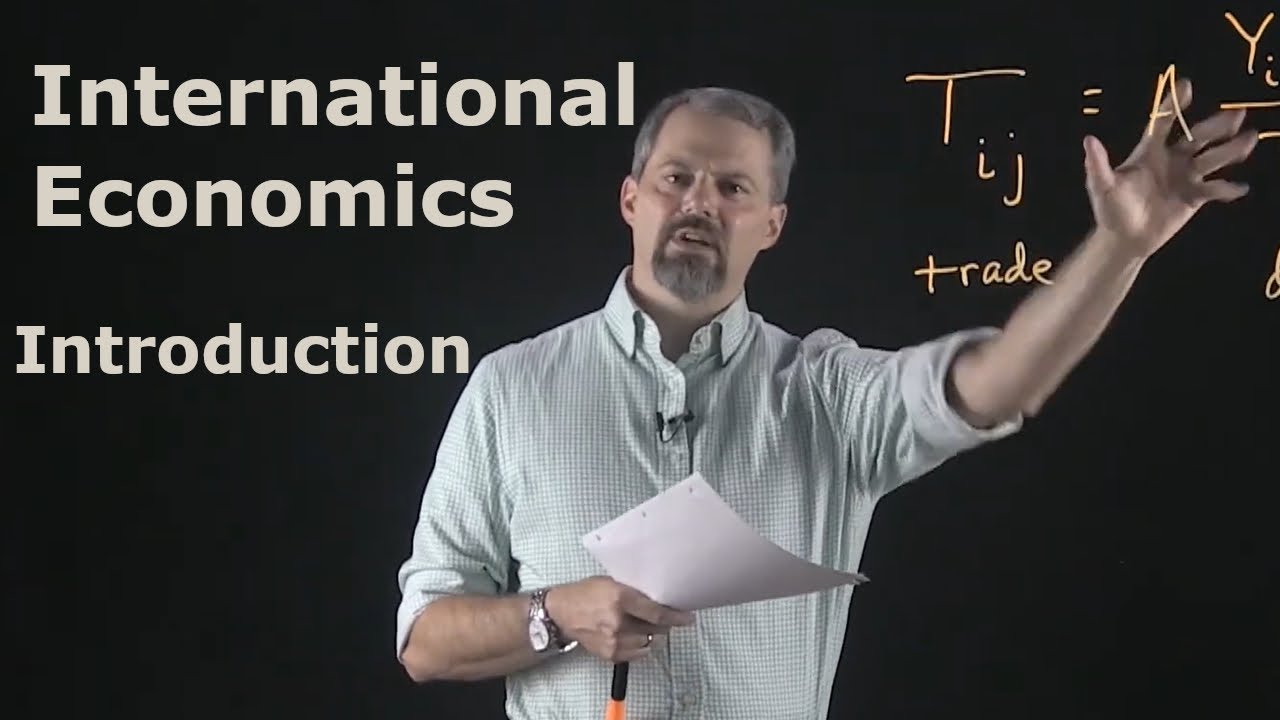
International Economics: Introduction to International Economics and the Gravity Model

NERACA PERDAGANGAN DAN NERACA PEMBAYARAN
5.0 / 5 (0 votes)

