Hakikat Pendidikan IPS
Summary
TLDRThis lecture focuses on the essence of Social Science Education (IPS) in Indonesia, exploring its interdisciplinary nature by integrating subjects such as anthropology, history, geography, and economics. It discusses the development of IPS education in Indonesia from its early conceptualization in 1935 to its various curriculum implementations in schools. Key aspects include the purpose of IPS in fostering social awareness, critical thinking, and problem-solving abilities in students. The lecture also delves into the foundational ideologies, objectives, and methodologies behind IPS education, highlighting its dynamic, evolving nature in responding to societal needs.
Takeaways
- 😀 IPS (Social Science Education) is an interdisciplinary field that integrates various branches of social sciences, including anthropology, psychology, history, geography, economics, political science, and ecology, to foster educational development in schools.
- 😀 The main purpose of IPS is to develop students' awareness and concern for their community and environment, promoting active citizenship and social responsibility.
- 😀 The concept of IPS in Indonesia has evolved since the 1930s, influenced by national thinkers like K.H. Ahmad Dahlan and the establishment of social science education seminars in the 1970s.
- 😀 In the early stages, IPS in Indonesia was closely linked to citizenship education, emphasizing social studies and knowledge on Indonesian history, geography, and governance.
- 😀 The curriculum for IPS education in Indonesia has evolved, from integration with other subjects in the 1972-1973 curriculum to a more specialized approach in the 1994 curriculum and beyond.
- 😀 IPS education aims to develop critical thinking, logical reasoning, and problem-solving skills in students, allowing them to address social issues creatively and effectively.
- 😀 The curriculum has seen a shift from teaching IPS as separate subjects (geography, history, etc.) to an integrated and thematic approach, especially in recent years under the 2013 curriculum.
- 😀 The educational philosophy of IPS is based on several foundations: sociological, philosophical, ideological, anthropological, humanistic, political, psychological, and religious, which guide its development.
- 😀 One key goal of IPS education is to help students understand and apply social science concepts to real-life social contexts, fostering a better understanding of societal dynamics.
- 😀 The characteristics of IPS include its focus on real-world events, its interdisciplinary nature, its emphasis on active student participation, and its dynamic approach that adapts to societal changes.
Q & A
What is the primary focus of IPS education as discussed in the script?
-The primary focus of IPS (Ilmu Pengetahuan Sosial) education is to integrate various branches of social sciences, such as sociology, economics, geography, and political science, in a way that is simplified and adapted for different educational levels (SD, SMP, SMA). The goal is to foster an understanding of social issues, citizenship, and critical thinking skills among students.
What are the key disciplines that make up IPS, according to the script?
-IPS is an integration of several social science disciplines, including anthropology, psychology, history, geography, economics, political science, and ecology. These subjects are simplified and presented in an interdisciplinary approach for educational purposes.
What is the significance of the term 'interdisciplinary approach' in IPS education?
-An 'interdisciplinary approach' in IPS refers to combining multiple social science disciplines into one subject. This approach enables students to understand complex social phenomena from various perspectives and enhances their ability to apply knowledge in real-life situations.
How has the curriculum of IPS evolved over the years in Indonesia?
-The IPS curriculum in Indonesia has evolved from a concept influenced by national thinkers like K.H. Dewantara in 1935, moving through several curriculum phases (such as Kurikulum 1972, 1984, 1994, and 2013). These changes reflect a shift in how IPS is taught, from integrated social studies to subject-specific disciplines, and later to a more thematic, integrated approach under the 2013 curriculum.
What role does the concept of 'Pendidikan Kewarganegaraan' play in IPS education?
-Pendidikan Kewarganegaraan (Citizenship Education) is often integrated into the IPS curriculum, particularly in secondary education. It emphasizes students' roles and responsibilities as citizens, promoting an understanding of national values, rights, and duties in society.
What are the philosophical foundations of IPS as outlined in the script?
-The philosophical foundations of IPS include determining the objectives of social studies education and defining the central topics and dimensions to be developed. It guides the structure and content of IPS education, ensuring it aligns with both educational goals and societal needs.
What are the sociological and psychological bases for IPS education?
-Sociologically, IPS helps shape students' understanding of societal interactions and cultural norms, while psychologically, it focuses on cognitive development, helping students acquire critical thinking, problem-solving, and decision-making skills relevant to social contexts.
What is the importance of the 'landasan politik' (political foundation) in IPS?
-The political foundation in IPS ensures that the curriculum aligns with national policies and political ideologies, fostering an understanding of how political systems and governance affect society. It helps students develop political awareness and responsibility.
How are the goals of IPS education related to social awareness and problem-solving?
-The goals of IPS education include fostering awareness and concern for social and environmental issues, developing logical and critical thinking skills, and encouraging students to actively participate in solving societal problems. This is done by addressing real-life issues, fostering empathy, and teaching students to apply concepts in practical ways.
What are the key characteristics of IPS education as mentioned in the script?
-Key characteristics of IPS education include: 1) It is based on factual social events, 2) It is comprehensive and integrates various social sciences, 3) It emphasizes active participation and critical thinking, 4) It can be analyzed from multiple disciplinary perspectives, 5) It is directly applicable to real-life social situations, and 6) It is dynamic, reflecting ongoing social changes.
Outlines

此内容仅限付费用户访问。 请升级后访问。
立即升级Mindmap

此内容仅限付费用户访问。 请升级后访问。
立即升级Keywords

此内容仅限付费用户访问。 请升级后访问。
立即升级Highlights

此内容仅限付费用户访问。 请升级后访问。
立即升级Transcripts

此内容仅限付费用户访问。 请升级后访问。
立即升级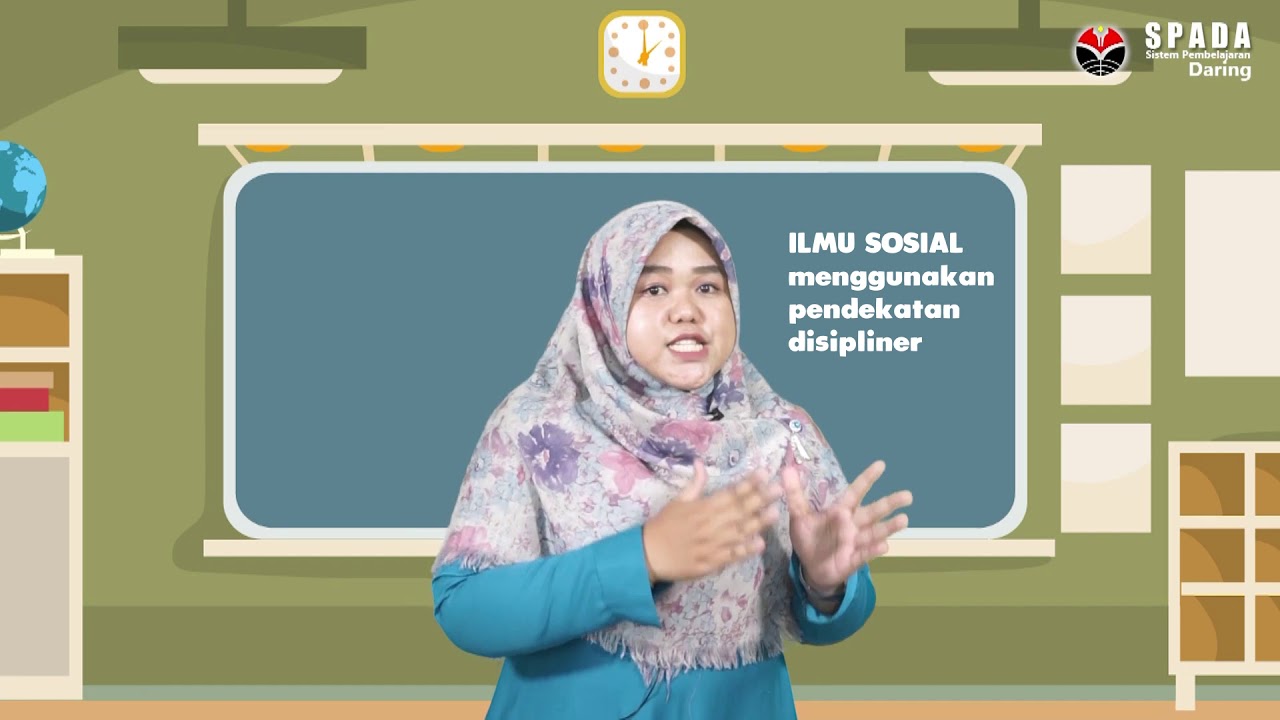





5.0 / 5 (0 votes)

