PANCANITI | Niti bukti - Niti Bakti Hubungan secara makna dengan Syari'at Islam
Summary
TLDRThis transcript delves into the five stages of spiritual growth in Islam, known as Panciti, with a focus on two key stages: Niti Bukti (the stage of proof) and Niti Bakti (the stage of devotion). The speaker explains how these stages relate to the development of faith (Iman), submission (Islam), and excellence (Ihsan). Through practical examples like prayer, charity, fasting, and pilgrimage, the discourse highlights the importance of both understanding and consistent action in spiritual practice. It emphasizes the need for reflection, action, and dedication in aligning one's life with Islamic principles.
Takeaways
- 😀 The concept of 'Panciti' involves five levels: Niti Hati (Understanding), Niti Surti (Comprehension), Niti Bukti (Proof), Niti Bakti (Dedication), and Niti Sejati (True Discovery).
- 😀 Niti Bukti (Proof) focuses on testing and applying knowledge in real-life situations through action and experiments.
- 😀 Niti Bakti (Dedication) emphasizes consistently applying what has been learned, reflecting on it, and ensuring it benefits oneself, others, and the environment.
- 😀 The relationship between faith (Iman), Islam, and Ihsan is key in the process of personal and spiritual growth.
- 😀 Iman (faith) strengthens through reflection on the creation of the universe and the belief that Allah is the creator.
- 😀 Islam is defined as submitting oneself to the rules and guidance of Allah, and maintaining consistent practice of religious duties.
- 😀 Practicing Islam includes actions like prayer (Salat), zakat (almsgiving), fasting (Sawm), and pilgrimage (Hajj), all of which should be followed diligently.
- 😀 Keeping one's faith strong involves continuous reflection and practical implementation, such as maintaining regularity in prayers and charity.
- 😀 Purity in practice is emphasized, such as ensuring proper cleanliness (wudu) and avoiding forbidden actions in daily life.
- 😀 The importance of learning and implementing Islamic principles is linked to strengthening both the individual’s faith and the community.
- 😀 The ultimate goal is to nurture a life in accordance with Allah's teachings, which leads to personal peace and harmony with the world around us.
Q & A
What is the main topic of the script?
-The script focuses on discussing the 'Panciti' (five stages) related to faith, Islam, and Ihsan. Specifically, it addresses the third and fourth stages, 'Niti Bukti' (proof) and 'Niti Bakti' (devotion).
What are the five stages of 'Panciti' mentioned in the script?
-The five stages of 'Panciti' are: 1) Niti Hati (Understanding), 2) Niti Surti (Comprehension), 3) Niti Bukti (Proof), 4) Niti Bakti (Devotion), and 5) Niti Sejati (Truth).
How does 'Niti Bukti' relate to the process of learning?
-'Niti Bukti' involves proving what has been understood through real-life actions, literacy, and field experiments. After understanding and comprehending the theories, it's time to put them into practice and demonstrate the knowledge through actions.
What is 'Niti Bakti' and why is consistency important?
-'Niti Bakti' refers to the stage where the learned knowledge is implemented consistently to benefit oneself, others, and the environment. The key focus is on maintaining this practice continuously, reflecting, and improving it for further growth.
How do the stages of 'Panciti' relate to Islam and faith?
-The stages of 'Panciti' correspond to the practice of Islam and belief in God (Iman). For example, 'Niti Hati' and 'Niti Surti' are connected to strengthening one’s faith and understanding of Allah, while 'Niti Bukti' and 'Niti Bakti' are about acting on and preserving these beliefs through consistent actions.
What is the connection between the practice of 'Salat' and the stages of 'Panciti'?
-Salat (prayer) is a key example in the script where after understanding and comprehending its importance (Niti Hati and Niti Surti), the individual then practices it consistently (Niti Bakti) and reflects on improving it (Niti Bukti). This is how the stages apply to religious practice.
How does 'Niti Bukti' involve testing and experimentation?
-'Niti Bukti' involves testing and experimenting with the knowledge gained. For instance, applying learned theories in real situations, like growing plants, is a way to validate the knowledge and assess if it works in practice.
What is the significance of reflecting in 'Niti Bakti'?
-Reflection in 'Niti Bakti' is essential because it allows the individual to identify areas for improvement and continuously refine their practices to ensure their actions are consistently beneficial and aligned with their values.
How does 'Niti Bukti' and 'Niti Bakti' strengthen an individual’s commitment to Islam?
-'Niti Bukti' and 'Niti Bakti' translate the theoretical understanding of Islam into practical actions. These stages make the individual not only aware of Islamic teachings but also ensure they actively live by them, thus reinforcing their commitment to Islam.
What role does faith play in the practice of Islam as described in the script?
-Faith (Iman) plays a foundational role in Islam as described in the script. It starts with recognizing Allah’s existence and gradually leads to following His commands through practices like prayer, charity, fasting, and more. These actions demonstrate one's belief and submission to Allah, which is the essence of Islam.
Outlines

此内容仅限付费用户访问。 请升级后访问。
立即升级Mindmap

此内容仅限付费用户访问。 请升级后访问。
立即升级Keywords

此内容仅限付费用户访问。 请升级后访问。
立即升级Highlights

此内容仅限付费用户访问。 请升级后访问。
立即升级Transcripts

此内容仅限付费用户访问。 请升级后访问。
立即升级浏览更多相关视频

PANCA NITI | NITI HARTI - SURTI HUBUNGANNYA DENGAN DASAR AQIDAH ISLAM

Panduan Pesantren Ekologi I Pelestarian Alam I Modul PAI SMA/SMK/SLB Jawa Barat

CATUR ASRAMA

Parineetii | On Location | Sanju Ko Neeti Ne Kiya Convince Aur Usne Mangi Maafi

Parineeti SERIAL UPDATE : Sanju ने Neeti और उसकी माँ की जम कर class ली
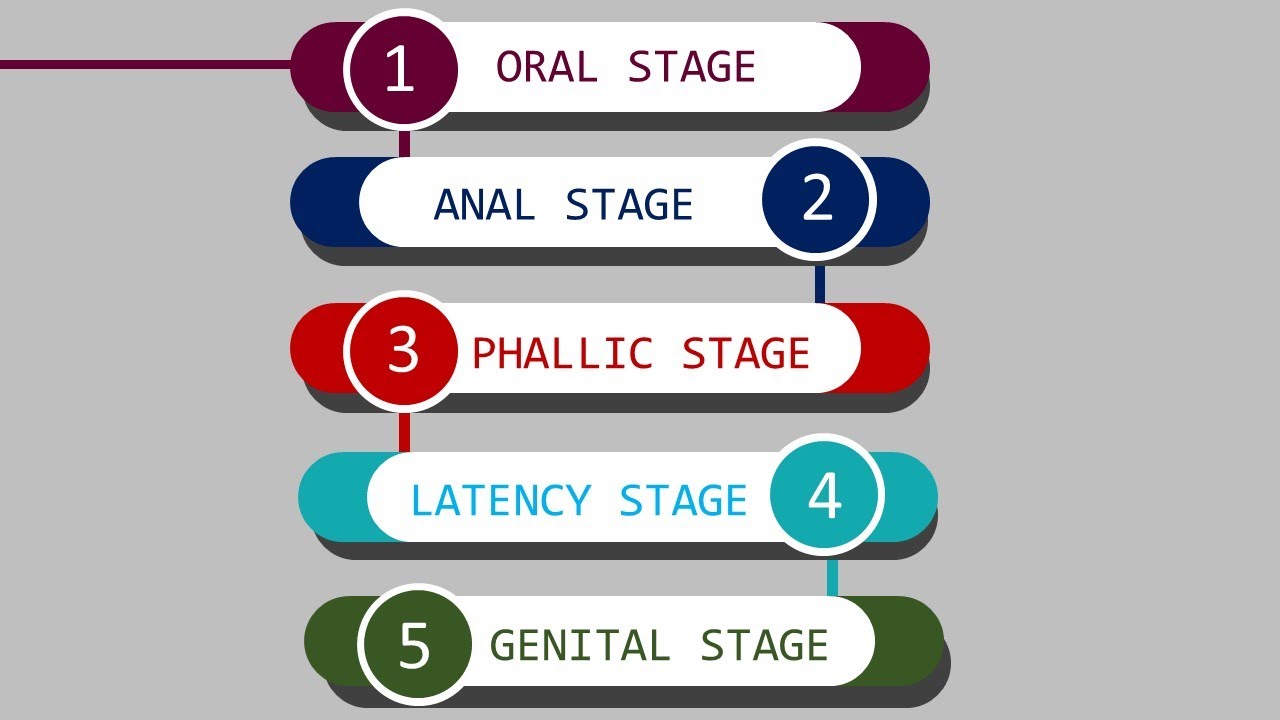
Sigmund Freud: Psychosexual Development Stages
5.0 / 5 (0 votes)

