Belajar Piramida Ekologi | Biologi kelas X SMA
Summary
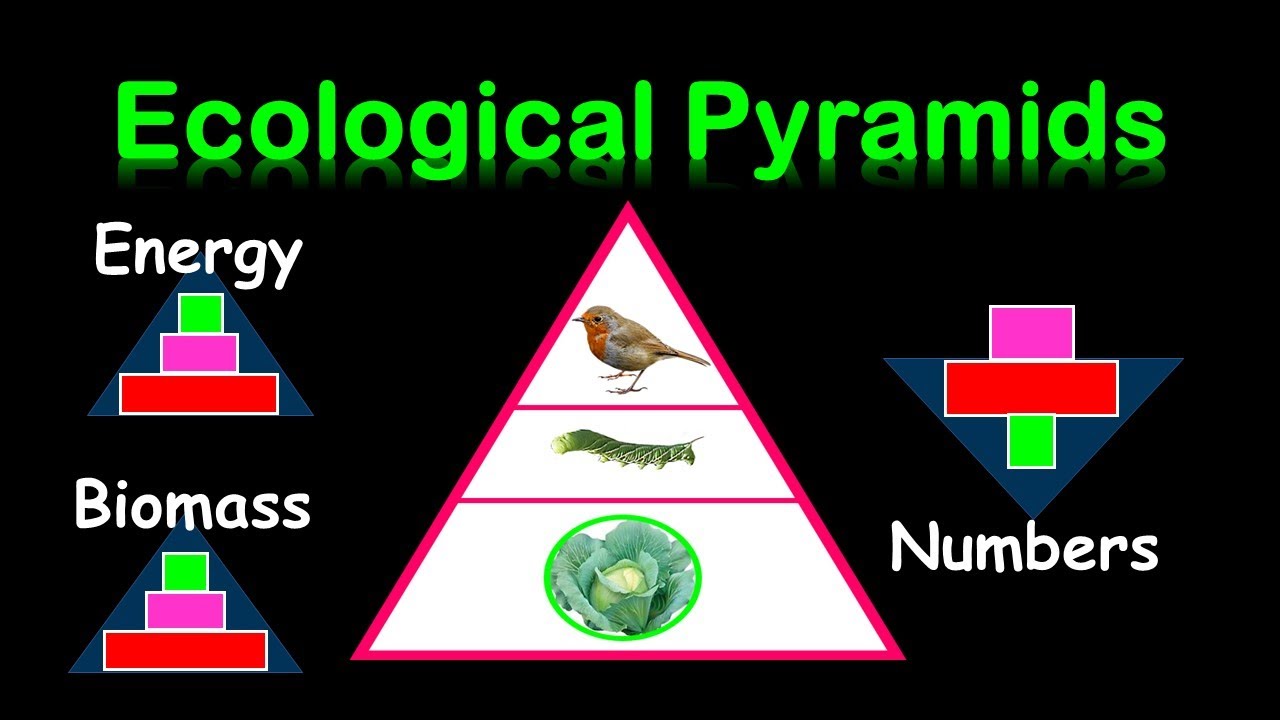
TLDRThis video provides an insightful explanation of the Ecological Pyramid, which illustrates the quantitative relationship between trophic levels in an ecosystem. It covers three types of pyramids: the pyramid of numbers, pyramid of biomass, and pyramid of energy. Each type is explained with its strengths and limitations, such as challenges in comparing ecosystems using the pyramid of numbers or the inverted shape of biomass pyramids in aquatic ecosystems. The video concludes by highlighting how the energy pyramid best represents energy flow within an ecosystem, offering a comprehensive understanding of ecological dynamics.
Takeaways
- 😀 The Ecological Pyramid is a diagram that shows the relationship between different trophic levels in an ecosystem.
- 😀 It consists of three types: the pyramid of numbers, biomass pyramid, and energy pyramid.
- 😀 The Pyramid of Numbers shows the number of individuals per square meter at each trophic level, such as 300,000 producers per m² at the first trophic level.
- 😀 One limitation of the Pyramid of Numbers is its difficulty in comparing different ecosystems or species with varying roles.
- 😀 The Pyramid of Biomass measures the dry mass of individuals (grams per m²) and helps show the quantitative relationship between organisms in an ecosystem.
- 😀 Biomass pyramid measurement involves drying organisms to a zero moisture content to obtain the dry weight.
- 😀 An issue with the Biomass Pyramid is that it can be inverted in aquatic ecosystems where producers like algae have a small biomass but a high number.
- 😀 The Energy Pyramid illustrates the flow of energy from one trophic level to the next, showing how energy is transferred and dissipated.
- 😀 The Energy Pyramid typically shows that only 10% of the energy from one trophic level is transferred to the next.
- 😀 Factors affecting energy transfer include how much food is captured, digestibility of food, and the energy used for organism growth and bodily functions.
- 😀 The Energy Pyramid provides the most accurate representation of energy flow in an ecosystem, unlike the Pyramid of Biomass, which can be less informative.
Q & A
What is an ecological pyramid?
-An ecological pyramid is a diagram that depicts the quantitative relationships between different trophic levels in an ecosystem, illustrating the flow of energy or biomass.
What are the three types of ecological pyramids mentioned in the script?
-The three types of ecological pyramids mentioned are the pyramid of numbers, pyramid of biomass, and pyramid of energy.
How is the pyramid of numbers measured?
-The pyramid of numbers is measured in terms of the number of individuals per square meter (individuals/m²) within each trophic level.
What are the limitations of the pyramid of numbers?
-The pyramid of numbers has limitations in comparing ecosystems, especially when the organisms at the same trophic level vary significantly in size. It also becomes less informative when comparing organisms of different types, such as algae vs. trees or large animals vs. small herbivores.
What is the pyramid of biomass and how is it measured?
-The pyramid of biomass measures the dry weight of organisms at each trophic level, typically in grams of dry weight per square meter (g/m²). This includes measuring the biomass of plants, herbivores, and carnivores.
What are some advantages and disadvantages of the pyramid of biomass?
-Advantages include providing a quantitative relationship of the mass of organisms in an ecosystem. However, it can be misleading in aquatic ecosystems, where the biomass of producers like algae is low compared to higher trophic levels, causing the pyramid to appear inverted.
What causes the pyramid of biomass to be inverted in aquatic ecosystems?
-In aquatic ecosystems, the biomass pyramid can appear inverted because the biomass of producers like algae and phytoplankton is low compared to the biomass of primary consumers such as small fish and shrimp.
What is the pyramid of energy and how is it measured?
-The pyramid of energy shows the flow of energy through each trophic level, measured in kilocalories per square meter per day (kcal/m²/day). It quantifies how much energy is transferred from one trophic level to the next.
Why is the energy transfer between trophic levels not 100% efficient?
-Energy transfer between trophic levels is not 100% efficient because some energy is lost as heat, some food is not consumed, some is undigested and excreted as waste, and not all consumed food is converted into body mass.
What is the significance of the 10% energy transfer rule mentioned in the pyramid of energy?
-The 10% energy transfer rule indicates that, on average, only about 10% of the energy from one trophic level is transferred to the next. This results in a significant decrease in available energy as you move up each trophic level.
Outlines

此内容仅限付费用户访问。 请升级后访问。
立即升级Mindmap

此内容仅限付费用户访问。 请升级后访问。
立即升级Keywords

此内容仅限付费用户访问。 请升级后访问。
立即升级Highlights

此内容仅限付费用户访问。 请升级后访问。
立即升级Transcripts

此内容仅限付费用户访问。 请升级后访问。
立即升级



5.0 / 5 (0 votes)

