SEJARAH BATIK - MAHAKARYA BUDAYA ASLI INDONESIA
Summary
TLDRThis video explores the rich history and cultural significance of batik in Indonesia. It explains that the word batik comes from the Javanese terms meaning “to write” and “dot,” reflecting its intricate design process. Originating as early as the 17th century, batik evolved through the eras of powerful kingdoms such as Majapahit, Mataram, and Demak, becoming a symbol of cultural identity and social status. The script highlights the development of batik techniques—from traditional hand-drawn batik tulis to stamped batik cap and modern batik printing. Recognized by UNESCO in 2009 as an Intangible Cultural Heritage, batik remains a treasured representation of Indonesia’s artistic and spiritual heritage.
Takeaways
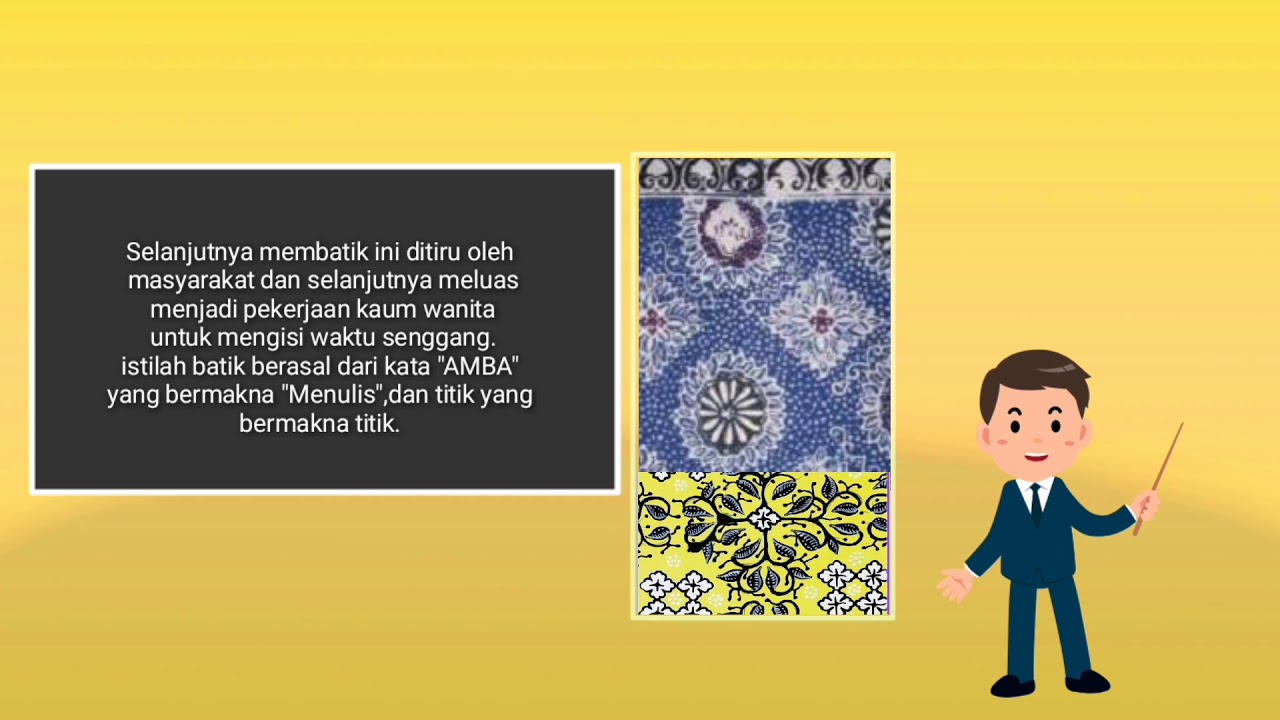
- 😀 Batik originates from the combination of two words: 'Ambah' meaning to write and 'tik' meaning dot.
- 😀 Batik history dates back to the 17th century in Indonesia, initially written on lontar leaves and wooden boards in Javanese traditional houses.
- 😀 The motifs of batik began with plants and animals, later expanding to abstract designs, temples, clouds, and wayang during the Majapahit era.
- 😀 Batik became a cultural symbol under the Mataram, Majapahit, and Demak kingdoms in Indonesia.
- 😀 Early batik dyes were made from plants and mud, later evolving to wax-based coloring (malam).
- 😀 There are three primary batik techniques: written (tulis), stamped (cap), and printing.
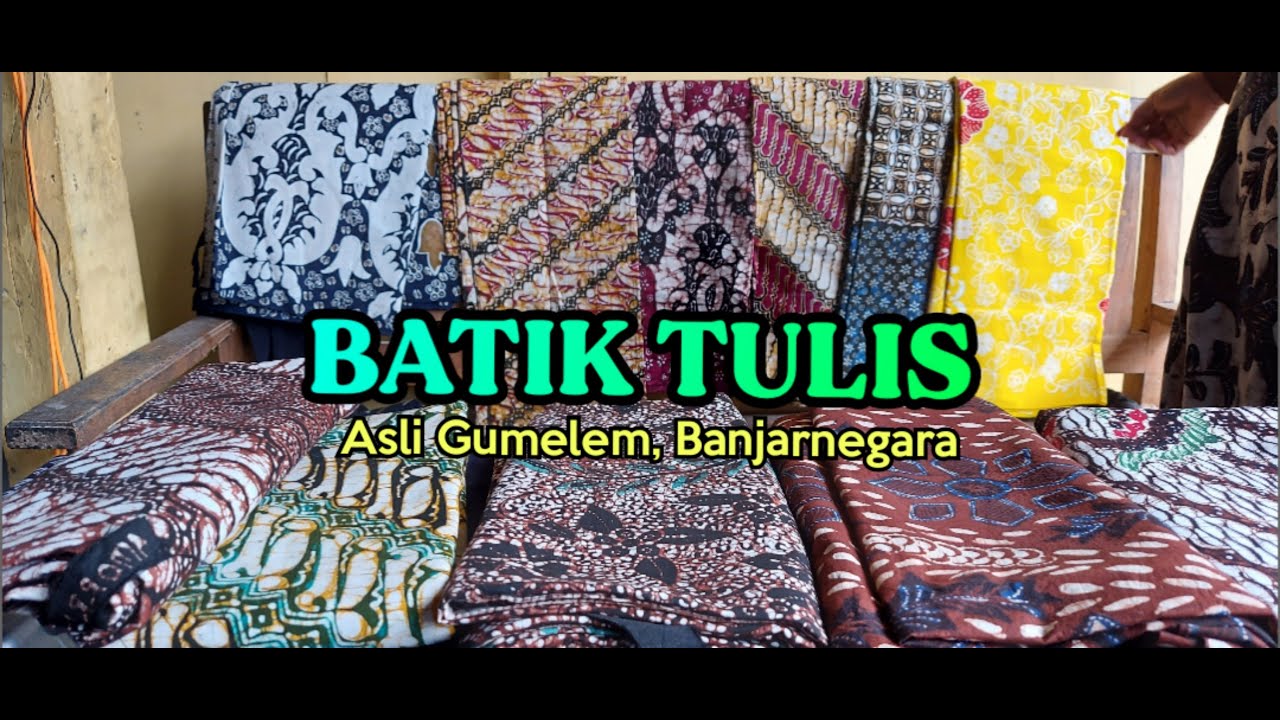
- 😀 Batik tulis, the most traditional and expensive technique, involves hand-drawing designs with a canting (a small spouted tool).
- 😀 In the 19th century, the cap technique using copper stamps was introduced, making batik production faster and more efficient.
- 😀 With industrialization and globalization in the 1970s, batik printing emerged, allowing for cheaper and mass production.
- 😀 Batik is not only used for clothing but also for accessories such as bags, shoes, and ties.
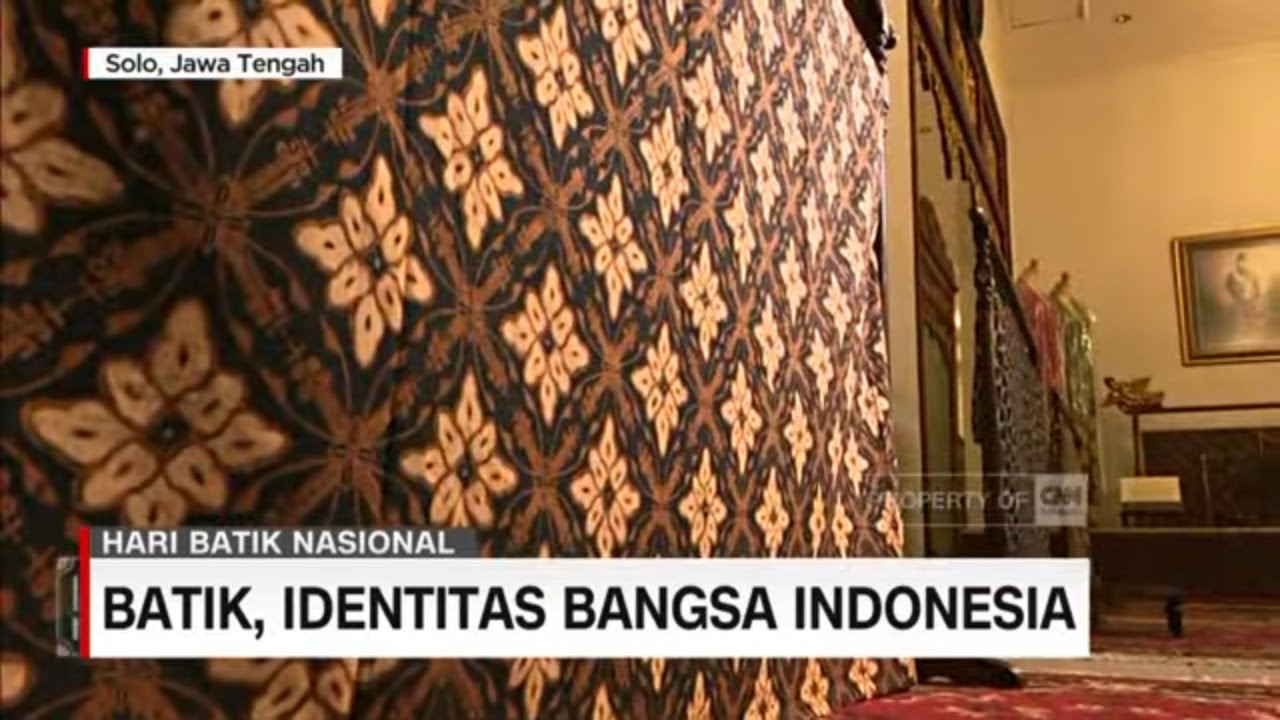
- 😀 On October 2, 2009, UNESCO recognized Indonesian batik as an Intangible Cultural Heritage, and the day is now celebrated as National Batik Day.
Q & A
What is the origin of the word 'batik'?
-The word 'batik' comes from the combination of two words: 'ambah' which means to write, and 'tik', which is derived from the word 'titik', meaning dot.
When did batik first appear in Indonesia?
-Batik began to appear in Indonesia around the 17th century, originally being written on lontar leaves and wooden boards used in traditional Javanese houses.
What were the early motifs of batik?
-The early motifs of batik were primarily based on plants and animals.
How did the development of batik evolve during the Majapahit Kingdom?
-During the Majapahit Kingdom, the motifs of batik became more varied, incorporating abstract patterns, temples (Candi), clouds, wayang (puppet figures), and other elements.
What significance did batik hold for the kingdoms of Mataram, Majapahit, and Demak?
-Batik became a cultural symbol for the kingdoms of Mataram, Majapahit, and Demak, and was embraced by the ruling elites as a representation of cultural identity.
What were the early materials used in the batik-making process?
-Initially, batik was made using natural dyes from plants and mud, before evolving to use wax (malam) in the process.
What are the different techniques used in batik production?
-The main techniques used in batik production are 'tulis' (handwritten), 'cap' (stamp), and 'printing' techniques.
What is the significance of batik tulis, and why is it expensive?
-Batik tulis, or hand-written batik, is considered the most traditional and labor-intensive technique, requiring careful manual work with a canting (small tool) to apply wax. Its high price is due to the slow process and uniqueness of each piece.
What was the impact of the 19th century on batik production?
-In the mid-19th century, a new batik-making technique called 'cap' was introduced. It used stamps made from materials like copper and paper to speed up the production process, making batik more accessible and less expensive.
How did industrialization and globalization affect batik in the 1970s?
-With industrialization and globalization in the 1970s, batik printing (a more automated method) gained popularity due to its lower cost and ability to produce large quantities.
What cultural significance does batik hold today?
-Batik holds immense cultural value, symbolizing historical events, social status, language, culture, spirituality, technology, and the journey of civilization. It is used not only for clothing but also for accessories like bags, shoes, and ties.
When was batik officially recognized as an intangible cultural heritage by UNESCO?
-On October 2, 2009, UNESCO recognized Indonesian batik as an Intangible Cultural Heritage, and the Indonesian government declared October 2 as National Batik Day.
Outlines

此内容仅限付费用户访问。 请升级后访问。
立即升级Mindmap

此内容仅限付费用户访问。 请升级后访问。
立即升级Keywords

此内容仅限付费用户访问。 请升级后访问。
立即升级Highlights

此内容仅限付费用户访问。 请升级后访问。
立即升级Transcripts

此内容仅限付费用户访问。 请升级后访问。
立即升级


5.0 / 5 (0 votes)

