Il procedimento espropriativo: vincolo espropriativo e vincolo conformativo
Summary
TLDRThe video explains the legal distinctions between expropriative and conformative land use constraints in urban planning. Expropriative constraints involve public administration reserving land for future public works, limiting property owners' rights, but offering compensation for damages if extended. These constraints last 5 years, renewable, and if expired, the owner can request land requalification. In contrast, conformative constraints are permanent and limit land development for public goals without compensation. The video highlights the implications of both constraints, the rights of property owners, and the differences in how each type affects urban planning and land use.
Takeaways
- 😀 The expropriation procedure begins with the imposition of a pre-ordained constraint, which is essentially a reservation of a property by the public administration for a public work or utility.
- 😀 The expropriatory constraint significantly limits the property owner's rights, making it difficult to sell or develop the property, except for agricultural or recreational uses.
- 😀 The expropriation constraint lasts for a fixed duration of 5 years, after which the public administration must decide whether to proceed with the project. If no project is approved, the constraint expires.
- 😀 If the public administration decides to extend the expropriation constraint beyond the 5 years, it must justify the extension and provide compensation for the damage suffered by the owner.
- 😀 The compensation for the renewal of the expropriation constraint is not automatic. The property owner must prove the damage and often needs to go through legal proceedings to claim compensation.
- 😀 The public administration has an obligation to provide a detailed explanation when renewing the expropriation constraint, especially explaining why the public work was not completed in the initial 5-year period.
- 😀 If the expropriation constraint is not renewed, the area becomes a 'white zone,' which lacks urban development plans but can still be used for agricultural purposes or minimal construction.
- 😀 A 'white zone' gives the property owner the right to request the public administration to requalify the land in line with the surrounding urban context.
- 😀 Conformative constraints are different from expropriatory constraints in that they do not involve property seizure but focus on shaping the territory according to public planning vision.
- 😀 Conformative constraints have an indefinite duration and do not grant compensation to property owners, although they can limit construction in areas such as roadways, heritage sites, or protected zones.
Q & A
What is the primary distinction between expropriative and conformative land-use constraints in Italian law?
-Expropriative constraints involve the reservation of land by the public administration for a specific public project, with a time limit and potential compensation if the project does not proceed. Conformative constraints, on the other hand, are permanent restrictions that shape land use according to public planning needs, without compensation and without a time limit.
What happens if the public administration does not implement the public work within the five-year time limit of the expropriative constraint?
-If the public administration fails to implement the project within five years, the expropriative constraint expires, and the property owner is no longer subject to the restriction. The property may also be reclassified as 'Zona Bianca,' allowing the owner to request requalification for urban development.
What is the compensation process for a property owner when the public administration renews an expropriative constraint?
-When the public administration renews an expropriative constraint, the property owner is entitled to compensation. However, the owner must prove the damage caused by the renewal, often requiring legal action to quantify the loss.
How long can an expropriative constraint last, and can it be extended?
-An expropriative constraint typically lasts for five years. It can be extended if the public administration deems it necessary to continue with the project, but the extension requires compensation for the property owner.
What happens to the property if an expropriative constraint expires without renewal or project initiation?
-If the expropriative constraint expires and is not renewed or the project is not initiated, the property returns to 'Zona Bianca,' a category where the owner can use it for agricultural purposes or request urban requalification based on the surrounding area's context.
What does 'Zona Bianca' mean in the context of urban planning?
-'Zona Bianca' refers to an area that has no specific urban planning designation, typically after an expropriative constraint expires. In this zone, minimal construction is allowed, and property owners may request urban requalification if the surrounding area has a more developed status.
What is the main characteristic of conformative constraints compared to expropriative ones?
-Conformative constraints are indefinite and do not provide compensation to the property owner. These constraints primarily serve to guide urban development and limit land use according to the public administration's planning, such as for environmental or architectural protections.
Can conformative constraints be subject to compensation or time limits?
-No, conformative constraints are permanent and do not provide any form of compensation to the property owner. They also do not have a time limit, unlike expropriative constraints.
Can the owner of land subject to a conformative constraint still develop the property?
-Yes, the owner can still develop the land, but the development must conform to the restrictions imposed by the public administration, which may include environmental protections, architectural guidelines, or other territorial planning needs.
How does the public administration decide between applying an expropriative constraint versus a conformative one?
-The decision is based on the intended use of the land. If the public administration requires exclusive use for a public project, it applies an expropriative constraint. If the land is part of broader urban planning goals, such as conservation or infrastructure, a conformative constraint is imposed.
Outlines

此内容仅限付费用户访问。 请升级后访问。
立即升级Mindmap

此内容仅限付费用户访问。 请升级后访问。
立即升级Keywords

此内容仅限付费用户访问。 请升级后访问。
立即升级Highlights

此内容仅限付费用户访问。 请升级后访问。
立即升级Transcripts

此内容仅限付费用户访问。 请升级后访问。
立即升级浏览更多相关视频

GEO XII. 1. Konsep Wilayah & Tata Ruang

RTBL | PENGENALAN RTBL SEBAGAI ALAT PENGENDALIAN BANGUNAN GEDUNG DAN LINGKUNGAN

Tata Guna Lahan Perkotaan (Urban Planning)
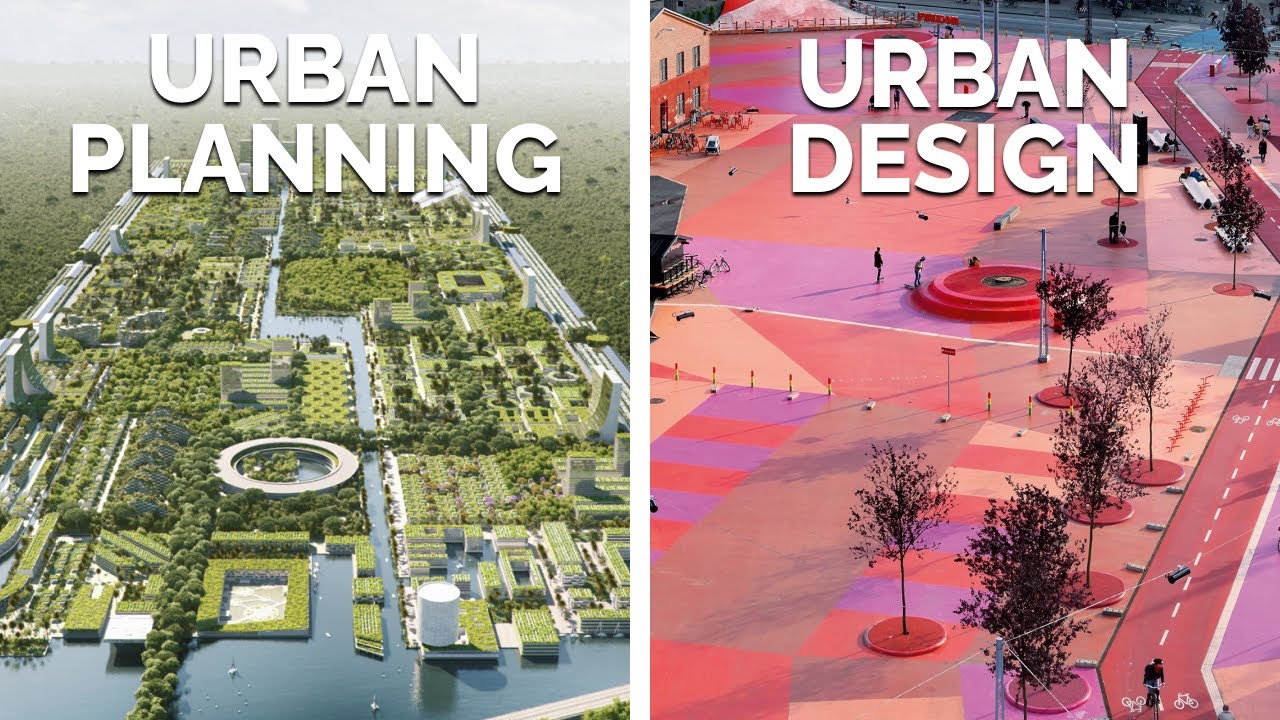
The difference between Urban Planning and Urban Design explained in 100 seconds

Urban Density and Land Use Patterns [AP Human Geography Unit 6 Topic 6]

NSPK DALAM PRAKTEK PERENCANAAN WILAYAH DAN KOTA (PWK)
5.0 / 5 (0 votes)

