Introduction to Marine Energy
Summary
TLDRMarine energy, derived from ocean waves, tides, and currents, offers a vast potential for clean energy generation, especially along the U.S. coastline. Technologies like wave and tidal energy devices are still in early stages of development, but they hold promise for reliable, renewable power. Researchers at the National Renewable Energy Laboratory (NREL) are actively advancing these technologies through modeling, lab testing, and real-world validation. Challenges remain, including high costs and environmental impact concerns, but as the field evolves, marine energy could play a critical role in the future of sustainable energy.
Takeaways
- 😀 Marine energy harnesses clean power from ocean waves, tides, currents, and rivers.
- 😀 The movement of water, including ocean waves, creates vast amounts of kinetic energy that can be converted into electricity.
- 😀 Marine energy is a promising renewable energy source with unique potential for different regions of the U.S.
- 😀 Marine energy technologies include devices like point absorbers, tidal turbines, and ocean current turbines.
- 😀 Wave energy is abundant along the entire U.S. coastline, particularly on the West Coast.
- 😀 Tidal energy operates similarly to underwater wind turbines, using moving water to generate power.
- 😀 Marine energy complements other renewable sources by providing power during different times of the year and day.
- 😀 NREL (National Renewable Energy Laboratory) plays a vital role in marine energy research, providing expertise in modeling, testing, and validation.
- 😀 Marine energy technologies are still in the early stages, with wave energy still testing single devices while tidal energy is further along.
- 😀 One challenge in marine energy is reducing the costs associated with building, operating, and maintaining devices in the ocean environment.
- 😀 NREL is working on lowering costs and minimizing environmental impacts while advancing marine energy technologies.
Q & A
What is marine energy?
-Marine energy is a type of renewable energy derived from the movement of water, including waves, tides, ocean currents, free-flowing rivers, and manmade channels. It harnesses the kinetic energy from moving water to generate electricity.
Why is marine energy considered a promising renewable resource?
-Marine energy is promising due to its immense resource potential, particularly along coastlines. It is forecastable and predictable, meaning we can anticipate when and where energy will be generated, which helps integrate it into energy grids. It also complements other renewable sources by providing energy at different times of the year and day.
What are some key types of marine energy technologies?
-Key types of marine energy technologies include point absorbers (wave energy devices), tidal turbines (similar to underwater wind turbines), and ocean current turbines. These devices capture energy from water movement, converting it into electricity.
How does a point absorber work?
-A point absorber is a type of wave energy device that floats on the ocean's surface, like a buoy. The motion of ocean waves causes the buoy to move up and down, creating the relative motion needed to convert wave energy into electricity.
What is the difference between tidal energy and wave energy?
-Tidal energy uses turbines submerged in water to capture the kinetic energy of moving tides. Wave energy, on the other hand, uses devices that move with the waves to generate power. Tidal energy is more advanced with successful demonstration projects, whereas wave energy is still in the testing and development phase.
Why is it challenging to develop marine energy technologies?
-Developing marine energy technologies is challenging because the ocean is a harsh and unpredictable environment. The costs associated with building, operating, and maintaining devices are high. Additionally, there are concerns about the environmental impact of these technologies, which must be addressed.
What role does the National Renewable Energy Laboratory (NREL) play in marine energy research?
-The NREL conducts research and development, economic analysis, and provides expertise in computer modeling, simulation, and open water validation. The lab collaborates with the marine energy community to accelerate the development of marine energy technologies.
What are the environmental concerns associated with marine energy?
-The main environmental concerns involve the potential unintended consequences of marine energy technologies, such as impacts on marine ecosystems and wildlife. It is important to ensure that these technologies do not negatively affect the environment while harnessing ocean energy.
What is the current stage of marine energy technology development?
-Marine energy technologies are still in the early stages of development. Tidal energy is further along, with successful demonstration projects, while wave energy is still being tested and developed with various experimental devices and concepts.
How does marine energy complement other renewable energy sources?
-Marine energy complements other renewables like solar and wind by providing energy at different times, such as during periods when wind or sunlight may not be available. Its predictability and ability to generate power along coastlines with dense populations make it a valuable addition to the renewable energy mix.
Outlines

此内容仅限付费用户访问。 请升级后访问。
立即升级Mindmap

此内容仅限付费用户访问。 请升级后访问。
立即升级Keywords

此内容仅限付费用户访问。 请升级后访问。
立即升级Highlights

此内容仅限付费用户访问。 请升级后访问。
立即升级Transcripts

此内容仅限付费用户访问。 请升级后访问。
立即升级浏览更多相关视频
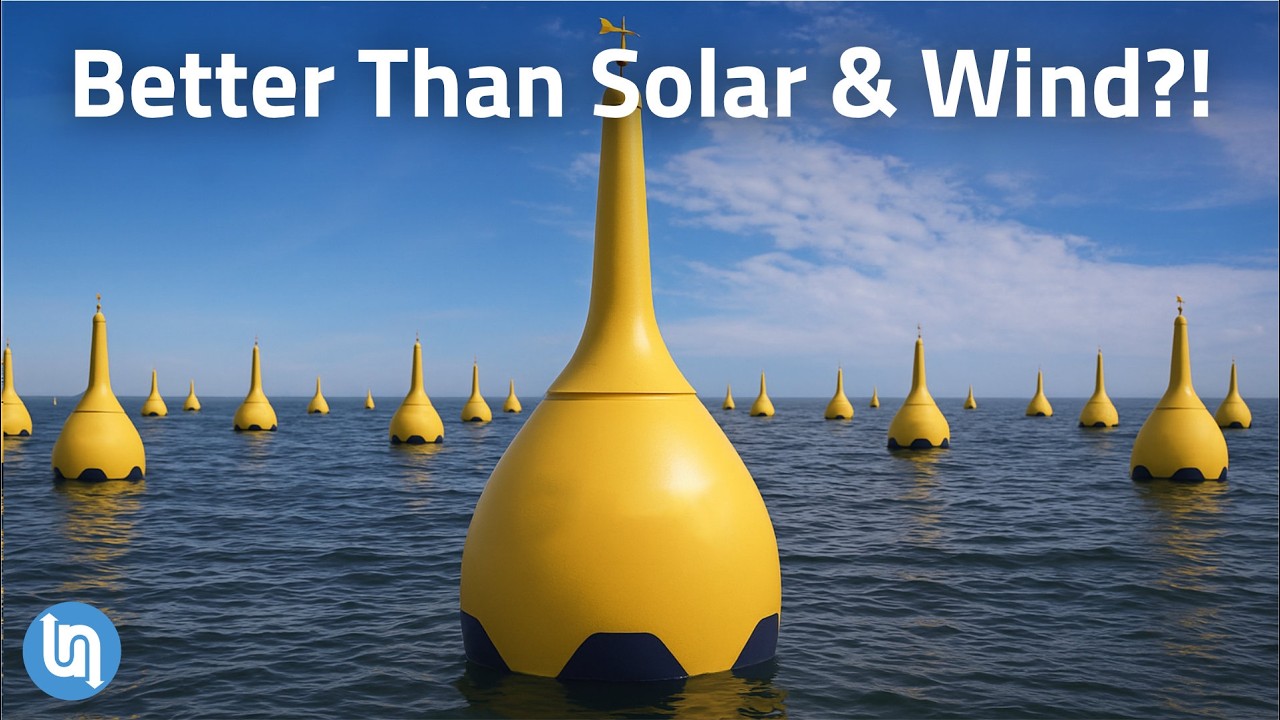
How Waves Could Quietly Overtake Solar & Wind

Geografi Kelas X (28) Perairan Laut (Jenis Laut, Arus Laut, Relief dasar laut, Manfaat Laut)

Potensi dan Sebaran Sumber Daya Alam

Paparan Kementrian Kelautan dan Perikanan "Inovasi Pengelolaan Hasil laut & Potensi Laut Indonesia"

Perairan Laut #kumer

Geo X. 39. Dinamika Perairan Laut (Arus Laut, Gelombang dan Pasang Surut).
5.0 / 5 (0 votes)

