Unit 3: Problems of Industrial Labor (Part 5)
Summary
TLDRThe video explores the harsh realities faced by industrial workers during the Gilded Age. With the rise of factories, workers became dependent on their jobs, losing individuality and facing long hours, low wages, and dangerous conditions. Child labor was rampant, and many families struggled to survive. Worker exploitation was widespread, and injury or death on the job was common with no compensation. The tragic Avendale mine disaster in 1869 spurred labor reforms and the formation of unions, as workers realized their only hope for change was to organize and fight for better conditions.
Takeaways
- 😀 Industrial labor in the Gilded Age grew rapidly, from 3 million workers in 1860 to 13.5 million by 1900.
- 😀 Factory workers became dependent on the factory system, losing their individualism compared to skilled craftsmen working independently.
- 😀 Workers in factories were considered expendable, as new workers could easily replace those who became sick or injured.
- 😀 Long working hours were common, with steel workers working up to 72 hours a week, often with back-to-back shifts.
- 😀 Workers had no sick days, vacation days, or holidays, with only Christmas off, and unpaid.
- 😀 Wages were extremely low, with unskilled workers earning as little as $500 annually, not enough to support a family.
- 😀 To reduce costs, employers hired women and children, who were paid significantly less than men, exacerbating labor exploitation.
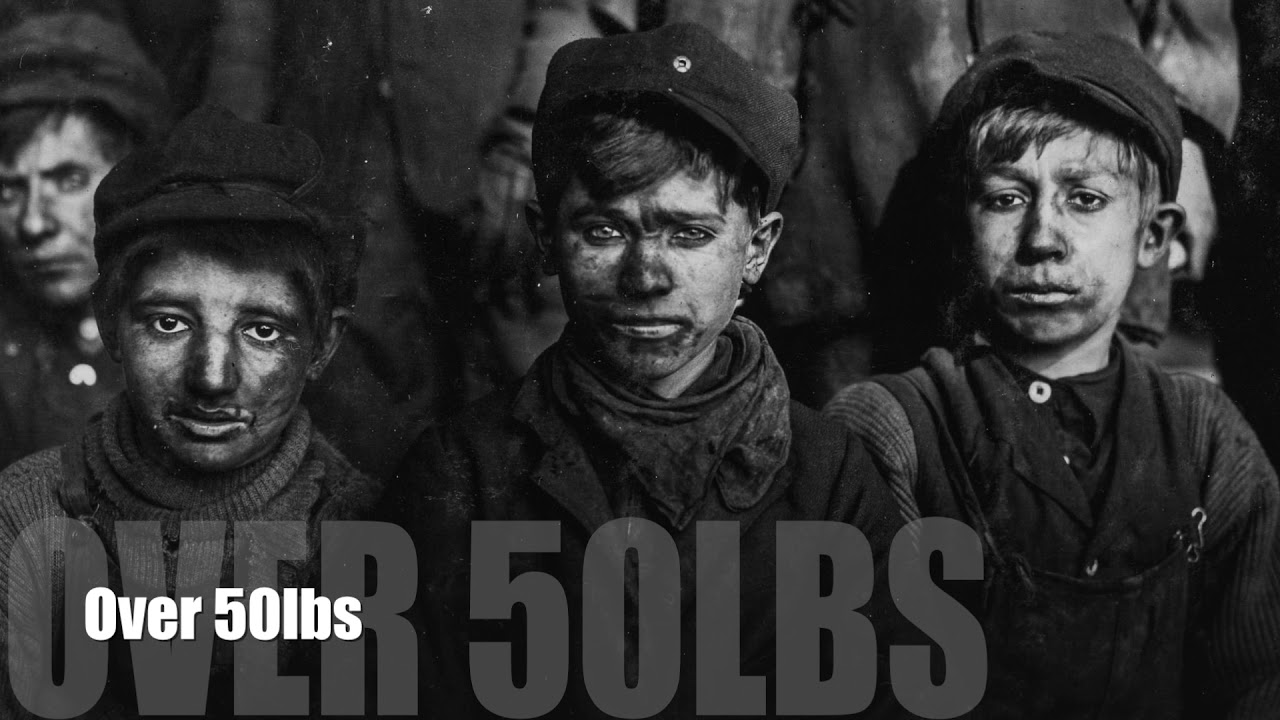
- 😀 By 1880, 1 in 6 children under 14 worked full-time, often in dangerous and unhealthy factory conditions, which limited their future prospects.
- 😀 Factories, mines, and mills were highly dangerous, with workers, especially children, experiencing a high rate of accidents and injuries.
- 😀 Workers faced extreme exploitation due to lack of job security, workmen's compensation, or unemployment benefits, leaving families destitute if workers were injured or laid off.
- 😀 The Avendale mine disaster in 1869, which killed 110 workers, sparked new mining regulations and led to greater unionization efforts among workers.
Q & A
What is the main problem faced by industrial workers during the Gilded Age?
-The main problem was the loss of individualism and dependency on factories. Workers became like cogs in a machine, easily replaceable, and lost the independence they once had as skilled artisans.
How did the increase in mechanization affect the demand for workers?
-Mechanization led to a higher demand for unskilled workers, as machines took over many of the tasks once performed by skilled laborers. This resulted in employers hiring women and children, who could be paid lower wages.
What were the working hours like for industrial workers in the late 1800s?
-The average workweek was 66 hours, with steel workers often working 72 hours a week. Some workers even faced back-to-back shifts, working 24 hours straight in extreme cases.
Why did children as young as 7 or 8 work in factories and mills during this period?
-Children worked in factories because their families often needed additional income to survive. The wages for parents, like coal miners, were not enough to support a family, so children worked to help make ends meet.
How were the working conditions for children different from those of adults?
-Children suffered more accidents than adults, being three times as likely to be injured in factory accidents. Additionally, the work was grueling and unsafe, with long hours and dangerous conditions.
What was the impact of the Avendale Mine disaster of 1869?
-The disaster, which killed 110 miners, highlighted the dangerous conditions workers faced. It led to new mining regulations and increased interest in unionizing among workers in the region.
What role did unions play in addressing workers' rights during the Gilded Age?
-Unions provided a way for workers to unite and fight for better wages, working conditions, and job security. However, workers faced extreme opposition from employers, who used tactics like firing union members, hiring strikebreakers, and creating blacklists.
How did employers respond to unionizing efforts by workers?
-Employers responded by firing union organizers, hiring thugs to intimidate them, and using undercover detectives to spy on workers. They also created blacklists to prevent unionized workers from finding new employment.
Why did the government not pass laws to protect industrial workers during the Gilded Age?
-The government viewed businesses as private property and believed it was not their role to intervene. This allowed factory owners to operate with little regulation, leading to unsafe working conditions and exploitation.
What was the significance of the quote by the union leader during the Avendale Mine disaster?
-The quote emphasized that workers should not be willing to die for the profit of factory owners who cared little about their safety. It called for workers to unite and fight for better conditions and rights, rather than accept being treated as expendable.
Outlines

此内容仅限付费用户访问。 请升级后访问。
立即升级Mindmap

此内容仅限付费用户访问。 请升级后访问。
立即升级Keywords

此内容仅限付费用户访问。 请升级后访问。
立即升级Highlights

此内容仅限付费用户访问。 请升级后访问。
立即升级Transcripts

此内容仅限付费用户访问。 请升级后访问。
立即升级浏览更多相关视频
Industrial Revolution Working Conditions

04 How the Other Half Lives

LABOR in the Gilded Age [APUSH Review Unit 6 Topic 7] Period 6: 1865-1898

Condições de Vida dos Trabalhadores na Revolução Industrial

Factories and Machines - Timelines.tv History of Britain A11

Paham Komunis Terlalu Indah Untuk Diwujudkan? Darimana Asalnya Ideologi Ini? | Learning By Googling
5.0 / 5 (0 votes)

