Doença do Refluxo Gastroesofágico I | GASTROENTEROLOGIA
Summary
TLDRIn this video, the speaker dives into gastroenterology, focusing on gastroesophageal reflux disease (GERD), a common yet significant health issue. They explain how acid reflux occurs when gastric content moves from the stomach to the esophagus, causing discomfort. The video highlights the symptoms of GERD, such as heartburn and acid regurgitation, and discusses atypical manifestations like chest pain and respiratory issues. Risk factors, including obesity and age, are outlined, along with diagnostic and treatment approaches. The speaker emphasizes the importance of understanding symptoms and seeking timely medical attention formoreseverecases.
Takeaways
- 😀 GERD (Gastroesophageal Reflux Disease) occurs when stomach acid flows back into the esophagus, causing discomfort and possible damage to the esophageal lining.
- 😀 A key cause of GERD is the weakening or relaxation of the lower esophageal sphincter (LES), which allows gastric content to flow into the esophagus.
- 😀 The stomach naturally produces hydrochloric acid, which aids in digestion. However, other parts of the digestive system, like the esophagus, are not equipped to handle this acid.
- 😀 Symptoms of GERD include heartburn (pyrosis) and acid regurgitation, both of which are considered typical signs of the condition.
- 😀 GERD can also manifest with atypical symptoms, such as chest pain (which can mimic heart disease), chronic cough, laryngitis, and even dental erosion.
- 😀 Factors that increase the risk of GERD include being over 45 years old, being of Caucasian descent (especially in men), obesity, smoking, alcohol consumption, and certain foods like coffee and chocolate.
- 😀 A key differentiator for diagnosing GERD is the presence of heartburn and acid regurgitation, but doctors must be cautious of other potential causes, like heart disease.
- 😀 The disease can be exacerbated by conditions like hiatal hernia or delayed gastric emptying, which increase the likelihood of reflux.
- 😀 When diagnosing GERD, healthcare professionals must be alert to alarm signs, such as dysphagia (difficulty swallowing), unintentional weight loss, or persistent symptoms that disturb sleep, as these could indicate a more serious underlying condition.
- 😀 Treatment for GERD often involves a clinical diagnosis, but further tests may be necessary for patients with atypical symptoms. Lifestyle changes, medication, or in severe cases, surgery may be recommended.
Q & A
What is gastroesophageal reflux disease (GERD)?
-GERD is a condition where the content of the stomach refluxes into the esophagus, causing symptoms that affect the patient's well-being or lead to complications. It is different from normal, occasional reflux in that it causes discomfort or damage to the esophageal lining.
How does the stomach prevent damage from its acidic secretion?
-The stomach is protected from its acidic secretion by a thick mucus lining, which shields it from the hydrochloric acid produced for digestion. In contrast, other parts of the digestive system, like the esophagus, are not equipped to handle prolonged exposure to acid.
What are the primary physiological mechanisms preventing reflux in the esophagus?
-The two main mechanisms preventing reflux are the lower esophageal sphincter (LES), which is a muscle that closes the opening between the stomach and esophagus, and peristalsis, which are the muscular contractions in the esophagus that help push refluxed material back into the stomach.
What causes GERD to become a disease?
-GERD becomes problematic when the lower esophageal sphincter relaxes more frequently, allowing acid from the stomach to enter the esophagus and cause symptoms or damage. Other factors like anatomical abnormalities (e.g., hiatal hernia) or impaired gastric emptying can also contribute.
What are the risk factors for developing GERD?
-Risk factors for GERD include being over 45 years old, obesity, smoking, alcohol consumption, certain foods (like chocolate, coffee), and specific medications (e.g., NSAIDs). Anatomical abnormalities like a hiatal hernia also increase the risk.
Does Helicobacter pylori infection contribute to GERD?
-No, Helicobacter pylori infection does not significantly contribute to GERD. While this bacteria is linked to conditions like gastritis and ulcers, it is not a risk factor for GERD.
What are the typical symptoms of GERD?
-The typical symptoms of GERD include heartburn (a burning sensation behind the breastbone) and acid regurgitation (the sensation of stomach contents rising into the throat). These symptoms are often more frequent and severe in GERD compared to normal, occasional reflux.
How can GERD symptoms be confused with other conditions?
-GERD symptoms can sometimes be confused with other conditions, such as heart disease. The pain from GERD can mimic the pain of a heart attack, so it is crucial to rule out cardiac issues when patients present with chest pain. Additionally, GERD can cause extra-esophageal symptoms like asthma, laryngitis, or even dental erosion.
What are alarm symptoms that require immediate attention in GERD patients?
-Alarm symptoms include difficulty swallowing (dysphagia), pain during swallowing (odynophagia), unexplained weight loss, anemia, bleeding, a family history of cancer, and waking up at night due to symptoms. These symptoms may indicate a more serious condition, such as esophageal cancer or other serious complications.
Why is it important to differentiate between heartburn and epigastric pain?
-Differentiating between heartburn (a burning sensation from acid reflux) and epigastric pain (associated with ulcers or gastritis) is essential for proper diagnosis and treatment. While both involve discomfort in the stomach area, they are treated differently. Heartburn is a key symptom of GERD, while epigastric pain might require treatment for ulcersorgastritis.
Outlines

此内容仅限付费用户访问。 请升级后访问。
立即升级Mindmap

此内容仅限付费用户访问。 请升级后访问。
立即升级Keywords

此内容仅限付费用户访问。 请升级后访问。
立即升级Highlights

此内容仅限付费用户访问。 请升级后访问。
立即升级Transcripts

此内容仅限付费用户访问。 请升级后访问。
立即升级浏览更多相关视频

Heartburn, Acid Reflux, GERD-Mayo Clinic

Understanding GERD (GERD #1)
Gastroesophageal Reflux Disease (GERD) - CITO Review
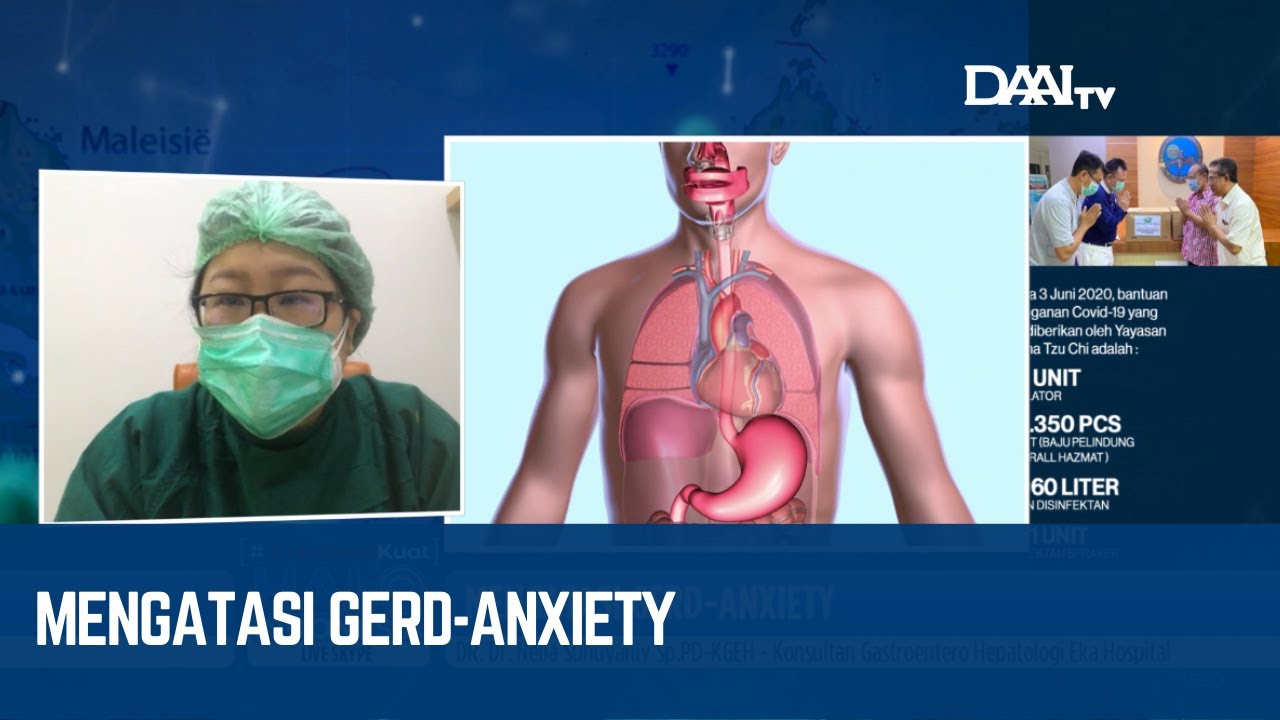
Apa Itu Gerd ? Bagaimana Cara Mengatasi Gerd ? | Mengatasi Gerd Anxiety

Gastroesophageal Reflux Disease (GERD) Signs & Symptoms (ex. Bad Teeth) | & Why They Occur

Overview of antacids
5.0 / 5 (0 votes)

