Chapter 21 Summary - The American Yawp
Summary
TLDRIn 1914, a complex web of alliances and tensions in Europe led to the outbreak of World War I, with major powers divided into the Triple Entente and Triple Alliance. The assassination of an Austrian royal triggered a chain reaction, drawing in nations like Germany, Austria-Hungary, Britain, and Russia. The U.S. initially declared neutrality but joined the Allies after German actions, including the sinking of the Lusitania. America's entry tipped the balance, helping end the war in 1918. President Wilson's vision for a just postwar world was undermined by European leaders, but the creation of the League of Nations marked a significant development. The war's aftermath set the stage for future global conflicts, including WWII and the Cold War.
Takeaways
- 😀 The outbreak of World War I in 1914 was triggered by a series of seemingly minor incidents, escalating due to complex alliances between major European powers.
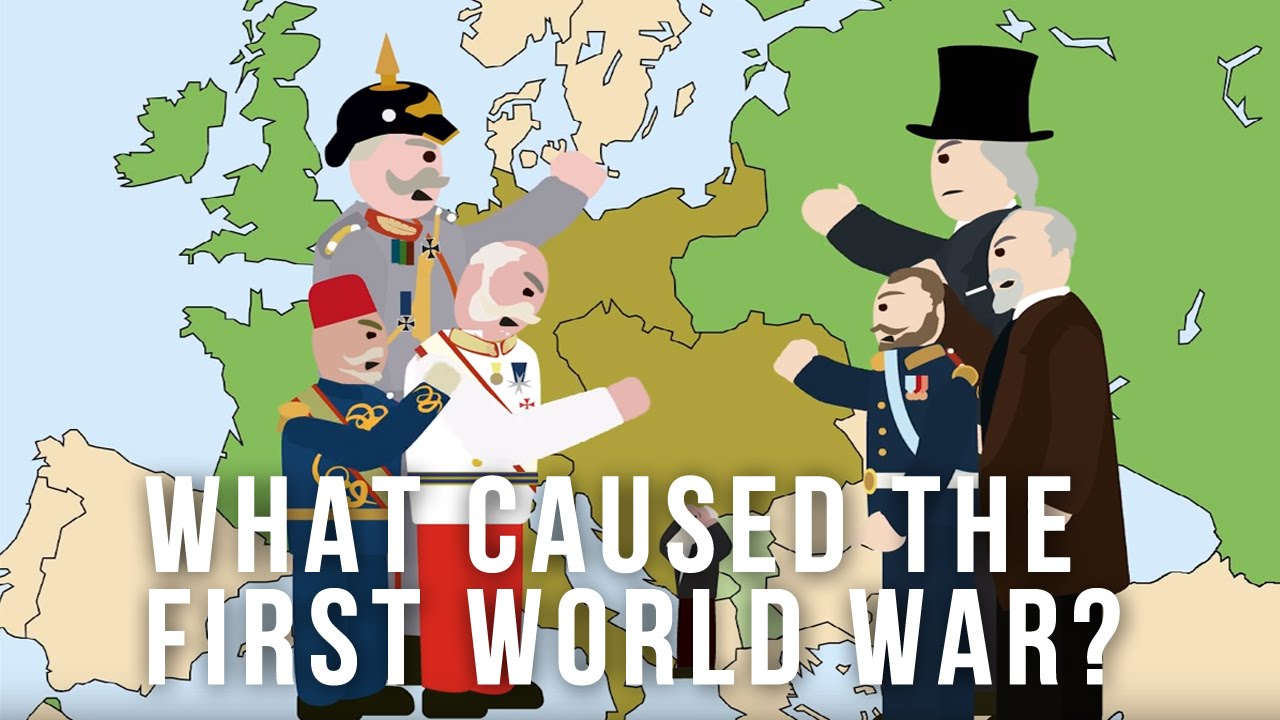
- 😀 Europe was divided into two main alliances: The Triple Entente (Britain, France, Russia) and the Triple Alliance (Germany, Austria-Hungary, Italy).
- 😀 The assassination of an Austrian royal during a parade set off a chain reaction of declarations of war across Europe, with Germany, France, and Great Britain quickly becoming involved.
- 😀 The United States initially declared neutrality but shifted toward supporting the Allies after events like the sinking of the Lusitania and the Zimmermann telegram.
- 😀 President Wilson aimed to maintain global peace and was a strong advocate for the creation of a League of Nations, though other powers wanted to punish Germany.
- 😀 The U.S. military played a significant role in the war, with over 4.5 million Americans joining the armed forces, including many immigrants and African Americans.
- 😀 The war reached a stalemate for several years before American soldiers, bolstered by sheer numbers, helped break the deadlock, pushing back German advances.
- 😀 Germany, faced with a looming invasion and defeat, requested an armistice, bringing the war to an end on November 11, 1918.
- 😀 Despite Wilson's ideals for a generous postwar peace, European leaders and American Congress resisted his vision, leading to a harsher settlement for Germany.
- 😀 The aftermath of the war created political instability, directly contributing to global depression, the rise of totalitarian regimes, and the outbreak of World War II.
- 😀 The war's consequences included the Bolshevik Revolution, the creation of the Soviet Union, and the emergence of the United States as a global power, forever changing America's position in the world.
Q & A
What were the major alliances in Europe during the buildup to World War I?
-In 1914, Europe was divided into two major alliances: The Triple Entente, consisting of Britain, France, and Russia, and the Triple Alliance, which united Germany, Austria-Hungary, and Italy.
How did the assassination of an Austrian royal escalate into a world war?
-The assassination of Archduke Franz Ferdinand of Austria in 1914 triggered a complex web of alliances. Germany declared war on France, and Great Britain joined the war in support of its allies. Russia and Austria-Hungary also quickly entered the conflict, leading to a continent-wide war.
What role did the United States play in the early stages of World War I?
-Initially, President Wilson declared American neutrality, but American sentiment shifted against Germany after events like the sinking of the Lusitania and the Zimmerman telegram, leading to the U.S. entering the war in 1917.
How did American military involvement impact the war?
-American forces, numbering over 4.5 million, played a significant role in revitalizing the exhausted European armies. Their large numbers and fresh energy helped turn the tide against Germany, leading to an armistice in November 1918.
What were President Wilson’s aims for a postwar world?
-President Wilson envisioned a just and efficient global government, which he believed could be achieved through international cooperation. His most significant achievement was the creation of the League of Nations, although his broader goals were met with resistance.
Why was Wilson’s vision for peace not fully realized at the Paris Peace Conference?
-European leaders were more focused on punishing Germany than on implementing Wilson's more generous and egalitarian peace terms. The result was a compromise that only partially reflected Wilson’s ideals, with the creation of the League of Nations as the main achievement.
What were the long-term consequences of World War I?
-World War I had lasting consequences, including triggering a global depression and contributing to the outbreak of World War II. It also led to the Bolshevik Revolution, the rise of the Soviet Union, and the Cold War. The war also redrew the map of the Middle East, creating new nations and aggravating ethnic tensions.
How did the U.S. change its role in the world after World War I?
-After fighting in World War I, the United States emerged as a major global power. The war marked a significant shift in its international position, signaling that America’s influence on the world stage would be much greater moving forward.
What impact did World War I have on American attitudes toward dissent and immigration?
-The aftermath of World War I saw a rise in nationalism in the U.S., which led to more hostile attitudes toward radicalism, dissent, and immigration. Many Americans became suspicious of foreign influences and were less tolerant of political ideologies that challenged the status quo.
What was the general mood in the U.S. after the war ended?
-Postwar disillusionment led many Americans to abandon the hopes for progressive transformation that had been prevalent before the war. The brutal reality of the war left many feeling pessimistic about the future and the potential for meaningful change in the modern world.
Outlines

此内容仅限付费用户访问。 请升级后访问。
立即升级Mindmap

此内容仅限付费用户访问。 请升级后访问。
立即升级Keywords

此内容仅限付费用户访问。 请升级后访问。
立即升级Highlights

此内容仅限付费用户访问。 请升级后访问。
立即升级Transcripts

此内容仅限付费用户访问。 请升级后访问。
立即升级


5.0 / 5 (0 votes)

