are we lowkey going deaf?
Summary
TLDRThis video script humorously tackles the growing issue of noise-induced hearing loss, especially among young people, and the science behind it. Through engaging anecdotes and technical explanations, the script highlights the risks of prolonged exposure to loud sounds and the potential for permanent hearing damage. The video emphasizes the importance of changing listening habits, from using headphones responsibly to creating cultural shifts around noise pollution. It combines humor, personal reflection, and pop culture references, making an informative topic accessible and entertaining.
Takeaways
- 😀 One in five young people show signs of noise-induced hearing loss, and this figure has likely increased with modern tech like AirPods.
- 😀 According to the World Health Organization, a billion young adults are at risk of permanent, avoidable hearing loss due to loud music exposure.
- 😀 Prolonged exposure to sound above 80-85 dB, such as music through headphones or loud environments like nightclubs, can cause irreversible hearing damage.
- 😀 Hair cells in the ear can become fatigued from repeated noise exposure and, when overworked, can die. This damage is permanent and cannot be repaired.
- 😀 Decibels measure sound intensity logarithmically, meaning a 100 dB sound is 100 times louder than an 80 dB sound, and it only takes 20 minutes of exposure to 100 dB to cause potential hearing damage.
- 😀 Listening to loud music on headphones, especially at maximum volume, can lead to permanent ear damage, even though many people still disregard warnings about it.
- 😀 The volume notification feature on devices is designed to warn users when their listening habits could lead to hearing loss, but people often ignore these notifications.
- 😀 Loud music in public spaces like clubs serves as both a social lubricant and a marketing tool, encouraging people to stay longer and buy more, despite the potential hearing risk.
- 😀 Despite knowing the dangers, people continue to listen to music at high volumes because it’s culturally accepted, and we associate loud music with fun, motivation, and excitement.
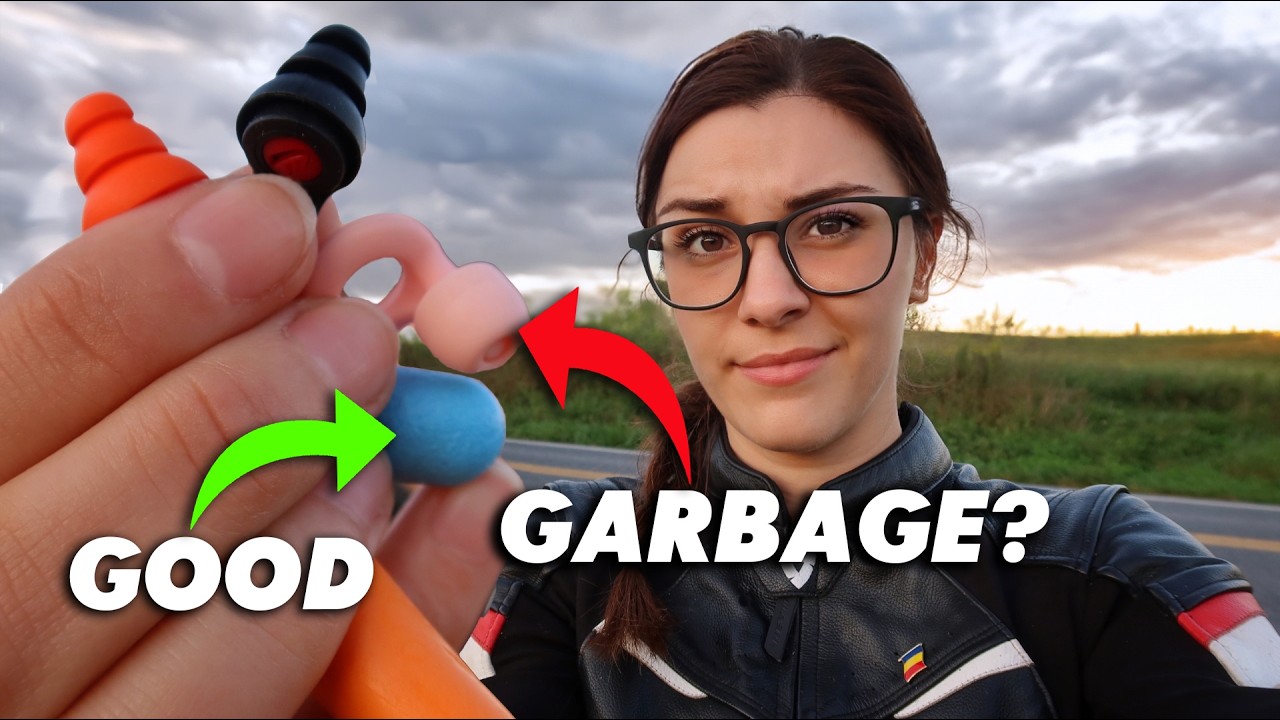
- 😀 Active noise-canceling headphones and earplugs are useful tools for mitigating noise exposure, but addressing noise pollution on a larger scale requires cultural change and awareness, similar to anti-smoking campaigns.
Q & A
Why does the speaker say we should be worried about hearing loss?
-Because major health organizations such as the NIH, WHO, and CDC report that a significant portion of young people already show signs of noise-induced hearing loss, and a billion young adults are currently at risk of permanent and avoidable hearing damage.
What are hair cells, and why are they important for hearing?
-Hair cells are sensory cells inside the ear that convert sound vibrations into electrical signals the brain can interpret. They are essential for hearing, but once damaged or destroyed, they do not regenerate.
How does loud noise physically damage hair cells?
-Overstimulation causes the mitochondria in hair cells to produce reactive oxygen species that damage cellular membranes and DNA, leading to cell fatigue and eventually cell death.
Why is decibel measurement misleading for understanding how much louder one sound is compared to another?
-Because decibels are based on a logarithmic scale, meaning a small numerical increase represents a large increase in sound intensity. For example, 100 dB is 100 times more intense than 80 dB, not just a little louder.
How long can someone safely listen to 80 dB compared to 100 dB?
-According to the WHO, 80 dB is safe for around 40 hours per week, while 100 dB is only safe for about 20 minutes per week.
Why do people enjoy listening to music loudly?
-Reasons include distraction from unpleasant emotions, heightened sensory intensity, improved ability to hear small details in music, and the emotional boost that louder sounds can provide.
How does constant background noise affect people cognitively?
-Prolonged noise exposure can reduce focus, impair learning, and affect information processing. A study from 1974 showed that students exposed to regular train noise performed significantly worse in reading tests than those on the quiet side of the school.
Why does the speaker mention turning car music down when trying to concentrate?
-It highlights how sound competes for cognitive resources. Reducing noise helps the brain focus better, demonstrating how intrusive loud environments can be.
How do active noise-cancelling headphones reduce external noise?
-They generate sound waves that are the inverse of surrounding noise. These opposing waves cancel out incoming sound through destructive interference, reducing overall volume reaching the ears.
What cultural changes does the speaker suggest to reduce noise-related hearing loss?
-He suggests making loud noise socially uncool, similar to anti-smoking campaigns, and implementing quieter spaces or 'ear rest areas' in loud venues like clubs to encourage healthier listening habits.
Why does the speaker compare earplugs and hearing protection to wearing sunscreen?
-Both are preventative measures that may feel uncool but protect against long-term, irreversible damage caused by everyday environmental factors.
What point does the speaker make by referencing bottled water?
-He argues that with effective marketing, even unnecessary habits become normalized, implying that healthy hearing habits could also become popular if promoted correctly.
Outlines

此内容仅限付费用户访问。 请升级后访问。
立即升级Mindmap

此内容仅限付费用户访问。 请升级后访问。
立即升级Keywords

此内容仅限付费用户访问。 请升级后访问。
立即升级Highlights

此内容仅限付费用户访问。 请升级后访问。
立即升级Transcripts

此内容仅限付费用户访问。 请升级后访问。
立即升级


5.0 / 5 (0 votes)

