The Skinny Fat Fix (Copy This)
Summary
TLDRThe video tackles the confusing issue of being 'skinny fat'—a body type where you lack muscle tone but don’t have excess fat. It offers a comprehensive solution through weight training, progressive overload, proper nutrition (calorie deficit and high protein), and tracking progress with scales, progress photos, and lifting data. The video emphasizes the importance of patience, consistency, and sleep for optimal results. While cardio is beneficial for health, focusing on resistance training is key to transforming the skinny fat look and achieving a toned physique.
Takeaways
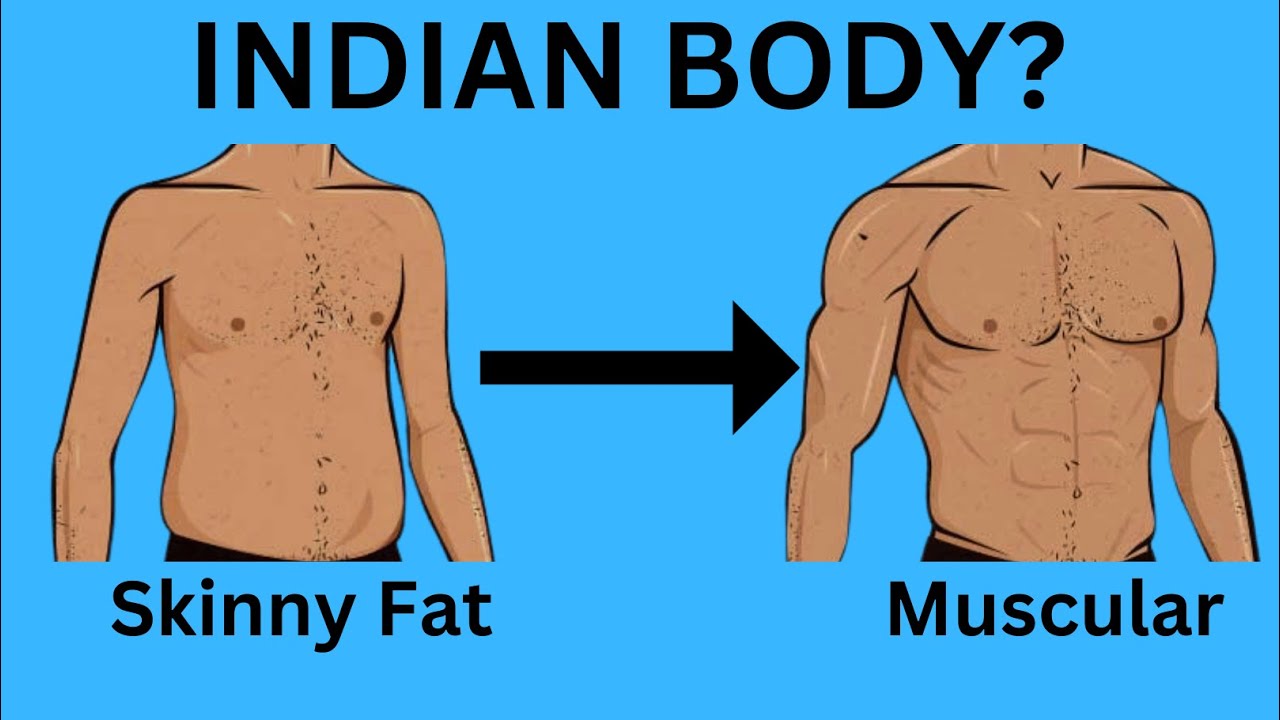
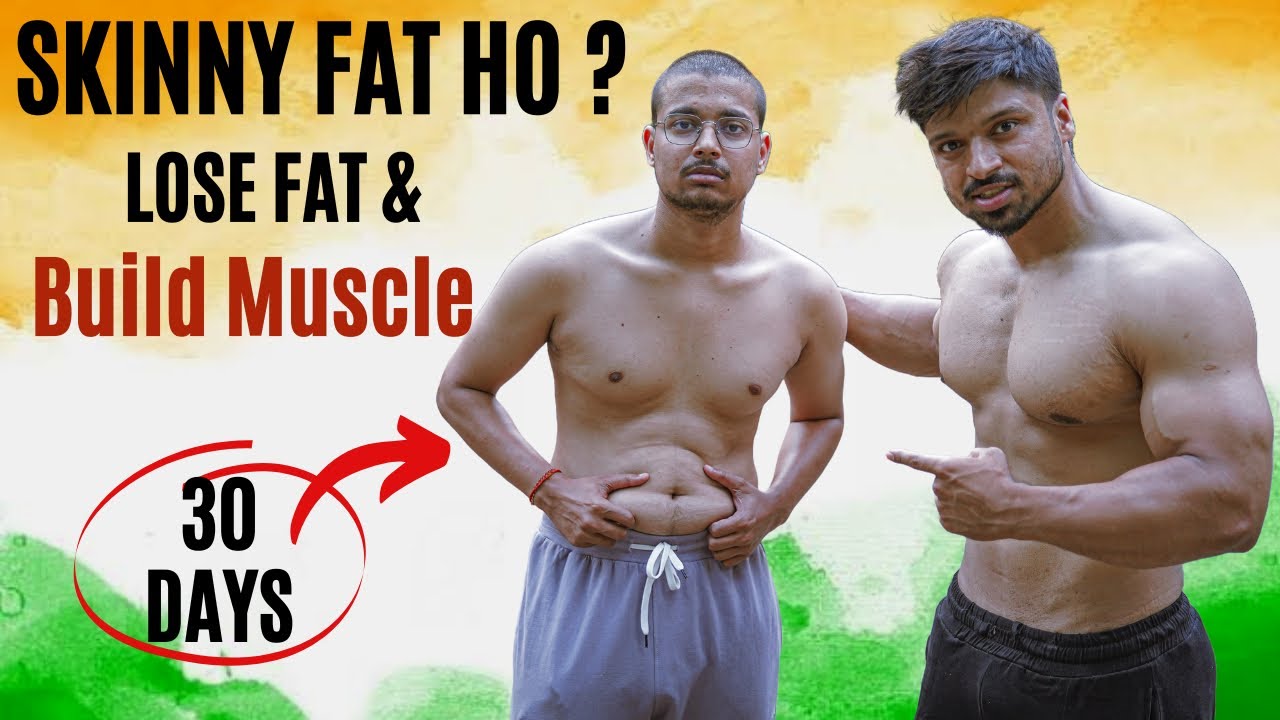
- 😀 Skinny fat is confusing because you don't have much weight to lose, but lack muscle definition for a toned look. It’s a great starting point for body recomposition, as you can lose fat and build muscle simultaneously.
- 💪 The key to overcoming the skinny fat look is focusing on weight training, not cardio. A structured weight training program is essential for muscle growth and achieving a more defined physique.
- 🏋️♀️ Aim to train at least 3 times a week, ideally 4-5 times, with one or two rest days. This frequency is key to progressing and breaking out of the skinny fat phase.
- 📊 Progressive overload is crucial for muscle growth. Track your weights, reps, and overall progress to ensure you're continuously challenging your muscles and avoiding stagnation.
- ❤️ Cardio is fine if you enjoy it, but it should not be the primary focus. Weight training should come first, and cardio can be incorporated on rest days or after lifting.
- 🚫 If you don’t enjoy weight training, it will be difficult to break out of the skinny fat look. Commit to it, or find a type of resistance training that you enjoy.
- 🍗 Nutrition plays a major role. To lose fat, you need to be in a calorie deficit. Focus on a moderate calorie deficit (15-20% below maintenance) while prioritizing high protein intake.
- 🥩 Protein is essential to build muscle and preserve muscle mass during a deficit. Aim for 1.6-2.2g of protein per kilogram of body weight to maximize muscle growth and fat loss.
- 📉 Tracking progress is vital for success. Use both scale weight and progress pics to monitor changes, but don’t compare yourself to others. Skinny fat progress may not show dramatic weight loss but can reveal noticeable body changes.
- ⏳ Expect the transformation to take time. Aim for at least 12 weeks to see significant results. Patience and consistency will lead to lasting changes, especially if you avoid drastic calorie cuts and focus on steady progress.
Q & A
What is the 'skinny fat' condition, and why is it confusing?
-Skinny fat refers to a body type where a person has a low amount of body fat but also lacks muscle tone, giving them a soft or untoned appearance. It's confusing because while they may not need to lose much weight, they don't have enough muscle to achieve a toned or defined look. The condition often arises from focusing on weight loss without adequately addressing muscle building.
How can someone with a skinny fat body type break out of it?
-The key to breaking out of the skinny fat look is to focus on weight training rather than cardio. Building muscle through resistance training is crucial for achieving the toned, defined look that many desire. Progressive overload, tracking gym progress, and eating in a moderate calorie deficit are also important steps in this process.
Why is weight training more important than cardio for someone with a skinny fat body type?
-Weight training is crucial because it helps build muscle, which is necessary to combat the soft, untoned appearance associated with being skinny fat. While cardio is good for heart health, it doesn't help build muscle, which is essential for achieving the desired toned look. Weight training, combined with progressive overload, leads to muscle growth and fat loss.
What is progressive overload, and why is it important?
-Progressive overload refers to gradually increasing the weight or the number of repetitions in your workouts over time. This principle is essential for muscle growth, as it continually challenges the muscles, prompting them to adapt and become stronger. Without tracking and applying progressive overload, progress will stagnate, and you won't see the muscle gains necessary to improve the skinny fat appearance.
How often should someone with a skinny fat body type train per week?
-A minimum of three times per week is recommended for weight training to break out of the skinny fat look. Ideally, four times per week yields better results, and five times a week is optimal if the individual enjoys it and can manage recovery. It's crucial to have at least one or two rest days for optimal muscle recovery.
Can cardio be included in the workout routine, and how should it be scheduled?
-Yes, cardio can be included in the routine, but it should not be the main focus. Cardio is great for heart health, but weight training should be prioritized. Cardio can be done on rest days or after weight training sessions. Ideally, weight training should come first to ensure energy is focused on building muscle.
What should you do if you don't enjoy weight training?
-If you don't enjoy weight training, it will be challenging to break out of the skinny fat look. The recommendation is to either find a type of resistance training that you enjoy or commit to pushing through the initial discomfort. Once you start seeing physical progress and strength gains, it becomes easier to enjoy and stick with weight training.
What is the correct approach to nutrition for someone aiming to fix the skinny fat look?
-The key to nutrition is maintaining a moderate calorie deficit, typically around 15-20% below maintenance, while focusing on high protein intake. Protein is crucial for muscle building and maintenance, especially while in a calorie deficit. Aim for at least 1.6 grams of protein per kilogram of body weight, with a potential upper range of 2.2 grams per kilogram for more effective muscle development.
What types of meals should someone in a calorie deficit focus on?
-Meals should be high in protein and easy to prepare, allowing the individual to stick to their calorie deficit without feeling deprived. Quick, protein-packed meals like overnight oats or protein-rich meal prep options are ideal. These meals should be satisfying, nutritious, and not overly complicated to prepare.
How should progress be tracked when trying to fix the skinny fat look?
-To track progress accurately, weigh yourself first thing in the morning on an empty stomach, with no clothes. Use this data to track weekly averages, not daily fluctuations. Additionally, take progress pictures regularly (front, side, and back) to visually track changes. Also, track your workout performance and nutrition adherence (calories and protein) to ensure you're on the right path.
Outlines

此内容仅限付费用户访问。 请升级后访问。
立即升级Mindmap

此内容仅限付费用户访问。 请升级后访问。
立即升级Keywords

此内容仅限付费用户访问。 请升级后访问。
立即升级Highlights

此内容仅限付费用户访问。 请升级后访问。
立即升级Transcripts

此内容仅限付费用户访问。 请升级后访问。
立即升级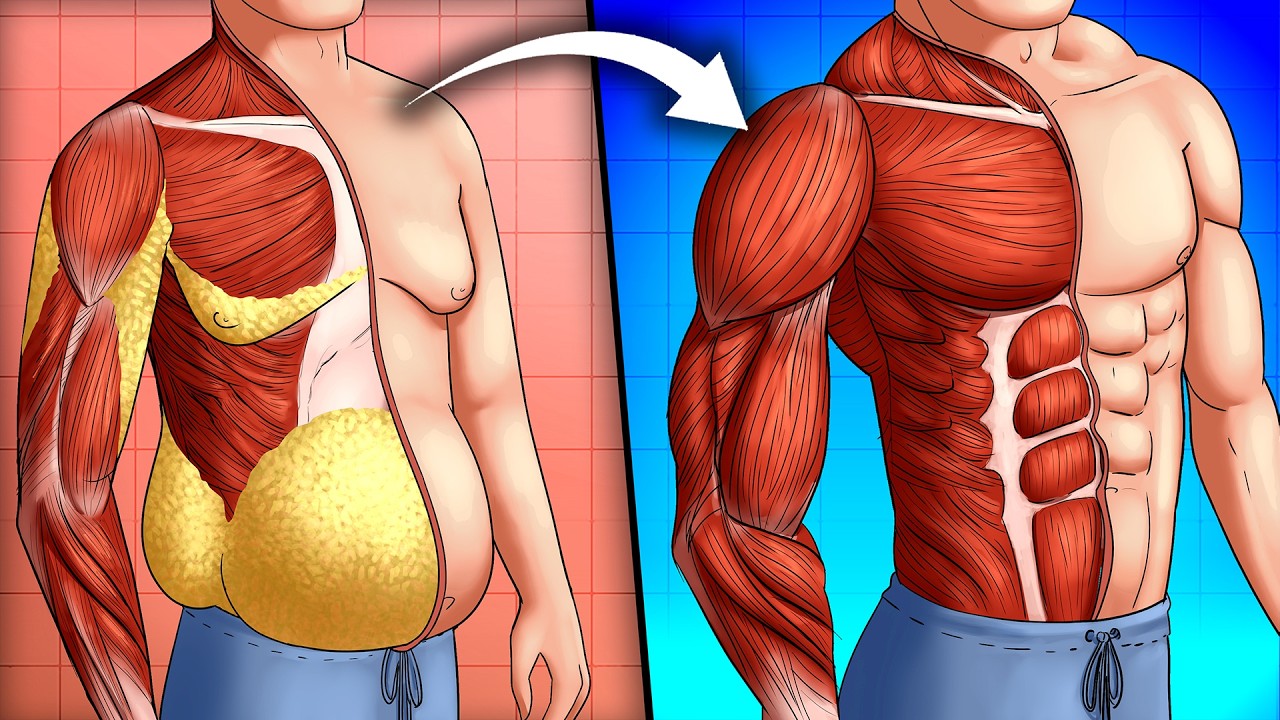



5.0 / 5 (0 votes)

