How I learned to code in 3 months (and got several offers)
Summary
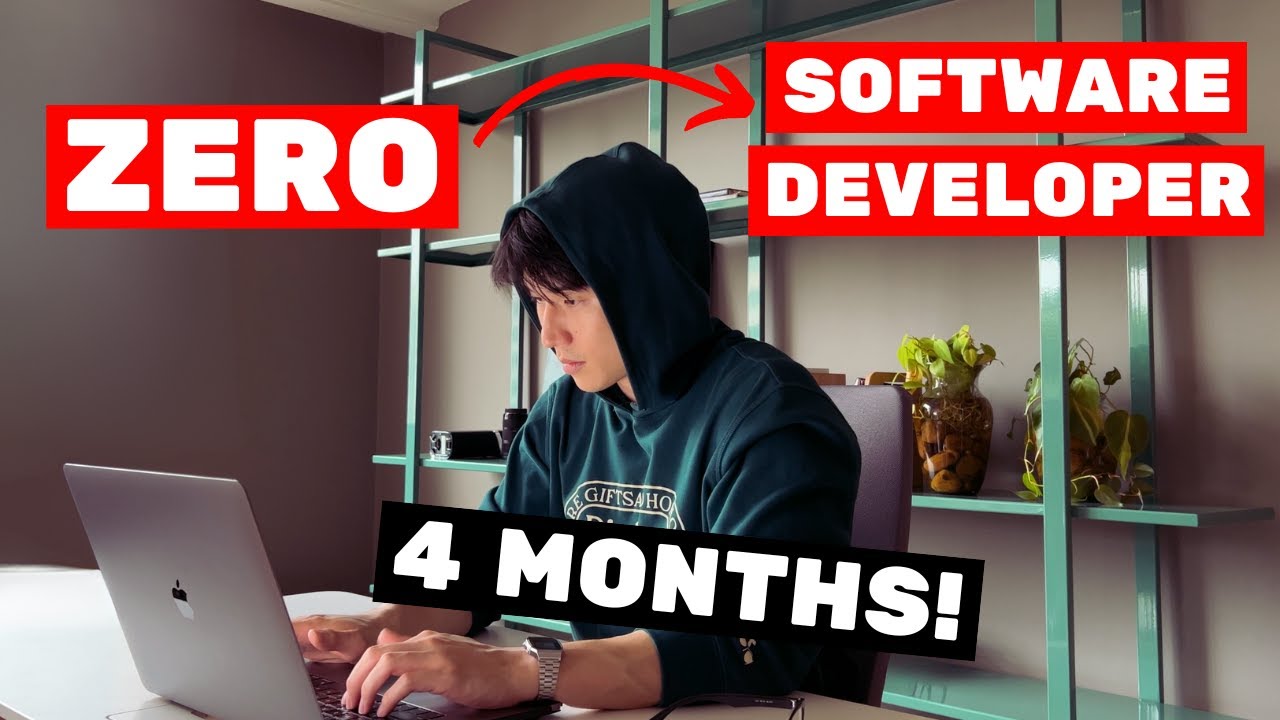
TLDRIn this video, the speaker shares their journey from a business degree to landing multiple job offers in the tech field by teaching themselves to code in just 3-4 months. They discuss how they transitioned from a finance-focused career to coding, detailing their learning process which involved books, videos, LeetCode problems, and personal projects. The speaker emphasizes the importance of practice, building a portfolio, and how to stand out as a self-taught developer in interviews. Their story highlights the challenges and rewards of being a self-taught coder aiming for high-level positions.
Takeaways
- 😀 You can go from zero coding experience to landing multiple job offers with dedication and the right approach.
- 😀 Growing up in a modest environment with immigrant parents, you didn't initially embrace coding despite having a software engineer father.
- 😀 University education in business didn't lead to a satisfying career, prompting you to explore other fields like cryptocurrency.
- 😀 Gaining experience at a cryptocurrency exchange led to your interest in coding, specifically in learning KDB to differentiate yourself in the workplace.
- 😀 Leaving a graduate program to pursue coding full-time was a bold move driven by ambition and a desire for more stimulating work.
- 😀 To teach yourself coding, the key components were: books, videos, coding practice (LeetCode), and building pet projects.
- 😀 Starting with C++, you immersed yourself in reading books to learn syntax, object-oriented programming, and other key concepts.
- 😀 Combining book learning with online video courses from platforms like Pluralsight and Udemy helped reinforce your coding knowledge.
- 😀 Consistently practicing coding problems on LeetCode, starting with one per day, helped you build problem-solving skills and gain confidence.
- 😀 Pet projects were critical in building a portfolio that set you apart from other job candidates, demonstrating your skills and creativity.
- 😀 You landed interviews by gaining real-world experience, embracing failure as part of the learning process, and focusing on building a strong portfolio of work.
Q & A
What was the speaker's background before learning to code?
-The speaker had a business background, holding a business degree, and initially aspired to be an investment banker. However, after internships in private equity, they found the work to be mundane and uninteresting, which led to a career shift.
How did the speaker's family background influence their approach to coding?
-The speaker's father, a software engineer, tried to teach them coding early on. However, the speaker had little interest in coding at the time, especially languages like CSS, HTML, and PHP, and did not pursue it further until later in life.
Why did the speaker decide to learn KDB, and how did this decision impact their career?
-The speaker decided to learn KDB to differentiate themselves from other graduates at their company, as KDB was a proprietary language used by the company. This choice allowed them to take on more coding tasks and eventually collaborate with a senior developer on an open-source project.
What motivated the speaker to leave their company despite making efforts to move into a coding role?
-The speaker recognized that they were driven and ambitious but could not overcome the bureaucracy at their company, which prevented them from transitioning to a coding role. They decided to leave the company and pursue coding independently.
What are the four key elements the speaker used to teach themselves coding?
-The four key elements were: reading books, watching videos, solving Leetcode problems, and building pet projects. These components formed a structured approach to learning and applying coding skills.
How did the speaker select C++ as the programming language to learn?
-The speaker chose C++ because of its prominence in the finance industry, particularly in high-frequency trading. They also had previous exposure to finance through a cryptocurrency exchange and felt that C++ would be a good fit for their career goals.
What role did videos play in the speaker's learning process?
-Videos helped the speaker reinforce their knowledge. They subscribed to platforms like Pluralsight, which offered structured learning paths that progressed from beginner to advanced levels. These videos complemented the books they were reading.
How did the speaker handle the difficulty of Leetcode problems during their learning journey?
-The speaker initially found Leetcode problems challenging, especially the easy ones, but persevered by doing one problem a day. Over time, they increased the difficulty and number of problems, eventually mastering concepts like recursion and dynamic programming.
What was the significance of pet projects in the speaker's job search?
-Pet projects played a crucial role in differentiating the speaker from other candidates. They built a portfolio that included solving a Jane Street puzzle, recreating a 2D platformer game, and building a bond pricer. These projects demonstrated practical coding skills and helped them connect with interviewers.
How did the speaker approach interviews, and what strategies helped them succeed?
-The speaker approached interviews with a focus on learning from failures. They recommended interviewing at companies they weren’t interested in initially to gain experience and reduce nerves. They also emphasized being comfortable with algorithms and differentiating themselves with real-world projects.
Outlines

此内容仅限付费用户访问。 请升级后访问。
立即升级Mindmap

此内容仅限付费用户访问。 请升级后访问。
立即升级Keywords

此内容仅限付费用户访问。 请升级后访问。
立即升级Highlights

此内容仅限付费用户访问。 请升级后访问。
立即升级Transcripts

此内容仅限付费用户访问。 请升级后访问。
立即升级浏览更多相关视频

How I Learned to Code in 6 Months - And Got Into Google
How I Learned to Code in 4 Months & Got a Job! (No CS Degree, No Bootcamp)

O QUE EU ESTUDEI para me tornar desenvolvedora!

O GUIA REALISTA para encontrar VAGAS de programador no exterior SEM CONCORRÊNCIA

5 PROVEN UPWORK TIPS To Help You Win Jobs (FAST)

How to Get a Programming Job With No Experience?
5.0 / 5 (0 votes)

