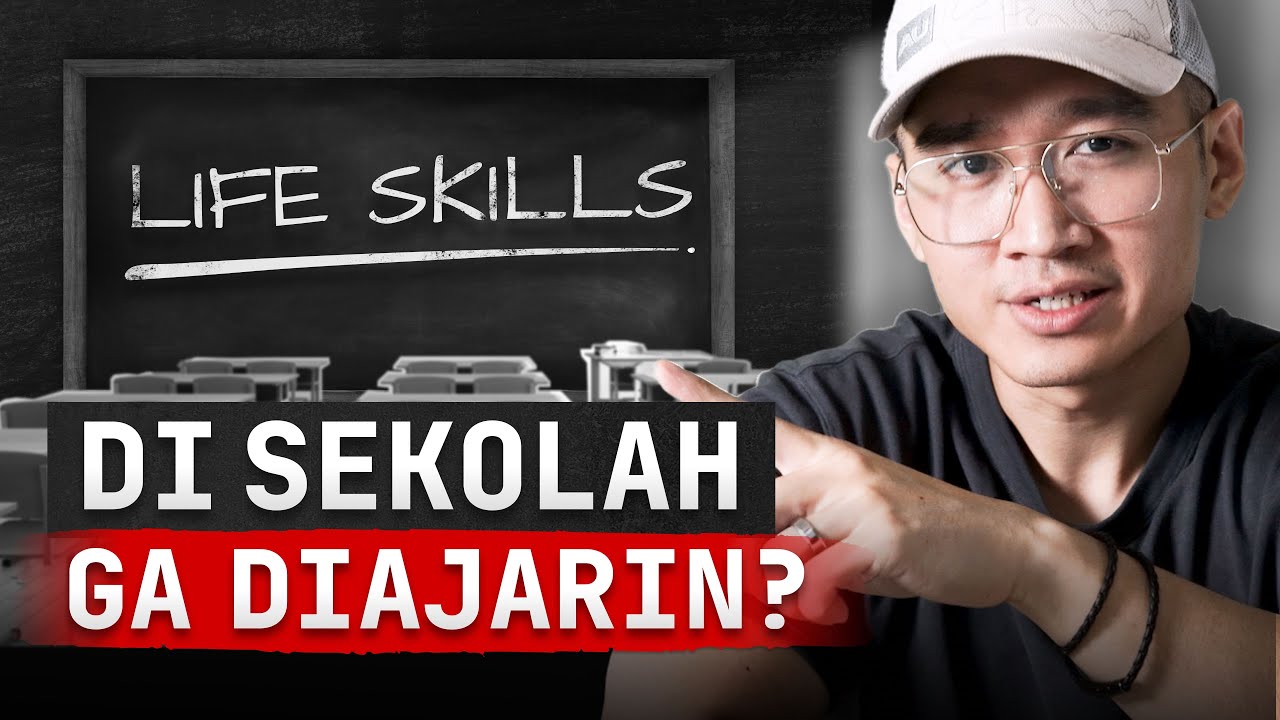
Episode Title: "Learning Isn't Just in the Classroom: Academics vs Real Life"
Summary
TLDRIn this video, the speaker, Habibi, discusses the importance of balancing academic learning with real-life skills. He emphasizes that while academics are important, life skills like communication, leadership, and teamwork are equally crucial but often neglected by traditional education systems. Habibi encourages viewers to pursue internships, volunteer work, and engage with people to gain practical experience that complements their classroom knowledge. He concludes by reminding the audience to keep learning and upgrading their skills for a successful future, urging them to like, comment, and subscribe for more insights.
Takeaways
- 😀 Academic learning is important, but life skills are equally crucial.
- 😀 Communication, leadership, and teamwork are vital skills that the education system often overlooks.
- 😀 Real-life experiences, such as internships and volunteer work, contribute to personal growth and are part of the 'classroom of life'.
- 😀 Academic qualifications are valuable, but they are not the only measure of success in the workplace.
- 😀 Many companies prioritize practical skills over theoretical knowledge when hiring.
- 😀 The traditional education system often focuses too much on exams and grades, neglecting essential life skills.
- 😀 Balancing academic studies with real-world experiences helps in developing a more well-rounded skill set.
- 😀 Students should engage in activities beyond the classroom to gain perspectives from others and improve their skills.
- 😀 It's important to keep learning and upgrading your skills for future opportunities.
- 😀 Continuous personal development, both inside and outside the classroom, is key to long-term success.
Q & A
What is the main message of the video?
-The main message is that learning is not limited to academic settings or classrooms; life experiences such as internships, volunteer work, and communication skills are equally important for personal and professional development.
What does the speaker believe is missing from the traditional education system?
-The speaker believes that the traditional education system often overlooks essential skills such as communication, leadership, and teamwork, which are crucial in real-life situations.
Why does the speaker mention the importance of real-life experiences?
-The speaker emphasizes that real-life experiences, like internships and talking to people, are vital for growth because they provide practical knowledge and skills that aren't taught in classrooms.
What is the speaker's opinion on academic achievements?
-The speaker acknowledges that academic achievements are important, but they are not the only factors that matter. Life experiences and the ability to work with others are just as important.
What does the speaker mean by 'classroom of life'?
-The 'classroom of life' refers to the lessons we learn outside of formal education settings, such as through personal experiences, internships, and interactions with others.
What point does the speaker make about the measurement of success?
-The speaker points out that not everything important can be measured, and not everything that is measurable is important, suggesting that some valuable life skills may not be captured through traditional academic metrics.
How does the speaker suggest balancing academic learning and real-life skills?
-The speaker suggests balancing academic learning with real-life experiences, such as participating in internships, volunteer work, and engaging in activities that develop skills like communication and leadership.
What role do organizations play in personal development, according to the speaker?
-According to the speaker, organizations, through internships and interactions with people, play a crucial role in personal development by providing opportunities to apply learned skills in real-world contexts.
What conclusion does the speaker make at the end of the video?
-The speaker concludes that while academics are important, they should not be the sole focus. It is essential to continue learning and improving real-life skills for a successful future.
What call to action does the speaker give at the end of the video?
-The speaker encourages viewers to keep learning, upgrade their skills, and subscribe to the channel for more content.
Outlines

此内容仅限付费用户访问。 请升级后访问。
立即升级Mindmap

此内容仅限付费用户访问。 请升级后访问。
立即升级Keywords

此内容仅限付费用户访问。 请升级后访问。
立即升级Highlights

此内容仅限付费用户访问。 请升级后访问。
立即升级Transcripts

此内容仅限付费用户访问。 请升级后访问。
立即升级浏览更多相关视频
5 Hal ini Wajib BELAJAR SEKARANG

TED TALK - Providing Students with Multiple Assessment Formats

Jogos Digitais na Educação Física

Pemecahan Masalah Matematika #Pengembangan Pembelajaran Matematika
dr Tirta: Pentingnya life learning, karena kampus hanya mengajarkan critical thinking #quote
A Simple Way to Learn New Skill (using science)
5.0 / 5 (0 votes)

