Progression of Liver Disease
Summary
TLDRThis video explores the incredible functions and resilience of the liver, our largest internal organ. Weighing 3.5–5 pounds and spanning the upper body, the liver acts as a filter, energy reservoir, bile producer, immune defender, and detoxifier. It explains how liver disease progresses similarly across causes—from inflammation (hepatitis) to scarring (fibrosis) and, in advanced stages, cirrhosis. Remarkably, the liver can regenerate damaged tissue if underlying causes are treated, highlighting its vital role in overall health. Understanding these stages emphasizes early detection, treatment, and the organ’s extraordinary capacity to heal and support life.
Takeaways
- 🫀 The liver is the largest internal organ, weighing 3.5–5 pounds and located on the right side under the ribs.
- 🔬 The liver performs over 500 vital functions including detoxification, nutrient storage, bile production, immune support, and blood clotting.
- ⚡ The liver acts like a rechargeable battery, storing nutrients and energy when not needed and releasing them as required.
- 🟢 Bile produced by the liver is stored in the gallbladder and helps digest fats in the stomach and intestines.
- 🩹 The liver plays a key role in healing and blood clotting, helping wounds scab and stop bleeding.
- 🦠 The liver is essential for the immune system, killing germs and filtering harmful substances from the body.
- 📊 Liver damage progresses through predictable stages: hepatitis (inflammation), fibrosis (scarring), and cirrhosis (extensive scarring).
- 🧩 Fibrosis (stages 1–3) can be reversed if the underlying cause of liver damage is treated early, allowing regeneration of healthy liver cells.
- ⚠️ Cirrhosis (stage 4) involves more scar tissue than healthy tissue, making regeneration difficult and increasing the risk of liver cancer.
- 🩺 Liver health is monitored using ultrasounds and FibroScans, which assess liver structure and elasticity to determine damage stages.
- 💪 The liver’s regenerative ability is remarkable; even a partially damaged or surgically reduced liver can grow back to full size.
Q & A
What is the liver and where is it located in the body?
-The liver is the largest internal organ in the human body, weighing between three and a half to five pounds. It is located on the right side of the body beneath the ribs and extends across much of the upper abdomen.
What are some of the liver’s major functions?
-The liver performs over 500 functions, including filtering toxins, storing energy and nutrients, helping build muscle, producing bile for digestion, stopping bleeding through clotting factors, fighting germs, supporting the immune system, and breaking down harmful substances.
How does the liver act like a filter?
-The liver processes everything a person eats, drinks, breathes, or absorbs through the skin. It removes toxins and harmful substances from the bloodstream, much like a filter in a fish tank cleans water.
What role does bile play in digestion?
-The liver produces bile, which is stored in the gallbladder. Bile is released into the stomach and intestines to help digest fats and process food efficiently.
How does the liver help stop bleeding?
-The liver produces substances that help blood clot. When someone gets a cut and a scab forms, the liver is playing an important role in stopping the bleeding.
What does the term 'hepatitis' mean?
-Hepatitis simply means inflammation of the liver. The word comes from 'hepa,' meaning liver, and 'itis,' meaning inflammation.
What are the stages of liver disease progression?
-Liver disease generally progresses from inflammation (hepatitis) to fibrosis (stages 1–3), where scar tissue forms, and finally to cirrhosis (stage 4), where extensive scarring replaces healthy liver tissue.
What is fibrosis in the liver?
-Fibrosis occurs when scar tissue forms in the liver as part of the body's natural healing process after inflammation or injury. Over time, the scar tissue can replace healthy liver cells.
Can liver fibrosis be reversed?
-Yes, fibrosis can often be reversed if the underlying cause of liver damage is treated early enough. For example, curing hepatitis C or improving lifestyle factors may allow the liver to regenerate healthy tissue.
Why is the liver considered unique in its ability to regenerate?
-The liver has a remarkable ability to regenerate healthy cells, even after damage. In some cases, a liver can be split for transplantation, and both portions can continue functioning and regrowing.
What is cirrhosis?
-Cirrhosis is stage 4 liver disease, where the liver becomes heavily scarred and contains more scar tissue than healthy tissue. At this stage, regeneration becomes much more difficult.
Is cirrhosis only caused by alcohol use?
-No, cirrhosis is not only linked to alcohol use. It can result from many liver diseases, including hepatitis C, non-alcoholic fatty liver disease, autoimmune liver diseases, and bile-related disorders.
Why are liver cancer screenings important for people with cirrhosis?
-People with cirrhosis are at a much higher risk of developing liver cancer, so regular screenings are commonly recommended to detect cancer early.
How do doctors evaluate liver damage?
-Doctors may use imaging tests such as ultrasounds or FibroScan technology, which measures liver stiffness or density, to determine the stage of liver damage.
Why is it sometimes difficult for people to appreciate the liver’s importance?
-Unlike the heart or lungs, the liver does not produce obvious daily sensations while functioning. Many people only realize how critical it is when liver failure causes multiple body systems to stop working properly.
Outlines

This section is available to paid users only. Please upgrade to access this part.
Upgrade NowMindmap

This section is available to paid users only. Please upgrade to access this part.
Upgrade NowKeywords

This section is available to paid users only. Please upgrade to access this part.
Upgrade NowHighlights

This section is available to paid users only. Please upgrade to access this part.
Upgrade NowTranscripts

This section is available to paid users only. Please upgrade to access this part.
Upgrade Now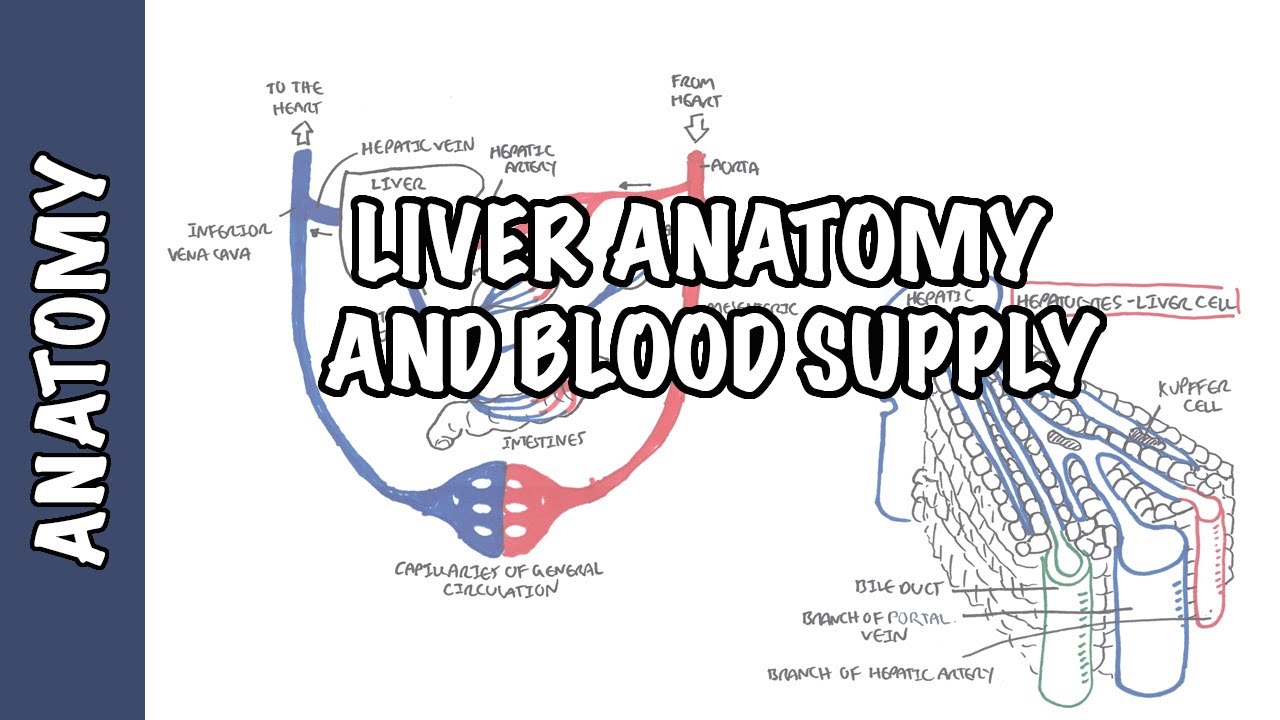


5.0 / 5 (0 votes)
