Products & Their Life Cycles
Summary
TLDRThis video explains the difference between goods and services, highlighting that both fulfill human needs and can be evaluated ethically. It introduces the product life cycle, detailing five stages—development, introduction, growth, maturity, and decline—and shows how businesses navigate risks, competition, and market saturation at each phase. Using real-world examples like Uber, coffee brands, and digital cameras, it illustrates how products evolve, become obsolete, and are replaced. The video emphasizes that understanding the product life cycle reveals the hidden forces shaping consumer behavior and market trends, guiding companies to innovate and stay competitive in a constantly changing economy.
Takeaways
- 📦 Goods are tangible items you can purchase, own, and take home, like coffee or gelatin.
- 💇 Services are intangible activities or benefits where no physical ownership changes hands, like haircuts.
- 🤝 Both goods and services exist to satisfy human needs and desires.
- ⚖️ Economic transactions can be evaluated based on ethical frameworks, ensuring they benefit society.
- ⏳ Every product and service has a hidden expiration date; no brand or item is immune to obsolescence.
- 📊 The product life cycle consists of five stages: Product Development, Introduction, Growth, Maturity, and Decline.
- 💰 The Product Development phase is high-risk with zero revenue, known as the 'valley of death.'
- 🚀 Growth occurs when consumer acceptance rises, sales skyrocket, and profits surge, attracting competitors.
- 🏆 Maturity brings market saturation, strategic gridlock, and the need for defensive strategies to protect market share.
- 📉 Decline results from shifts in consumer tastes or disruptive technologies, forcing companies to maintain, harvest, or liquidate products.
- 🔄 Companies must proactively innovate or cannibalize their own products to survive and stay relevant.
- 🛒 Daily consumer behaviors, like responding to ads, software updates, and clearance sales, are influenced by the product life cycle.
Q & A
What is the difference between a good and a service in economics?
-A good is a tangible physical item that consumers can purchase and own, such as coffee or cereal, while a service is an intangible activity or benefit, such as a haircut, where no physical ownership is transferred.
Why do goods and services exist according to the script?
-Goods and services exist to fulfill human needs and desires, whether those needs are practical, emotional, or social.
What role does ethics play in market offerings mentioned in the script?
-The script explains that some economic frameworks, such as the Islamic concept of halal, evaluate transactions based on their moral impact, ensuring that products and services benefit society and operate within ethical boundaries.
What is the product life cycle?
-The product life cycle is a framework businesses use to track a product's lifespan through five stages: product development, introduction, growth, maturity, and decline.
Why is the product development stage called the 'valley of death'?
-It is called the 'valley of death' because companies spend significant money developing a product while generating no revenue, making it a highly risky period.
What is the primary goal during the introduction phase of a product?
-The primary goal is to create consumer awareness and encourage trial use, even if it means operating at a financial loss initially.
How did Uber exemplify introduction-stage marketing strategies?
-Uber used aggressive referral programs and free ride promotions to attract early users and rapidly build its customer base.
What happens during the growth stage of the product life cycle?
-During the growth stage, consumer acceptance increases rapidly, sales rise sharply, profits grow, and competitors begin entering the market with similar products.
Why must companies innovate during the growth stage?
-Companies must add features and improve quality to defend against competitors and prevent customers from switching to rival brands.
What characterizes the maturity stage of a product?
-The maturity stage is marked by market saturation, slower sales growth, intense competition, price cuts, heavy advertising, and efforts to maintain market share.
Why do brands introduce unusual product variations during maturity?
-Brands introduce unusual variations, such as unique flavors, to create novelty and revive consumer interest in aging products.
What factors typically trigger the decline stage?
-The decline stage is usually triggered by changes in consumer preferences, market saturation, or disruptive new technologies.
What options do companies have during the decline stage?
-Companies can maintain the product and hope competitors exit first, harvest profits by reducing costs, or liquidate the product entirely.
What does it mean for a company to cannibalize its own product?
-It means introducing a new product that may replace or reduce sales of its existing product in order to stay competitive and adapt to market changes.
How did digital cameras impact the photography industry?
-Digital cameras disrupted and largely replaced the physical film industry, causing long-established film companies to lose dominance.
Why did some early mobile communication companies fail?
-They failed because they did not adapt quickly enough to new technologies and changing consumer expectations during the market transition.
How does the product life cycle influence everyday consumer behavior?
-It shapes advertising, software updates, product launches, and clearance sales, constantly encouraging consumers to adopt newer products.
Why is understanding the product life cycle important for businesses?
-Understanding the product life cycle helps businesses make strategic decisions about marketing, innovation, pricing, and product replacement before products become obsolete.
Outlines

This section is available to paid users only. Please upgrade to access this part.
Upgrade NowMindmap

This section is available to paid users only. Please upgrade to access this part.
Upgrade NowKeywords

This section is available to paid users only. Please upgrade to access this part.
Upgrade NowHighlights

This section is available to paid users only. Please upgrade to access this part.
Upgrade NowTranscripts

This section is available to paid users only. Please upgrade to access this part.
Upgrade NowBrowse More Related Video

Kebutuhan Manusia (Faktor Yang Mempengaruhi Kebutuhan & Alat Pemuas Kebutuhan) IPS Kelas 7
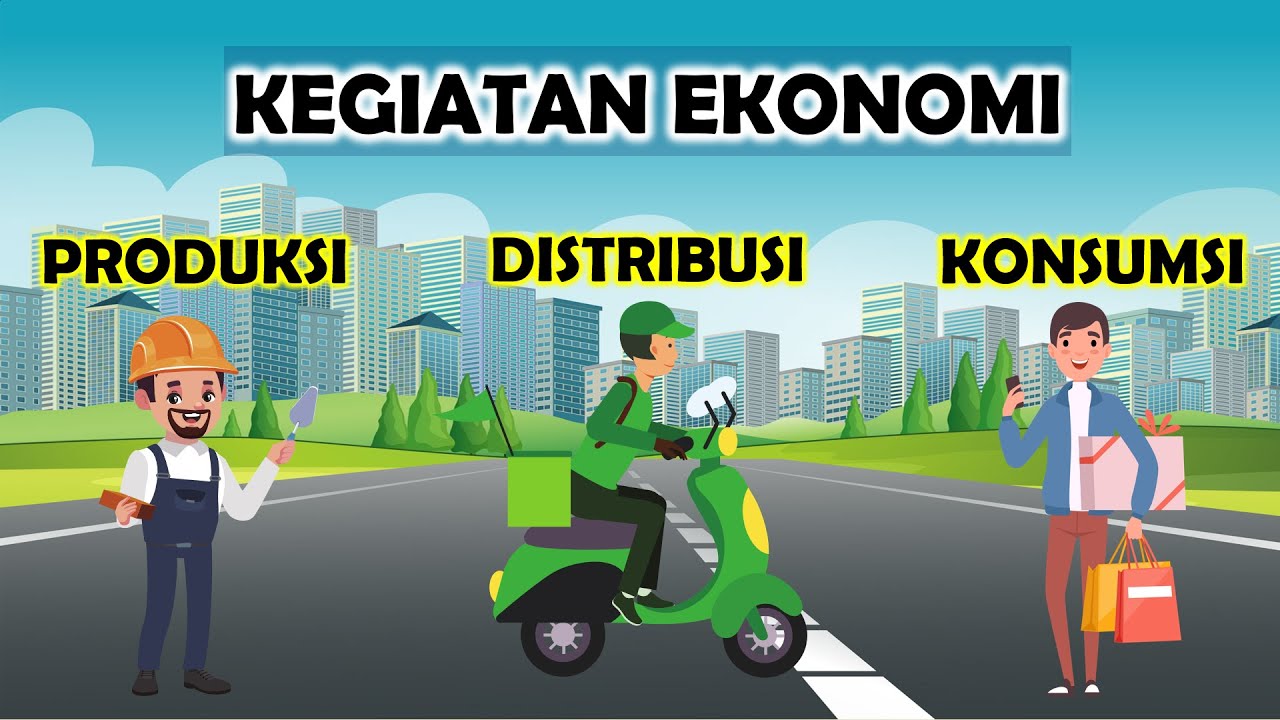
KEGIATAN EKONOMI || PRODUKSI-DISTRIBUSI-KONSUMSI

Alat Pemuas Kebutuhan (versi 1) I Ekonomi Kelas 10 - KHATULISTIWA STUDIO

Economic Activities

Alat Pemuas Kebutuhan (versi 2) I Ekonomi Kelas 10 - KHATULISTIWA STUDIO

Goods and Services
5.0 / 5 (0 votes)
