Dampak Pemanasan Global Fisika SMA Kelas 10 Kurikulum Merdeka
Summary
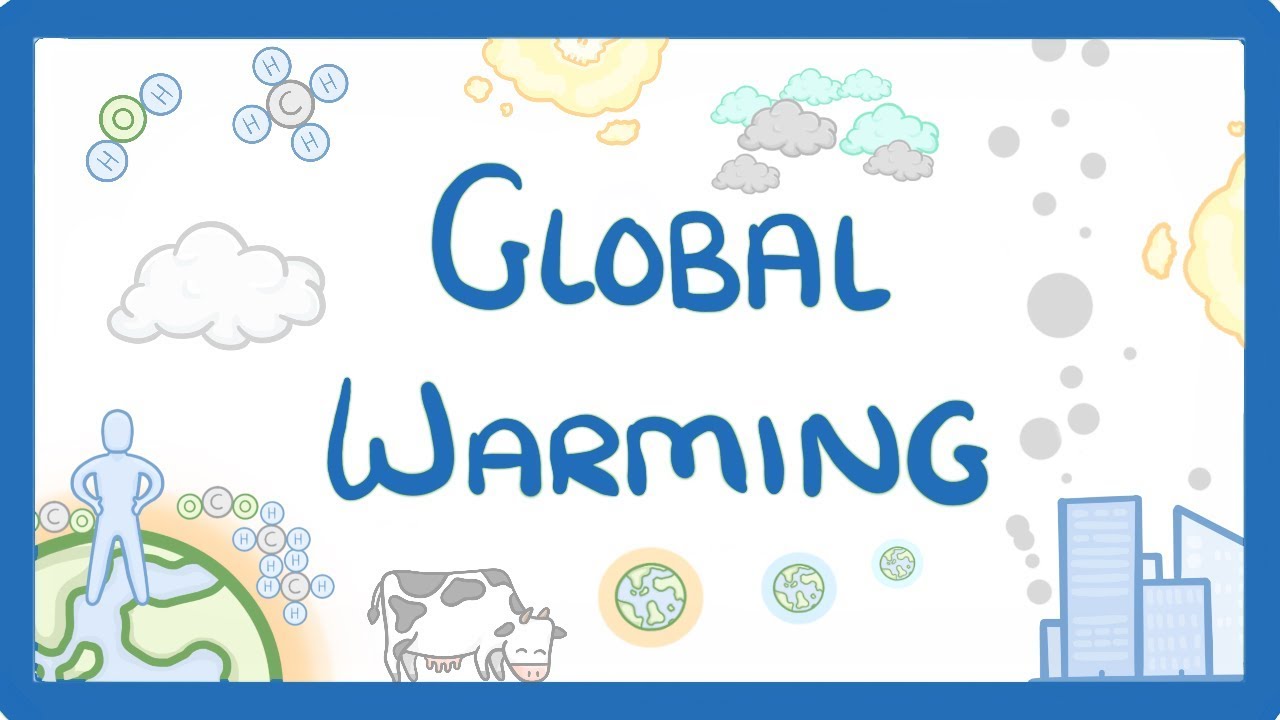
TLDRThis educational video for 10th-grade physics explores the impacts of global warming, highlighting its role in climate change and extreme weather events. Using examples from Indonesia and the Philippines, it explains how rising temperatures lead to sea-level rise, coastal flooding, melting glaciers, and the destruction of ecosystems such as mangroves. The video also covers broader consequences, including forest fires, threats to cultural heritage, shrinking polar habitats, and the spread of diseases like malaria and dengue. Emphasizing the urgent need for environmental stewardship, the lesson encourages viewers to take action to protect the planet and mitigate the severe effects of climate change.
Takeaways
- 🌍 Global warming is causing significant climate change around the world, including extreme heat and unpredictable rainfall patterns.
- 🌡️ Indonesia is experiencing serious climate impacts such as rising temperatures, changing weather, and irregular climate conditions.
- 🌊 Coastal flooding, known as tidal flooding or 'banjir rob,' has severely affected cities like Semarang and Jakarta due to rising sea levels.
- 🏘️ Tidal floods disrupt the economy and daily lives of coastal communities by damaging homes, businesses, and infrastructure.
- 🌪️ Climate change also contributes to extreme weather events in other countries, such as Typhoon Megi in the Philippines.
- 🧊 Rising global temperatures are accelerating the melting of glaciers and polar ice sheets in Greenland and Antarctica.
- 📈 Scientists predict that sea levels could rise by up to one meter by the year 2100 if greenhouse gas emissions are not reduced.
- 🌱 Rising sea levels and climate change threaten mangrove ecosystems, causing coastal erosion and damaging aquaculture activities.
- 🌧️ Climate variability phenomena such as El Niño and La Niña have serious effects on agriculture, health, and the economy in Indonesia.
- 🔥 One major consequence of global warming is the increased occurrence of massive forest fires.
- 🏛️ Extreme temperatures can endanger historical and archaeological sites, including temples and ancient artifacts.
- 🐻 Melting Arctic ice threatens the habitat and survival of polar bears and other cold-region wildlife.
- 🦟 Climate change increases the spread of diseases such as malaria and dengue fever.
- 🤝 Humans are encouraged to protect and preserve the Earth to reduce the harmful impacts of global warming and climate change.
Q & A
What is the main topic discussed in the video?
-The video discusses the impacts of global warming (pemanasan global), including environmental, social, and economic consequences.
How has global warming affected Indonesia's climate recently?
-Indonesia has experienced extreme heat, unpredictable rainfall, and an increased frequency of coastal flooding, such as rob floods in Semarang and Jakarta.
What are some examples of climate-related disasters mentioned in Indonesia?
-Examples include the Semarang rob flood on July 18, 2022, and the Jakarta rob flood on May 30, 2016. Other coastal cities like Probolinggo have also been affected.
What impact do rising sea levels have on coastal communities?
-Rising sea levels cause flooding, damage to homes and infrastructure, disrupt local economies, erode coastlines, and threaten aquaculture and mangrove ecosystems.
What causes the rise in global sea levels?
-Sea levels rise due to the melting of glaciers and ice sheets in Greenland and Antarctica, as well as the thermal expansion of ocean water caused by higher temperatures.
How might global sea levels change by 2100 if greenhouse gas emissions are not reduced?
-Scientists estimate that sea levels could rise up to one meter by 2100 if greenhouse gas emissions are not mitigated.
What are some global examples of disasters caused by climate change?
-The video mentions the Philippines experiencing Typhoon Megi on April 12, 2012, which caused widespread destruction, disrupted local economies, and resulted in human and property losses.
Which ecosystems are particularly threatened by global warming?
-Mangrove forests are threatened by rising sea levels and coastal erosion, and polar bear habitats are endangered due to melting ice in the Arctic.
What are some indirect impacts of climate change on human society?
-Indirect impacts include reduced agricultural productivity, health risks from diseases like malaria and dengue, damage to cultural heritage sites, and economic disruption in coastal regions.
How does global warming affect temperatures in different parts of the world?
-Global warming causes higher temperatures in the Northern Hemisphere, leading to ice melting and regional climate changes, which affect ecosystems and sea levels.
Why is it important for people to take action against global warming?
-Taking action is essential to protect ecosystems, preserve livelihoods, reduce disaster risks, and maintain a sustainable environment for future generations.
What natural phenomena in Indonesia are influenced by climate variability such as El Niño and La Niña?
-Phenomena influenced include changes in rainfall patterns, higher likelihood of floods and droughts, and disruptions in agricultural cycles.
Outlines

This section is available to paid users only. Please upgrade to access this part.
Upgrade NowMindmap

This section is available to paid users only. Please upgrade to access this part.
Upgrade NowKeywords

This section is available to paid users only. Please upgrade to access this part.
Upgrade NowHighlights

This section is available to paid users only. Please upgrade to access this part.
Upgrade NowTranscripts

This section is available to paid users only. Please upgrade to access this part.
Upgrade NowBrowse More Related Video




5.0 / 5 (0 votes)
