13-anyos na batang nakagat ng aso, patay dahil sa rabies! | Pinoy MD
Summary
TLDRThe video highlights the urgent issue of rabies in the Philippines, emphasizing its deadly yet preventable nature. It follows the tragic story of a young child, Jamaica, who contracted rabies after being bitten by a pet dog, underscoring the importance of immediate medical attention and vaccination. Experts stress washing wounds, prompt hospital visits, and completing the anti-rabies vaccine series. The report also covers government-led initiatives like local animal vaccination programs to control the disease at its source. Viewers are reminded to vaccinate pets, educate children about reporting bites, and take rabies seriously to protect both humans and animals.
Takeaways
- 🦠 Rabies is a viral infection transmitted through the bite or scratch of infected animals, mainly dogs and cats, and is 100% fatal once it reaches the brain.
- 🏥 San Lazaro Hospital has seen a significant increase in people seeking free anti-rabies vaccination due to rabies-related deaths and news reports.
- 👶 A tragic case highlighted in the video involved a 1-year-old named Jamaica who contracted rabies from a dog bite and eventually passed away.
- ⏳ Rabies has an incubation period that can last weeks to months before symptoms such as fever, weakness, confusion, insomnia, and hydrophobia appear.
- 🧼 Immediate first aid after an animal bite includes thoroughly washing the wound with soap and water, but this alone is not enough to prevent infection.
- 💉 Vaccination is crucial and must be completed according to medical guidelines; home remedies like garlic are ineffective against rabies.
- 🐕 Pets should receive yearly anti-rabies vaccinations as mandated by Republic Act 9482 (Anti-Rabies Act of 2007), and pet owners are responsible for preventing their animals from roaming freely.
- 🏘️ Local government units (LGUs) like Taguig City conduct systematic, house-to-house anti-rabies vaccination programs to protect both animals and residents.
- 📊 According to the Department of Health, as of September 2024, there have been at least 54 confirmed rabies cases in the Philippines.
- 📣 Parents and guardians should educate children to immediately report any animal bite or scratch and seek medical attention without delay.
- 🌍 Rabies is a zoonotic disease, emphasizing the interconnectedness of human, animal, and environmental health, and highlighting the importance of community-wide prevention efforts.
Q & A
What is rabies and how is it transmitted to humans?
-Rabies is a viral infection that affects the central nervous system. It is primarily transmitted to humans through bites or scratches from infected animals, commonly dogs and cats.
Why is immediate action important after being bitten or scratched by an animal?
-Immediate action is critical because rabies is almost always fatal once symptoms reach the brain. Washing the wound with soap and water and getting vaccinated as soon as possible can prevent the virus from progressing.
What are some early symptoms of rabies in humans?
-Early symptoms of rabies include headache, fever, general weakness, and pain at the site of the bite. As the disease progresses, symptoms can include confusion, insomnia, fear of water (hydrophobia), and agitation.
What is the incubation period for rabies?
-The incubation period for rabies is usually one to three months, but it can vary from days to several months depending on the location of the bite and the amount of virus introduced.
Is home treatment with garlic or other remedies effective against rabies?
-No, home remedies such as applying garlic are ineffective against rabies. Only proper wound care and timely vaccination can prevent the disease from becoming fatal.
What is the role of anti-rabies vaccination for humans?
-Anti-rabies vaccination after exposure is crucial to prevent the virus from reaching the central nervous system. Completing the full vaccination schedule is necessary for full protection.
What measures can pet owners take to prevent rabies in their animals?
-Pet owners should ensure that their dogs and cats are vaccinated against rabies annually. Additionally, they should prevent their pets from roaming freely to reduce the risk of exposure to rabid animals.
How does the government support rabies prevention?
-Local governments conduct house-to-house vaccination campaigns and provide free anti-rabies vaccines to the public. These programs aim to eradicate rabies at its source and protect both animals and humans.
What social responsibilities do pet owners have regarding rabies prevention?
-Pet owners are legally and socially responsible for vaccinating their animals and preventing them from roaming freely. This helps protect the community from rabies transmission.
What lesson did the story of Jamaica convey to parents and caregivers?
-The story highlights the importance of not ignoring animal bites or scratches. Parents and caregivers should teach children to report any bite immediately and seek medical attention without delay.
Why are rabies cases still reported despite vaccination programs?
-Rabies cases can still occur due to unvaccinated pets, delayed treatment after exposure, or lack of awareness. Continuous public education and proper vaccination are essential to prevent these cases.
Outlines

This section is available to paid users only. Please upgrade to access this part.
Upgrade NowMindmap

This section is available to paid users only. Please upgrade to access this part.
Upgrade NowKeywords

This section is available to paid users only. Please upgrade to access this part.
Upgrade NowHighlights

This section is available to paid users only. Please upgrade to access this part.
Upgrade NowTranscripts

This section is available to paid users only. Please upgrade to access this part.
Upgrade NowBrowse More Related Video

Babae, namatay nitong Linggo dahil sa rabies; nakagat ng aso noon pang Marso | Unang Balita
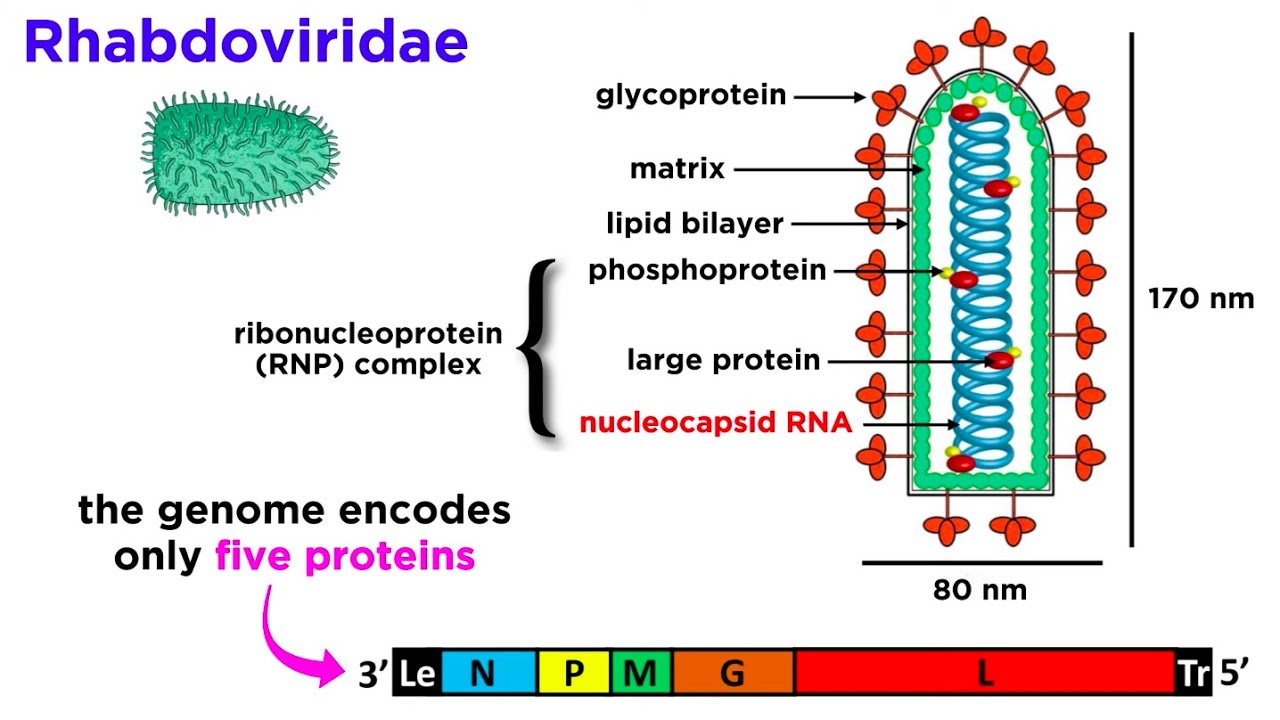
Rabies (Genus Lyssavirus)

Rabies Virus Animation : Pathogenesis, Clinical manifestations, Diagnosis & Treatment | USMLE Step 1

A VOLTA PREOCUPANTE DO VÍRUS MAIS LETAL DO MUNDO | Vírus da Raiva

FEU Public Intellectual Lecture Series | Leah Guerrero | Part 1

The Deadliest Virus on Earth
5.0 / 5 (0 votes)
