Materi PAI Kls 8 Bab 9 Menjadi Pribadi Dipercaya Terhindar dari Riba, Jual Beli Hutang Piutang
Summary
TLDRThis video lesson, presented by Irham Nasucian, S.PdI, covers key principles of Islamic transactions, including buying and selling, debt, and the prohibition of usury (riba). It explains the definitions, conditions, and rules for lawful transactions, with a focus on fairness, honesty, and trust. The video explores various types of transactions such as online shopping, credit purchases, and banking, highlighting the importance of avoiding fraudulent practices and riba. The lesson emphasizes core values like honesty, responsibility, and trust in business dealings, offering insight into how Islamic teachings apply to modern commerce.
Takeaways
- 😀 Trade (buying and selling) in Islam is allowed (mubah) but must follow clear rules and avoid riba (usury).
- 😀 The Arabic term for trade, 'albaiu', means exchanging or giving something, and in Islamic terms, it refers to exchanging goods or money with mutual consent.
- 😀 Conditions of a valid trade include having a sane and willing buyer and seller, ownership and clarity of goods or services, and mutual agreement (ijab and qabul).
- 😀 Khiar (option to choose) allows parties to continue or cancel a transaction, with three types: khiar majelis, khiar syarat, and khiar ‘aib (for defective goods).
- 😀 Debt in Islam has two types: 'dain' (arising from business transactions) and 'qard' (pure loan for helping others), both are permissible under certain conditions.
- 😀 Conditions for debt include clear agreement on the amount, the debtor and creditor being sane and willing, and avoiding conditions that create riba.
- 😀 Riba (usury) is strictly forbidden; it refers to extra charges in financial transactions, either from delayed payment (riba nasiah) or unequal exchange of similar goods (riba fadl).
- 😀 Modern online trading is allowed if it is transparent, honest, and fulfills Islamic contract requirements, avoiding fraud and riba.
- 😀 Credit purchases are generally permissible if the price includes installments as part of the product cost rather than as interest on a loan.
- 😀 Opinions on bank interest vary: some view it as haram (riba), some as halal (profit-sharing), and some as doubtful (subhat), depending on interpretation.
- 😀 Core Islamic values in trade and finance include honesty, responsibility, and trustworthiness, which ensure fairness and smooth cooperation in business.
Q & A
What is the definition of 'jual beli' in Islamic terms?
-'Jual beli' refers to the exchange of goods or money for goods in a specified manner, where both parties agree on the terms and conditions of the transaction.
What does the term 'ijab' and 'qabul' mean in the context of a transaction?
-Ijab and qabul refer to the mutual agreement between the buyer and seller. Ijab is the offer made by the seller, and qabul is the acceptance made by the buyer, forming the basis of the contract.
What is the significance of the Quranic verse quoted in the script regarding 'jual beli' and 'riba'?
-The Quranic verse (Al-Baqarah 275) emphasizes that Allah has made 'jual beli' (trade) permissible and has forbidden 'riba' (interest or usury). This reinforces the importance of engaging in ethical and just financial transactions.
What are the three types of 'khiar' mentioned in the script?
-The three types of 'khiar' are: 1) Khiar majelis (the right to choose whether to proceed or cancel the transaction while both parties are still present), 2) Khiar syarat (the right to choose within a specific period, such as three days), and 3) Khiar ib (the buyer's right to return the goods or request a price reduction if defects are discovered).
What is the difference between 'dain' and 'qard' in Islamic finance?
-'Dain' refers to a debt arising from a business transaction (such as buying goods on credit), while 'qard' is a loan given to help someone without expecting a return, typically for humanitarian reasons.
What makes 'riba' forbidden in Islamic law?
-'Riba' is prohibited in Islam because it involves earning money from money without providing any real goods or services, which leads to exploitation and unfair financial gain. The Quran explicitly forbids it.
What are the two main types of 'riba' discussed in the script?
-The two main types of 'riba' are: 1) Riba nasiah (interest or additional charges due to delay in repayment), and 2) Riba fadl (unfair exchange of similar goods, such as trading different qualities of the same item with unequal measurements).
How does online buying and selling relate to Islamic principles of trade?
-Online buying and selling is permissible in Islam as long as it meets the conditions of clear and honest transactions, where the goods are accurately described and the agreement is made with integrity. It should avoid fraud, gambling, and interest.
What is the ruling on 'bunga bank' (bank interest) in Islamic finance?
-The Islamic ruling on 'bunga bank' is divided into three opinions: 1) It is haram (forbidden) because it is considered 'riba', 2) It is halal (permissible) because it is viewed as a form of profit-sharing or business investment, and 3) It is 'subhat' (doubtful) and depends on specific conditions.
What are the core values that should guide financial transactions in Islam?
-The core values include honesty, responsibility, and trustworthiness. Financial transactions should be conducted with transparency, ensuring all terms are clear from the beginning to prevent fraud and ensure the parties fulfill their obligations.
Outlines

This section is available to paid users only. Please upgrade to access this part.
Upgrade NowMindmap

This section is available to paid users only. Please upgrade to access this part.
Upgrade NowKeywords

This section is available to paid users only. Please upgrade to access this part.
Upgrade NowHighlights

This section is available to paid users only. Please upgrade to access this part.
Upgrade NowTranscripts

This section is available to paid users only. Please upgrade to access this part.
Upgrade NowBrowse More Related Video
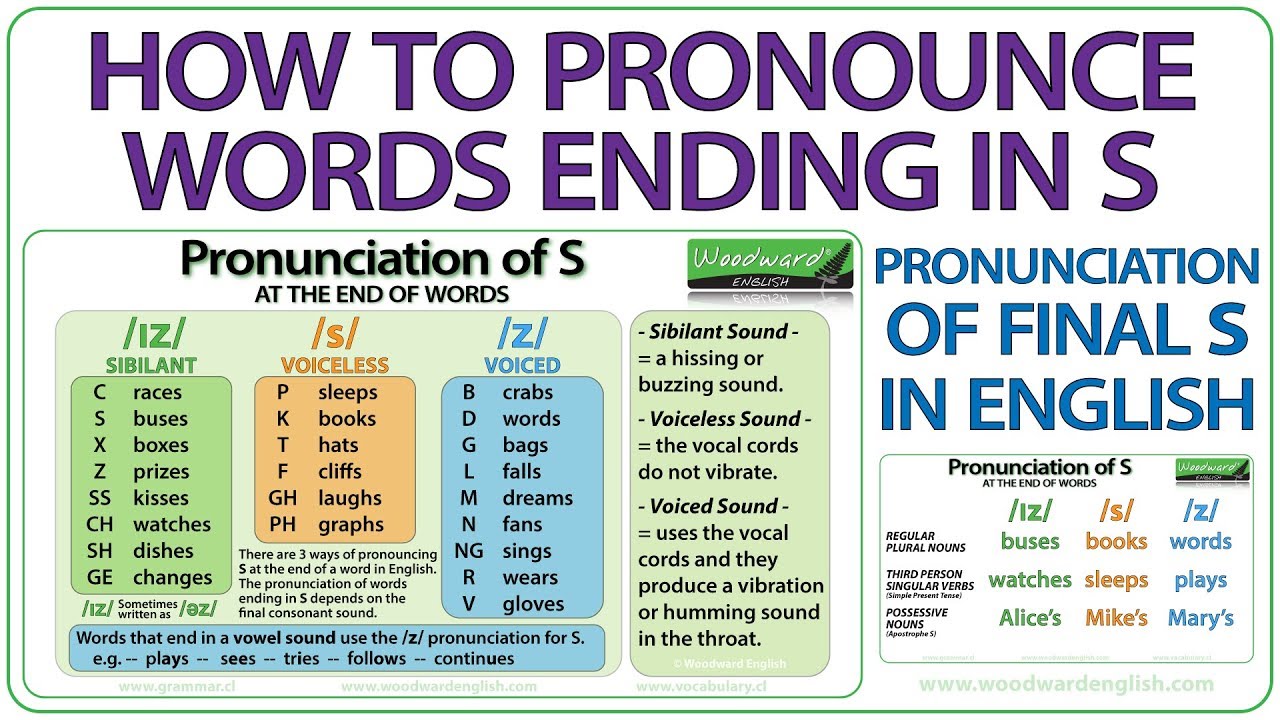
How to pronounce words ending in S - Pronunciation of final S in English
IDE BISNIS ini Cuan Hingga 14,6 Juta Dalam Sehari, Hanya Jual Es Coklat dan Roti! ES COKLAT IMPIAN
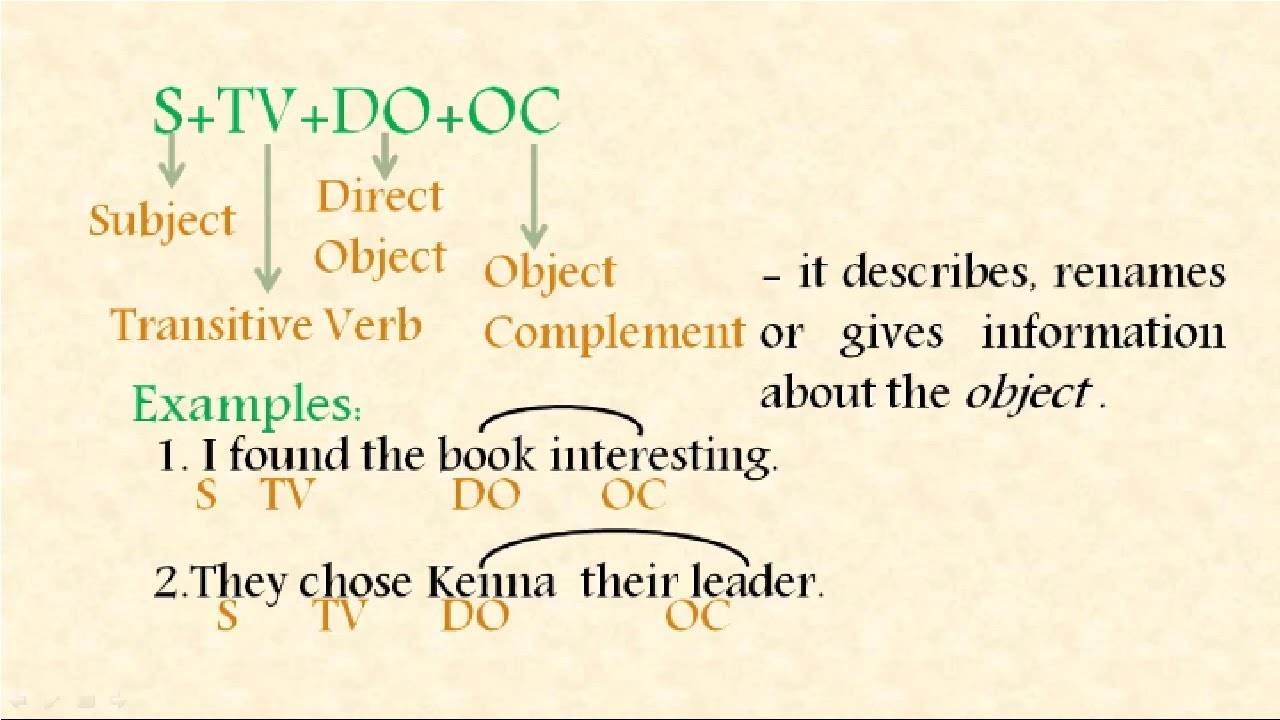
The Five Basic Sentence Patterns in English
English Pronunciation | The Letter S | 5 Ways to Pronounce S in English!

ARM7 Pipelining: 3 Stage Pipelining, Issues, and Overview | ARM 7

Mulok Bahasa Kutai: Pronomina atau Kata Ganti dalam Bahasa Kutai
5.0 / 5 (0 votes)
