Ch 19 Mod 64 Sticky Notes ced 2021
Summary
TLDRChapter 19, Module 64 explores the impacts of climate change, from melting glaciers and thawing permafrost to rising sea levels and warming oceans. The video highlights positive feedback loops that accelerate warming, disruptions to ecosystems, and threats to human health and agriculture. It examines the consequences for coastal populations, ocean currents, and extreme weather events like hurricanes. International efforts such as the Kyoto Protocol and Paris Climate Agreement are discussed, along with strategies to reduce atmospheric CO₂ through carbon capture, sequestration, cap-and-trade, and offsets. The module emphasizes the urgency of addressing climate change to protect both natural and human systems.
Takeaways
- 😀 Glaciers are melting at an accelerated rate, and evidence from decades of photographs shows significant retreat, especially in places like Glacier National Park.
- 😀 The melting of ice reduces Earth's albedo, which is the ability to reflect heat back into space, creating a positive feedback loop that further warms the planet.
- 😀 Permafrost is thawing, releasing trapped methane, a potent greenhouse gas, which further accelerates climate change in a positive feedback loop.
- 😀 Sea level rise is primarily due to thermal expansion of water and the melting of glaciers and ice sheets in Greenland and Antarctica.
- 😀 Sea level rise poses a major risk to coastal populations, requiring relocation or costly ongoing repairs to infrastructure.
- 😀 Increased flooding, saltwater intrusion into freshwater sources, and damage from storms are some of the consequences of rising sea levels.
- 😀 The Maldives, being an island nation at very low elevation, faces the risk of disappearing entirely due to sea level rise, leading to displacement of its population.
- 😀 Warming oceans lead to the death of coral reefs through coral bleaching, disrupting marine ecosystems and the species that depend on them.
- 😀 Ocean currents, including the Gulf Stream, are vital for regulating temperature and weather patterns; disruptions to these currents can cause drastic changes in climate, particularly in Northern Europe.
- 😀 Climate change will result in more frequent and severe weather events, including heatwaves, droughts, and storms, leading to economic and health impacts like respiratory problems and increased spread of tropical diseases.
Q & A
What is the primary focus of Chapter 19, Module 64?
-The module focuses on the consequences of climate change, examining both current impacts and future projections, including effects on glaciers, sea levels, ecosystems, weather patterns, and human health.
How does glacier melting contribute to a positive feedback loop in climate change?
-When glaciers melt, the Earth's albedo decreases because ice reflects heat. Less reflection leads to more heat absorption, which raises temperatures further, causing more ice to melt and continuing the cycle.
What is permafrost and why is its melting concerning?
-Permafrost is ground that remains frozen year-round. Its melting releases trapped methane, a potent greenhouse gas, which further warms the climate and accelerates permafrost thawing, creating another positive feedback loop.
What are the main contributors to sea level rise according to the module?
-Sea level rise comes from thermal expansion of warming water (about 39%) and melting glaciers and ice sheets in Greenland and Antarctica.
How does ocean warming affect marine life and ecosystems?
-Ocean warming can force marine species to migrate to cooler waters, alter migration patterns, affect metabolic and reproductive functions, and cause coral bleaching due to the death of symbiotic algae.
Why is the Gulf Stream important for climate, and what happens if it is disrupted?
-The Gulf Stream transports warm water and affects regional climates, particularly in northern Europe. Disruption of this current can lead to colder climates in Europe and altered weather patterns globally.
What are some health impacts of climate change mentioned in the module?
-Health impacts include respiratory issues from air pollution, heatstroke, death from heat waves, increased spread of tropical diseases like malaria, West Nile virus, and Zika, and drowning during extreme weather events.
What is the Kyoto Protocol and why didn't the United States sign it?
-The Kyoto Protocol (1997) was the first international treaty aimed at reducing greenhouse gas emissions. The U.S. did not sign because it exempted developing nations like China and India, which the U.S. considered unfair given its high per capita emissions.
How does the Paris Climate Agreement differ from the Kyoto Protocol?
-The Paris Climate Agreement (2016) is legally binding and requires all participating countries, not just developed ones, to reduce emissions with the goal of limiting global warming to below 2°C.
What are some methods to reduce atmospheric CO2 discussed in the module?
-Methods include carbon capture, which captures CO2 from sources like coal plants, carbon sequestration through planting forests, cap and trade systems that limit emissions, and carbon offsets to compensate for emissions.
How does climate change influence hurricanes and storm intensity?
-Higher sea levels increase storm surges, and warmer ocean waters provide more energy to hurricanes, making them stronger, longer-lasting, and more destructive.
What are some potential societal impacts of rising sea levels?
-Rising sea levels can force populations to relocate, increase flooding during high tides and storms, and contaminate freshwater aquifers with saltwater, affecting water supply and infrastructure.
Outlines

This section is available to paid users only. Please upgrade to access this part.
Upgrade NowMindmap

This section is available to paid users only. Please upgrade to access this part.
Upgrade NowKeywords

This section is available to paid users only. Please upgrade to access this part.
Upgrade NowHighlights

This section is available to paid users only. Please upgrade to access this part.
Upgrade NowTranscripts

This section is available to paid users only. Please upgrade to access this part.
Upgrade NowBrowse More Related Video

Global Impacts of Climate Change

How are Earth's global temperatures measured? And why is it getting warmer?

Climate 101: Glaciers | National Geographic
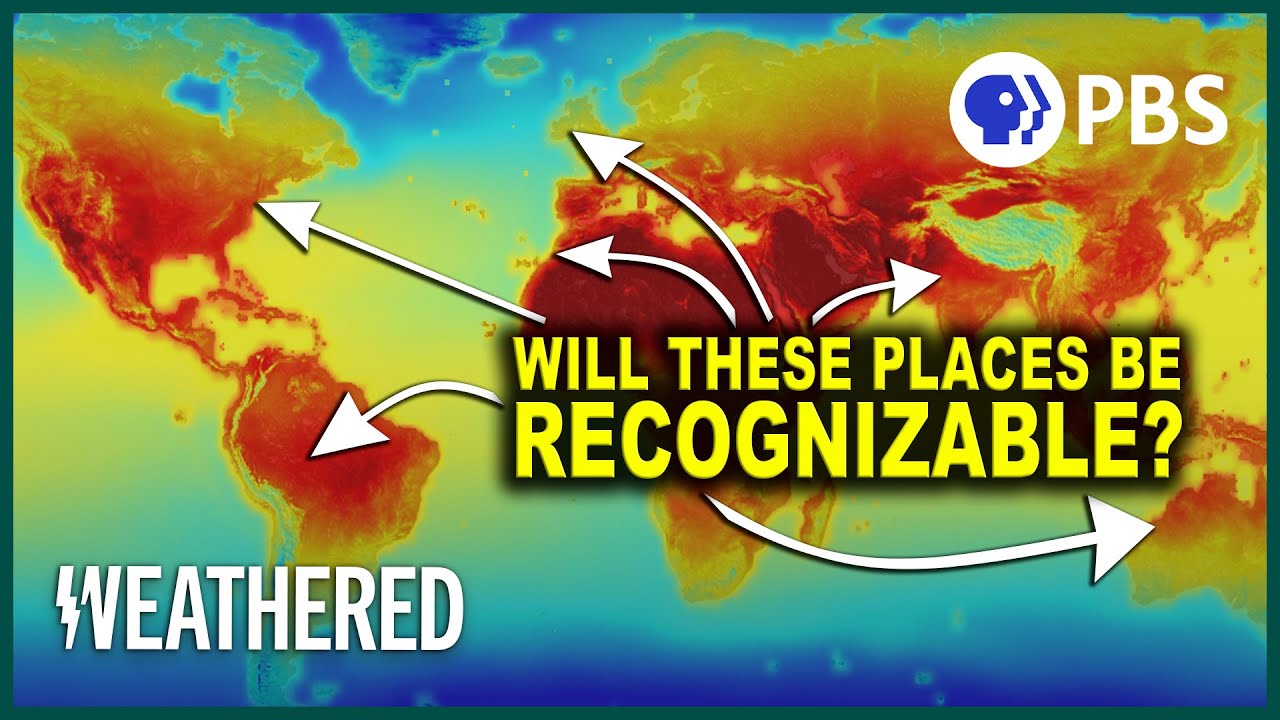
What Will Earth Look Like When These 6 Tipping Points Hit?

Perubahan Iklim dan Pemanasan Global - Animasi

Climate change | Ozone Layer Depletion | Earth In Danger | Muhammad Bilal
5.0 / 5 (0 votes)
