Sistem Politik Indonesia || Kuliah Online || Dadang Rusdiana
Summary
TLDRThis lecture provides an in-depth exploration of the Indonesian political system, focusing on the concepts of political input and output as outlined by Gabriel Almond. The discussion covers key topics such as political socialization, political recruitment, and interest articulation. Almond's theories on the functions of political systems are applied to real-world examples, including the role of political parties, interest groups, and mass media in shaping public opinion and policy. The lecture also highlights the importance of communication within political structures, stressing how effective communication can ensure stability in a democratic system.
Takeaways
- 😀 Political socialization helps citizens understand their rights and responsibilities within a political system, and is shaped by agents like family, school, and media.
- 😀 Political recruitment involves training individuals to become leaders within political parties, ensuring continuity and leadership succession within these organizations.
- 😀 Articulation of interests refers to how citizens and groups express their needs and demands, typically through political parties or interest groups.
- 😀 Interest aggregation is the process of combining various demands into policy alternatives, often formulated by political parties or advocacy groups.
- 😀 Political communication is crucial for maintaining stability within a political system, involving both vertical (elite-to-citizen) and horizontal (citizen-to-citizen) channels.
- 😀 The output of a political system includes rule-making (law creation), rule application (law enforcement), and rule adjudication (interpreting laws to ensure alignment with the constitution).
- 😀 Rule-making in Indonesia involves the creation of laws by the People's Representative Council (DPR) and the president, while rule application is carried out by the executive branch.
- 😀 Rule adjudication, handled by the Constitutional Court, ensures that laws are in line with the Constitution and protects the public's interests.
- 😀 Political recruitment is important for ensuring a steady flow of new leaders, and the presence of celebrities in politics, without political knowledge, can disrupt this process.
- 😀 Interest groups can be classified into four categories: anomic (spontaneous), non-associational (informal community-based), institutional (formal organizations), and associational (professional groups).
- 😀 Mass media and social media play a significant role in shaping public opinion and political views, with social media adding complexity to how political information is disseminated.
Q & A
What is the main focus of the lecture presented in the transcript?
-The lecture focuses on the input and output functions of the political system in Indonesia, as conceptualized by J.B. Almond, including political socialization, recruitment, articulation and aggregation of interests, political communication, and policy implementation.
According to J.B. Almond, what are the main functions of political input?
-The main functions of political input include political socialization and recruitment, articulation of interests, aggregation of interests, and political communication.
What does political socialization entail?
-Political socialization is the process by which citizens acquire political attitudes, behaviors, and knowledge, enabling them to understand their rights and responsibilities. It involves passing political values from one generation to the next.
Who are the main agents of political socialization according to Almond?
-The main agents include the family, schools, peer groups, workplaces, mass media, and direct political contacts with leaders or influential figures.
How does political recruitment occur within a political system?
-Political recruitment involves individuals progressing from being party sympathizers to becoming members, receiving education and training, and eventually becoming cadres and potential leaders within the party or political organization.
What are the types of interest groups mentioned in the lecture?
-The types include anomic interest groups (spontaneous), non-associational groups (informal, voluntary), institutional groups (formal, well-organized), and associational groups (organized and professional, e.g., Ikatan Dokter Indonesia).
What is the role of political communication in the political system?
-Political communication ensures information flows both vertically (between elites and members) and horizontally (among the public and between elites), fostering understanding of policies, stability, and conflict management.
What are the main components of political output according to Almond?
-Political output consists of rule-making (creation of laws), rule-application (implementation of laws by the executive), and rule-adjudication (judicial review to ensure laws align with public interest and constitutional principles).
How is rule-application carried out in Indonesia?
-Rule-application is carried out by the executive branch, including the president, ministers, and government agencies, translating laws into regulations, policies, and services that directly affect citizens.
What is the purpose of rule-adjudication in the political system?
-Rule-adjudication ensures that laws and regulations do not contradict the constitution or broader public interests. In Indonesia, the Mahkamah Agung (Supreme Court) and Mahkamah Konstitusi (Constitutional Court) handle these reviews.
How do mass media and social media influence political culture and communication?
-Mass media and social media shape public perceptions, provide information about policies, and allow individuals to voice opinions, potentially influencing political behavior and the formation of political culture.
Why is aggregation of interests important in a political system?
-Aggregation of interests combines diverse societal demands into coherent policy alternatives, allowing political institutions and parties to formulate strategies and policies that reflect collective priorities.
Outlines

This section is available to paid users only. Please upgrade to access this part.
Upgrade NowMindmap

This section is available to paid users only. Please upgrade to access this part.
Upgrade NowKeywords

This section is available to paid users only. Please upgrade to access this part.
Upgrade NowHighlights

This section is available to paid users only. Please upgrade to access this part.
Upgrade NowTranscripts

This section is available to paid users only. Please upgrade to access this part.
Upgrade NowBrowse More Related Video
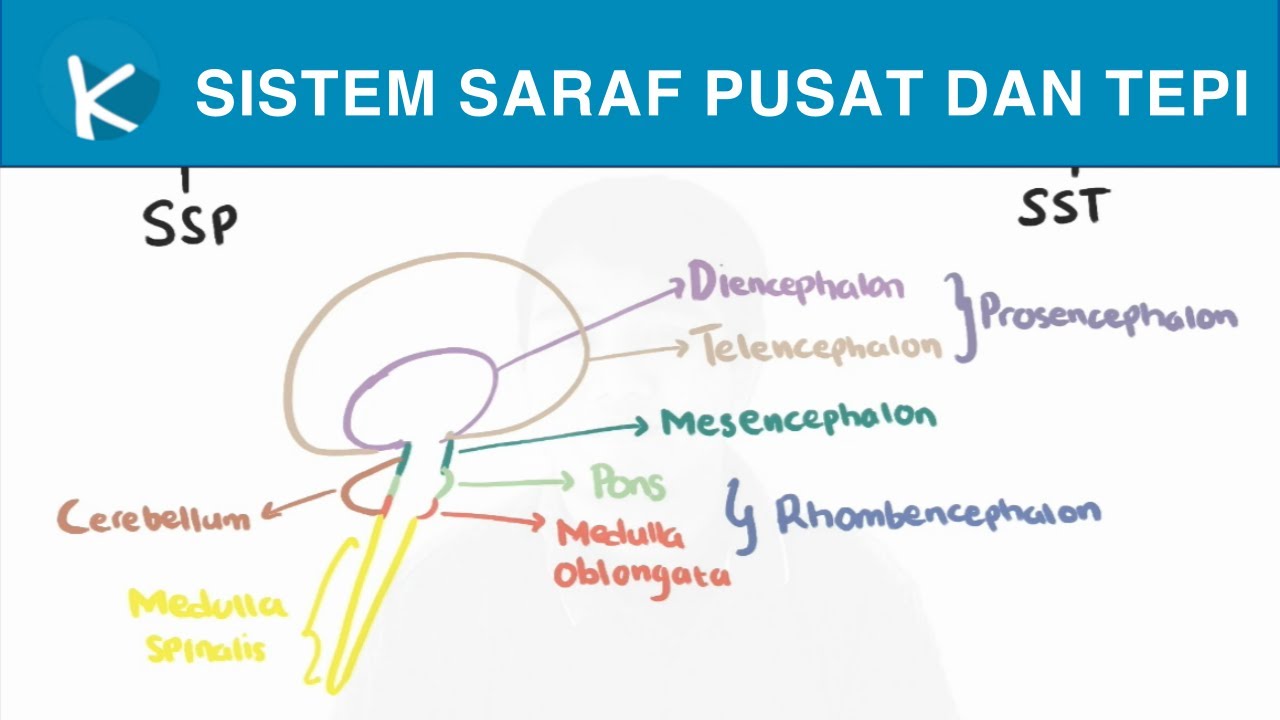
Anatomi Sistem Saraf (1/50) - Sistem Saraf Pusat (SSP) dan Sistem Saraf Tepi (SST)

Transistor Characteristics (CE Transistor) Basic Electronics (BJT) BE/Btech 1st year| in हिन्दी

PIPOL 4 - Model Kotak Hitam dan Bola Lampu

An Approach Comparative Political System Gabriel Almond Part 1

System Response Characteristics
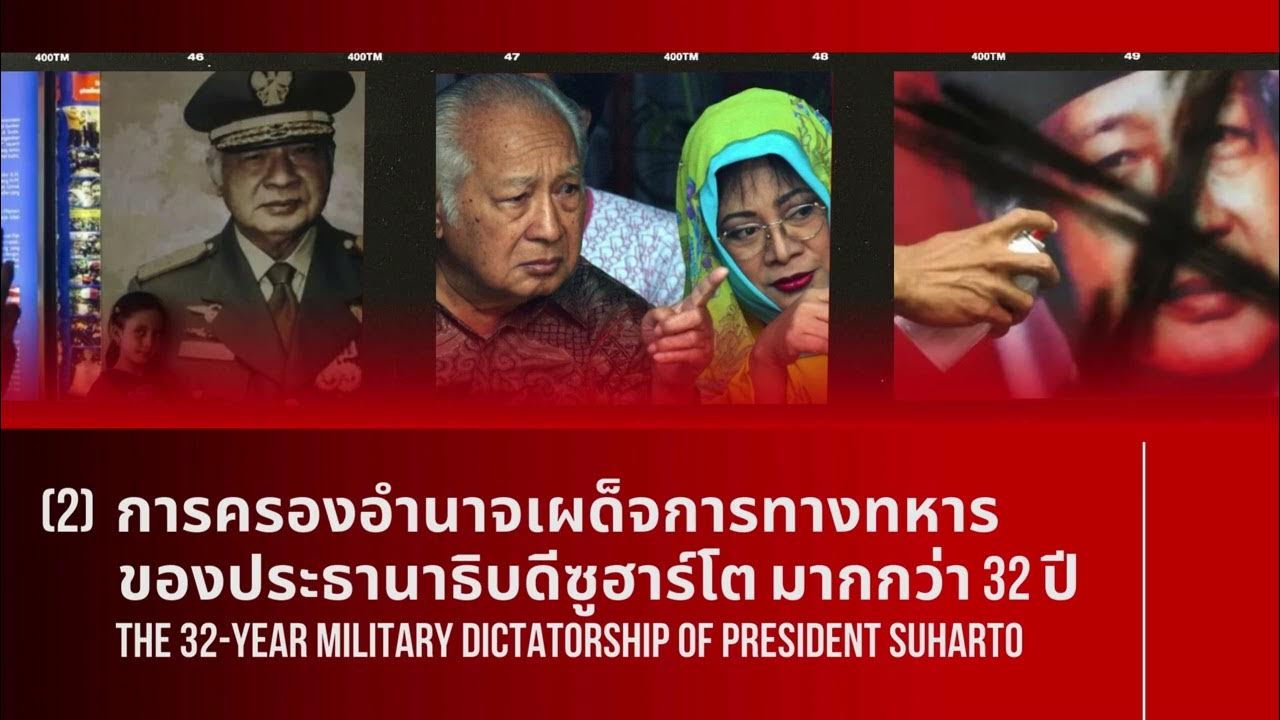
Political System and Governance of Indonesia
5.0 / 5 (0 votes)
