How Indigenous fire management practices could protect bushland | Australian Story
Summary
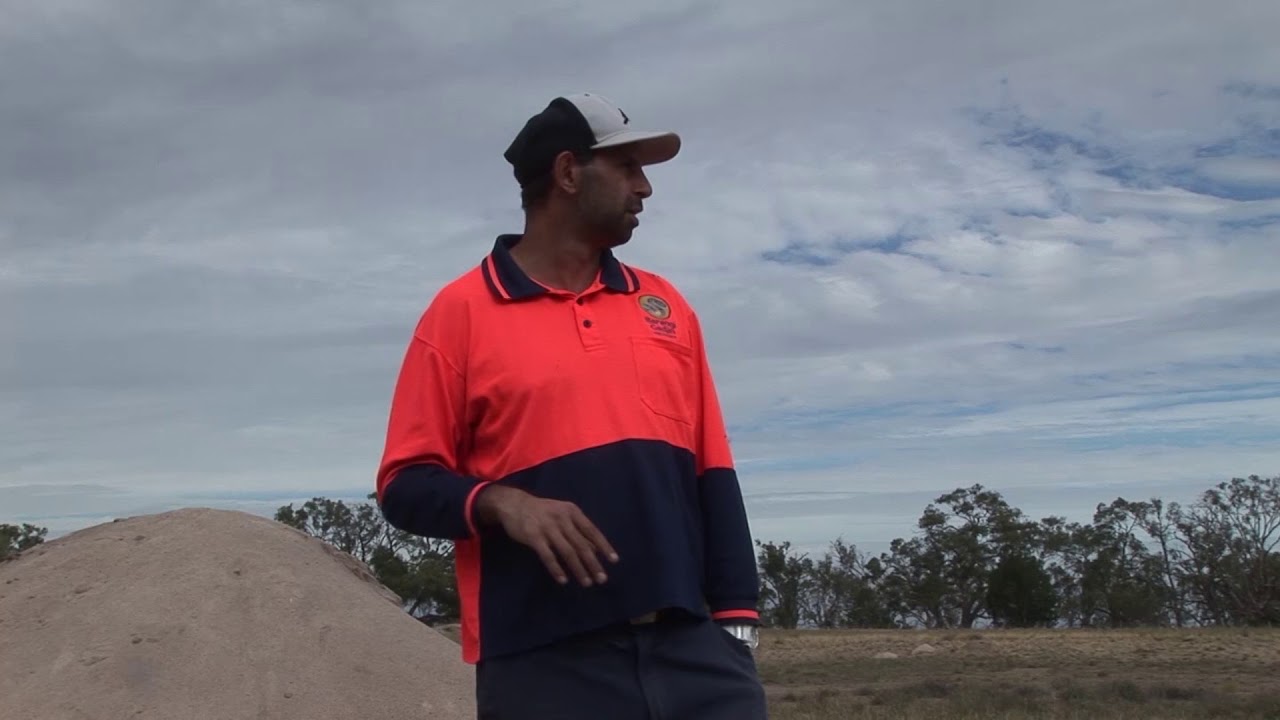
TLDRThe video follows Victor, a cultural fire practitioner, as he shares the importance of traditional Aboriginal fire management in Australia. Through personal stories, Victor illustrates how cultural burning protects landscapes, encourages biodiversity, and sustains native species, contrasting it with destructive modern bushfires. He highlights the knowledge passed down by elders, the challenges of preserving this heritage, and the role of fire in maintaining ecological balance. Victor’s work bridges Indigenous wisdom and contemporary environmental practices, advocating for community involvement, climate adaptation, and the training of future practitioners to ensure these sustainable methods continue to benefit both people and country.
Takeaways
- 🔥 Fire is a natural and essential part of the Australian landscape, supporting new life, protecting trees, and maintaining ecosystem balance.
- 🌱 Cultural burning, guided by Aboriginal knowledge, is low-intensity and carefully timed to benefit native species and vegetation.
- 👨🏫 Victor, as a cultural fire practitioner, has learned traditional fire management from elders and is now sharing this knowledge across communities.
- 🐾 Aboriginal fire management considers animal breeding cycles, ecosystem indicators, and seasonal timing to ensure minimal harm to wildlife.
- 📹 Filmmaking and recording traditional knowledge helped preserve and transmit Aboriginal fire practices accurately for future generations.
- 🏞️ Historical European settlement disrupted traditional fire practices, leading to overgrown landscapes and higher risks of catastrophic bushfires.
- 🌾 Cultural burns encourage native grasses, reduce weeds, and restore ecosystem diversity, showing long-term environmental benefits.
- 👥 Collaboration between Indigenous experts and government agencies or fire services improves fire management outcomes.
- 📚 Traditional knowledge is critical for climate adaptation and could complement scientific hazard reduction strategies to mitigate bushfires.
- 💡 Victor emphasizes training young people as future cultural fire practitioners to continue and expand Indigenous fire stewardship.
- 🏡 Effective fire management protects homes, wildlife, and ecosystems, demonstrating that traditional practices have practical modern applications.
- 🌍 Recognizing and valuing Indigenous knowledge globally can guide sustainable land management and climate resilience strategies.
Q & A
What is the significance of fire in Aboriginal culture as described in the transcript?
-In Aboriginal culture, fire is seen as a necessary and beneficial element of the landscape. It is not only used for managing the land, but also for encouraging new life, promoting food sources, and protecting the environment. Aboriginal fire management focuses on cool, low-intensity fires that support biodiversity and sustain the ecosystem.
How does Victor describe the impact of not understanding fire management?
-Victor highlights that when people disconnect from the land and fail to understand fire, it leads to disastrous outcomes such as uncontrollable wildfires. He emphasizes that traditional fire practices are vital for maintaining a balanced landscape and avoiding catastrophic fires.
What is the main difference between Aboriginal fire management and conventional hazard reduction burns?
-Aboriginal fire management involves cool burns at specific times and locations to promote biodiversity, while conventional hazard reduction burns often involve hotter, large-scale fires that can harm the environment and wildlife. The Aboriginal approach focuses on sustainability and enhancing the health of the land.
What role did George Musgrave and Tommy George play in Victor’s learning?
-George Musgrave and Tommy George were pivotal in Victor's understanding of traditional Aboriginal fire management. They mentored him, passing down knowledge about cultural burning and its importance for managing the land, and trained him to carry on these practices.
What challenge does Victor face in spreading traditional fire knowledge?
-Victor faces the challenge of limited recognition and resources for traditional fire knowledge. Although he has trained people in Aboriginal fire practices, there is a shortage of trained practitioners and a lack of support to implement cultural burning on a larger scale.
How did the old Aboriginal people view the importance of recording their knowledge?
-The old Aboriginal people, particularly George and Tommy, saw the importance of recording their knowledge through modern means, like video cameras. This was seen as a way to preserve and pass down their cultural heritage and fire management techniques accurately.
What did Victor realize about the effectiveness of cultural burning after seeing the results?
-Victor realized that cultural burning was highly effective for land management. Over time, he witnessed a reduction in weeds, a revival of native grasses, and a more balanced ecosystem. These burns helped restore the land and provided significant environmental benefits.
Why did the introduction of European settlers' fire practices negatively impact the land?
-The European settlers’ fire practices, which ignored Aboriginal fire management techniques, led to an imbalance in the land. Settlers stopped using fire to manage the country, resulting in overgrown landscapes with dangerous, dense fuel loads that contributed to devastating bushfires.
What steps have been taken to formalize the recognition of traditional fire management?
-Victor and the community pushed for formal recognition of traditional fire management by collaborating with academic institutions. The elderly fire practitioners, George and Tommy, were awarded honorary doctorates for their contribution to fire knowledge, and their cultural fire management was eventually recognized as a valid and important field of study.
What is Victor's ultimate goal in promoting cultural fire management?
-Victor’s ultimate goal is to ensure that traditional Aboriginal fire knowledge is passed down to future generations. He aims to see widespread adoption of cultural burning practices and hopes to train a new generation of practitioners to care for the land using these ancient techniques.
Outlines

This section is available to paid users only. Please upgrade to access this part.
Upgrade NowMindmap

This section is available to paid users only. Please upgrade to access this part.
Upgrade NowKeywords

This section is available to paid users only. Please upgrade to access this part.
Upgrade NowHighlights

This section is available to paid users only. Please upgrade to access this part.
Upgrade NowTranscripts

This section is available to paid users only. Please upgrade to access this part.
Upgrade NowBrowse More Related Video

How to Traditionally make Fire (BUNI) in Australia

Three things I know about fire management | The Drum

Cultural burning and the Australian landscape
Surveying Gurru (Lake Hindmarsh)

LEADERSHIP vs MANAGEMENT! What's The Difference?

24 ORAS WEEKEND ONLINE EXCLUSIVE AUGUST 04, 2024: Mga apektadong residente ng baha sa Nueva...
5.0 / 5 (0 votes)
