how to make cards for scrapbook | card ideas for scrapbook | crafteholic
Summary
TLDRThis transcript captures a dynamic live performance, filled with musical interludes and applause. The recurring music cues indicate a highly energetic atmosphere, likely reflecting a celebratory or engaging event. The audience's reactions, marked by applause, suggest a positive reception to the performance, creating a lively and interactive environment.
Takeaways
- 🎶 The transcript begins with a musical introduction.
- 👏 There is applause following the music, possibly indicating an event or performance.
- 🎶 The music continues throughout the transcript, creating a rhythmic atmosphere.
- 🎶 The music appears to be repetitive with multiple segments marked as '[Music]'.
- 🎤 A single voice or person is indicated through the text 'a,' suggesting a possible solo performer.
- 🎶 There are repeated breaks in the music where pauses are indicated, with '[Music]' marking the breaks.
- 🎤 The script includes a sound cue represented by the letter 'n', which may correspond to a vocal or non-verbal expression.
- 🎶 The music intermittently fades and returns, suggesting dynamic changes in the performance.
- 👏 Applause is included again, signaling audience approval or appreciation during the performance.
- 🎶 The use of repeated '[Music]' indicates a central focus on music in the script, with minimal dialogue or action.
Q & A
What role do the musical cues play in this script?
-The musical cues indicate transitions between different moments or segments in the performance. These could signify changes in the tone, mood, or intensity of the performance.
How do the applause segments contribute to the overall atmosphere?
-The applause suggests that the audience is reacting to specific moments in the performance, possibly marking a highlight or peak in the performance.
What might the repetition of musical cues ('[Music]') signify?
-The repetition of '[Music]' could represent ongoing or recurring musical themes or motifs that are central to the performance, potentially creating a sense of rhythm or continuity.
Why is the phrase '[Music], a' repeated multiple times?
-The repetition could indicate the importance of certain musical elements that reoccur throughout the performance, emphasizing their significance or creating a pattern for the audience to recognize.
What could the audience's applause suggest about the performance's impact?
-The applause signifies that the performance is resonating with the audience, indicating approval, excitement, or appreciation for what is happening on stage.
Could this script be part of a live concert or theatrical performance?
-Yes, this script could very well be part of a live performance where music and audience interaction play key roles. The applause suggests a live setting where audience reactions are integral to the atmosphere.
Is the script focused more on music or dialogue?
-The script is primarily focused on music, as indicated by the repeated '[Music]' cues, with very little dialogue or spoken content.
What might the absence of dialogue indicate about the style of performance?
-The absence of dialogue could suggest that the performance is more abstract or experimental, relying on music, sound, and audience engagement rather than verbal communication.
What is the significance of the segment ending with '[Music], oh'?
-The segment ending with '[Music], oh' could signify an emotional or dramatic climax in the performance, with the 'oh' potentially representing an exclamation of emotion or a final note of the musical piece.
How might the structure of the script affect the pacing of the performance?
-The repetitive nature of the musical cues, combined with applause, might create a cyclical rhythm in the performance, contributing to a dynamic pacing that alternates between musical intensity and audience engagement.
Outlines

This section is available to paid users only. Please upgrade to access this part.
Upgrade NowMindmap

This section is available to paid users only. Please upgrade to access this part.
Upgrade NowKeywords

This section is available to paid users only. Please upgrade to access this part.
Upgrade NowHighlights

This section is available to paid users only. Please upgrade to access this part.
Upgrade NowTranscripts

This section is available to paid users only. Please upgrade to access this part.
Upgrade NowBrowse More Related Video

Vitor Analisa Merkuri menggunakan AAS

evs project class 12 water pollution | 12th evs project journal assignment | water pollution | pdf

KAYAK

This Company Isn’t Going to Grow Itself: Productivity Synthwave for the Hustle
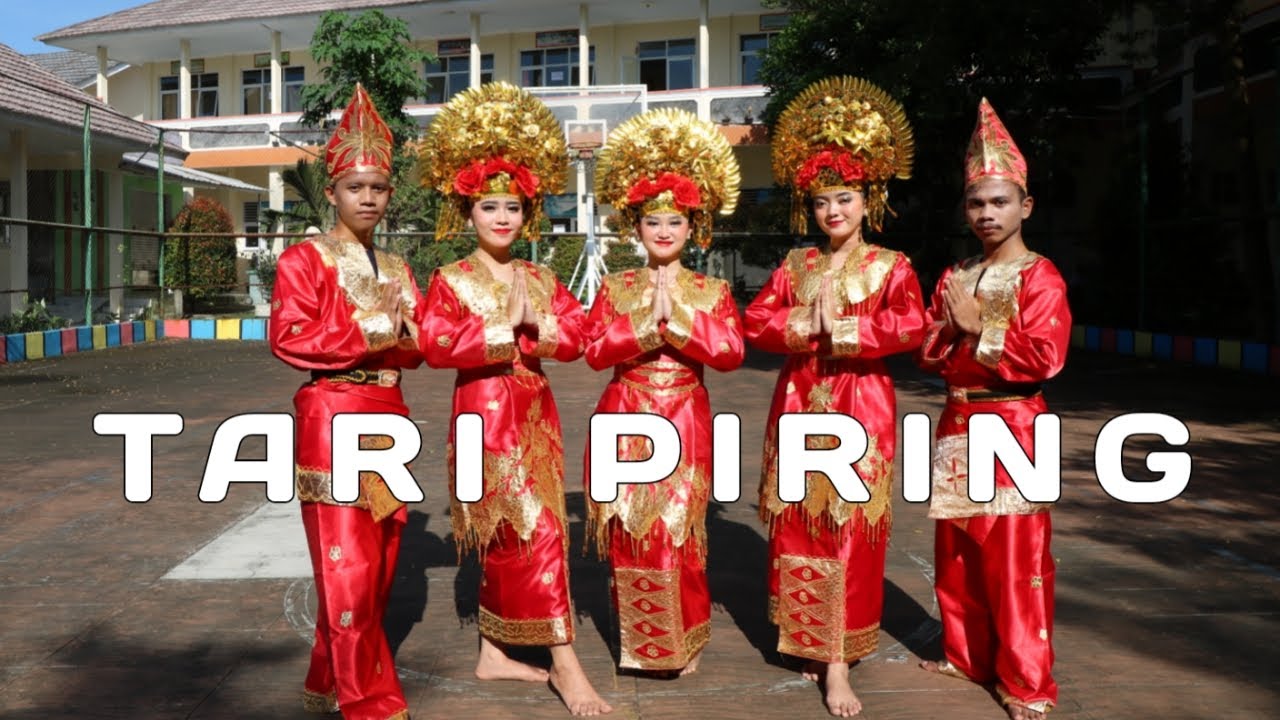
TARI PIRING DANCE SUMATERA BARAT - TRADITIONAL DANCE
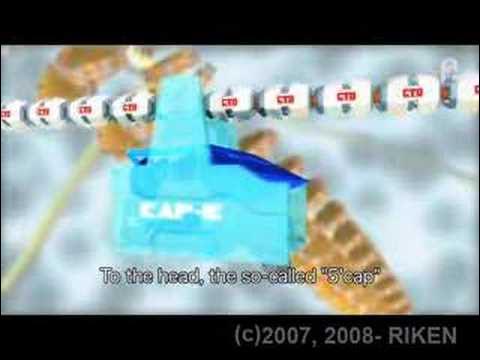
The Central Dogma (English version)
5.0 / 5 (0 votes)
