BREAKING NEWS - KONPERS PEMERINTAH TERKAIT KEBIJAKAN TRANSPORTASI DAN BBM
Summary
TLDRThe Indonesian government has committed to keeping subsidized fuel prices (Pertalite and Solar) stable until the end of 2026, despite global economic challenges. To address the rising cost of aviation fuel, fuel surcharges for domestic flights have been adjusted, with measures to ensure airfares remain affordable. Additionally, import duties on aircraft spare parts have been waived to help reduce operational costs for airlines. The government also reassured the public that it has sufficient funds to manage potential oil price increases, maintaining fiscal health while protecting consumer purchasing power in the transportation sector.
Takeaways
- 🛢️ The government and Pertamina have decided not to increase the price of subsidized fuel (Pertalite and Biosolar) for the rest of the year, maintaining economic stability and purchasing power.
- 🌍 Global geopolitical and economic developments have led to significant increases in aviation fuel (AFTUR) prices in countries like Thailand and the Philippines, influencing Indonesia's fuel costs for airlines.
- ✈️ Fuel costs constitute around 40% of operational expenses for airlines, prompting the government to implement strategic mitigation measures to keep domestic airfares affordable.
- 💰 The government raised the fuel surcharge for domestic flights to 38% for both jet and propeller aircraft to balance airline costs and consumer affordability.
- 📉 To limit ticket price increases to 9–13%, the government subsidizes 11% VAT on domestic economy class flights, totaling around IDR 1.3 trillion per month.
- ⚙️ Import duties on aircraft spare parts have been reduced to 0% to lower airline operational costs and enhance the competitiveness of Indonesia's MRO (maintenance, repair, and overhaul) industry.
- 📈 These policies are expected to boost the MRO industry’s economic contribution by up to IDR 1.49 billion and create both direct and indirect employment opportunities.
- 💵 The government has sufficient budget flexibility, with contingency funds of IDR 420 trillion available to maintain subsidized fuel prices even if global oil prices rise unexpectedly.
- 🏦 Accelerated government spending earlier in the year contributed to a higher initial deficit but is strategically aimed at smoothing economic growth and optimizing fiscal impact.
- 🛠️ The government coordinates closely with airlines and stakeholders to ensure fuel surcharges and other measures are implemented based on actual operational costs and consumer affordability.
- ⛽ A daily 50-liter purchase limit for subsidized fuel applies to private vehicles, with more detailed regulations for other vehicle types, in effect for two months.
Q & A
Why did the Indonesian government decide not to raise subsidized fuel prices until December 2026?
-The government decided not to raise subsidized fuel prices like Pertalite and Solar until December 2026 in order to stabilize the economy and protect the purchasing power of consumers. This decision is based on the condition that the average price of oil remains below $97 per barrel.
What steps has the government taken to mitigate the impact of rising fuel prices on airlines?
-To address the impact of rising fuel prices on airlines, the government has increased the fuel surcharge for airlines by 38%, based on consultations with Indonesian airlines. This measure aims to balance operational costs while keeping airfares affordable for consumers, with expected increases in ticket prices ranging from 9% to 13%.
What is the government's strategy to maintain affordable flight tickets for domestic passengers?
-The government has introduced a combination of policies to ensure affordable flight tickets for domestic passengers, including maintaining subsidies on fuel, raising the fuel surcharge by 38%, and covering 11% of the Value-Added Tax (VAT) for domestic economy-class flights. This is expected to keep airfares within the 9% to 13% increase range.
How does the government plan to support the aviation industry in the long run?
-To support the aviation industry, the government has waived import duties on aircraft spare parts, which is expected to reduce operational costs for airlines in the long term. This policy is part of broader efforts to boost the competitiveness of Indonesia’s aviation sector, create jobs, and improve the economy.
How much does the government estimate it will spend monthly to maintain the fuel subsidies?
-The government estimates it will spend around Rp1.3 trillion per month to maintain fuel subsidies for Pertalite and Solar. This amount is expected to rise to Rp2.6 trillion over two months to ensure that fuel prices remain stable and affordable.
What impact will the reduction in import duties on aircraft spare parts have on the aviation industry?
-The reduction in import duties on aircraft spare parts is expected to lower the operational costs of airlines in Indonesia, making the aviation industry more competitive. This policy is anticipated to generate economic benefits of around $700 million per year and create approximately 1,000 direct jobs.
How has the Indonesian government been addressing the global economic challenges related to oil prices and fuel costs?
-The government has been actively managing the impact of rising oil prices by maintaining subsidies on fuel, adjusting fuel surcharges for airlines, and providing financial buffers like a Rp420 trillion contingency fund. These measures aim to stabilize domestic prices and mitigate the effects of geopolitical events and global oil market fluctuations.
What are the main components that affect the price of air tickets in Indonesia according to the government?
-The price of air tickets in Indonesia is primarily influenced by the cost of fuel (including the fuel surcharge), maintenance costs, and the overall operational expenses of airlines. The government has addressed these factors by increasing the fuel surcharge and removing import duties on spare parts to reduce airline operating costs.
What is the rationale behind the government's 50-liter fuel purchase limit for private vehicles?
-The 50-liter fuel purchase limit for private vehicles is part of the government's strategy to manage fuel distribution efficiently and ensure that subsidized fuels like Pertalite and Solar are available for those who need them most. This measure helps prevent excessive fuel consumption while keeping the prices stable.
How does the government plan to ensure the sustainability of the aviation sector while protecting consumer purchasing power?
-The government is balancing the sustainability of the aviation sector with consumer protection by adjusting fuel surcharges, maintaining subsidies, and waiving import duties on aircraft spare parts. These measures aim to ensure that airlines can manage rising costs without excessively raising ticket prices, thereby safeguarding consumer purchasing power.
Outlines

This section is available to paid users only. Please upgrade to access this part.
Upgrade NowMindmap

This section is available to paid users only. Please upgrade to access this part.
Upgrade NowKeywords

This section is available to paid users only. Please upgrade to access this part.
Upgrade NowHighlights

This section is available to paid users only. Please upgrade to access this part.
Upgrade NowTranscripts

This section is available to paid users only. Please upgrade to access this part.
Upgrade NowBrowse More Related Video

[FULL] Jokowi Umumkan Kenaikan Harga BBM, Menteri ESDM Rinci Harga Pertalite, Pertamax, dan Solar

Pakar: Tersangka Korupsi Pertamina Tak Hanya 9 Orang

Prabowo Buka Suara soal Korupsi Pertalite Dioplos Jadi Pertamax
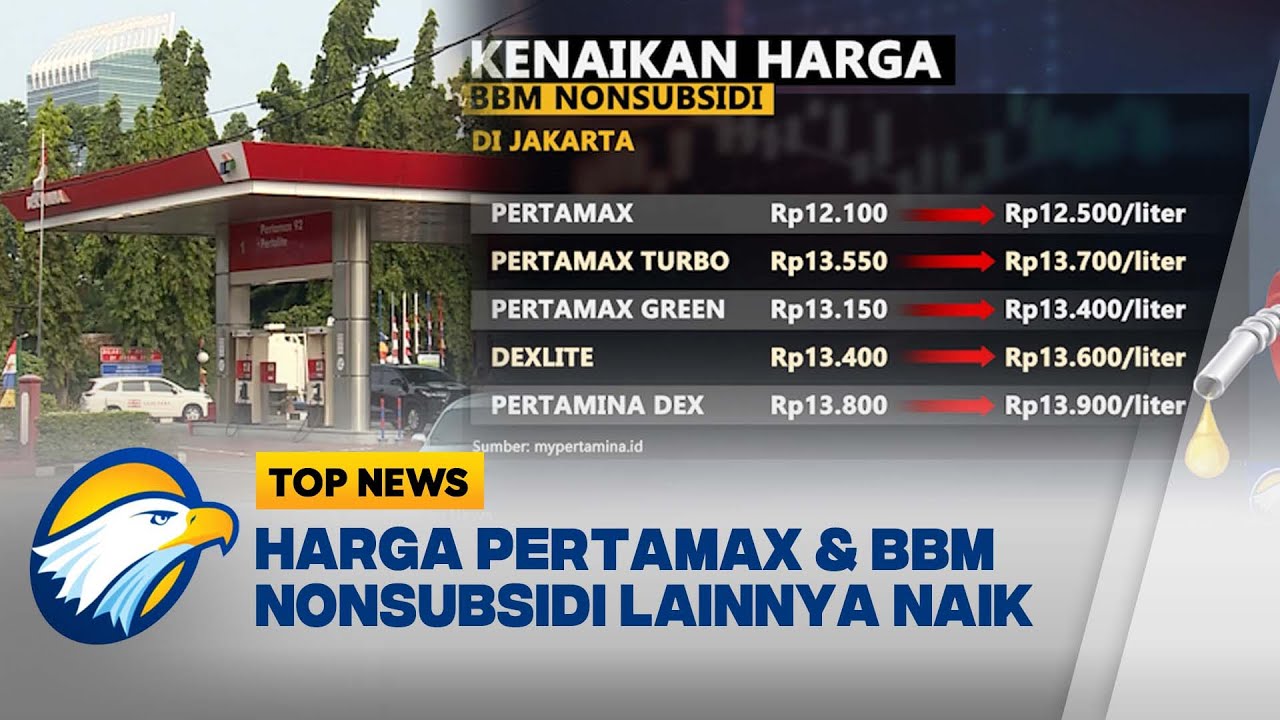
Harga BBM Subsidi Pertamax Naik Mulai 1 Januari 2025, Implementasi Keputusan Menteri ESDM [Top News]
Dampak Perang Iran-Israel bagi Ekonomi Indonesia

How Government is Looting You (Despite Having Money!)
5.0 / 5 (0 votes)
