Misteri Asal Usul Plastik: Dari Mana Datangnya?
Summary
TLDRThe video explores the pervasive presence of plastic in modern life, tracing its evolution from natural resins to synthetic polymers like celluloid and Bakelite. It highlights the material's remarkable versatility and utility in everyday items and medical applications, while also addressing the environmental crisis caused by plastic waste. The script emphasizes the urgent need for sustainable solutions, including reducing single-use plastics, recycling, and exploring biodegradable alternatives such as bioplastics. Ultimately, it calls for collective responsibility in production, consumption, and disposal practices to mitigate environmental impact and foster a more harmonious relationship with this ubiquitous material.
Takeaways
- 😀 Every year, over 380 million tons of plastic are produced globally, contributing significantly to environmental issues.
- 😀 The widespread use of plastic, from everyday items like smartphones to life-saving medical devices, highlights its importance in modern society.
- 😀 Plastic's durability, which makes it useful, also leads to major environmental threats, including pollution and harm to marine life.
- 😀 All the plastic ever produced still exists in some form, emphasizing the urgent need for sustainable solutions.
- 😀 Before synthetic plastics, humans used natural resins like lac and sap, which were early precursors to modern plastic.
- 😀 The revolution in plastic development began in the mid-19th century with the invention of semi-synthetic materials like celluloid, eventually leading to fully synthetic plastics.
- 😀 The introduction of Bakelite in the early 20th century marked a major milestone in plastic's ability to withstand heat and be used in diverse applications.
- 😀 The discovery of polyethylene in the 1930s further accelerated the plastic revolution, making plastics cheaper and more versatile, particularly for packaging.
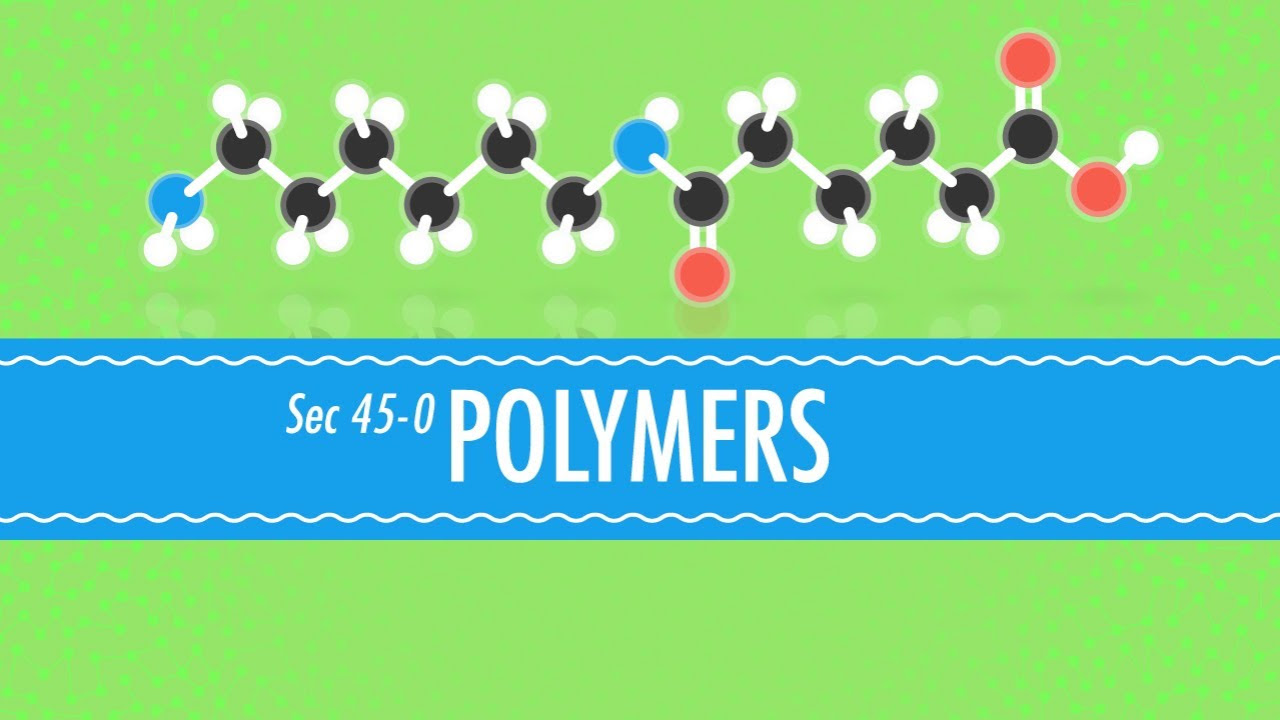
- 😀 Plastic production involves extracting raw materials, converting them into monomers, and then polymerizing these into long chains, forming synthetic plastic.
- 😀 The flexibility in plastic production allows for a wide range of materials, each with unique characteristics for specific uses.
- 😀 Despite the environmental challenges posed by plastic waste, solutions like recycling, the use of bioplastics, and reducing single-use plastics offer promising ways to mitigate the impact.
Q & A
How much plastic is produced globally each year?
-Over 380 million tons of plastic are produced worldwide each year.
Why has plastic become so ubiquitous in modern life?
-Plastic's adaptability, durability, and cost-effectiveness have made it a key material in products ranging from smartphones to medical devices.
What environmental issues are caused by plastic waste?
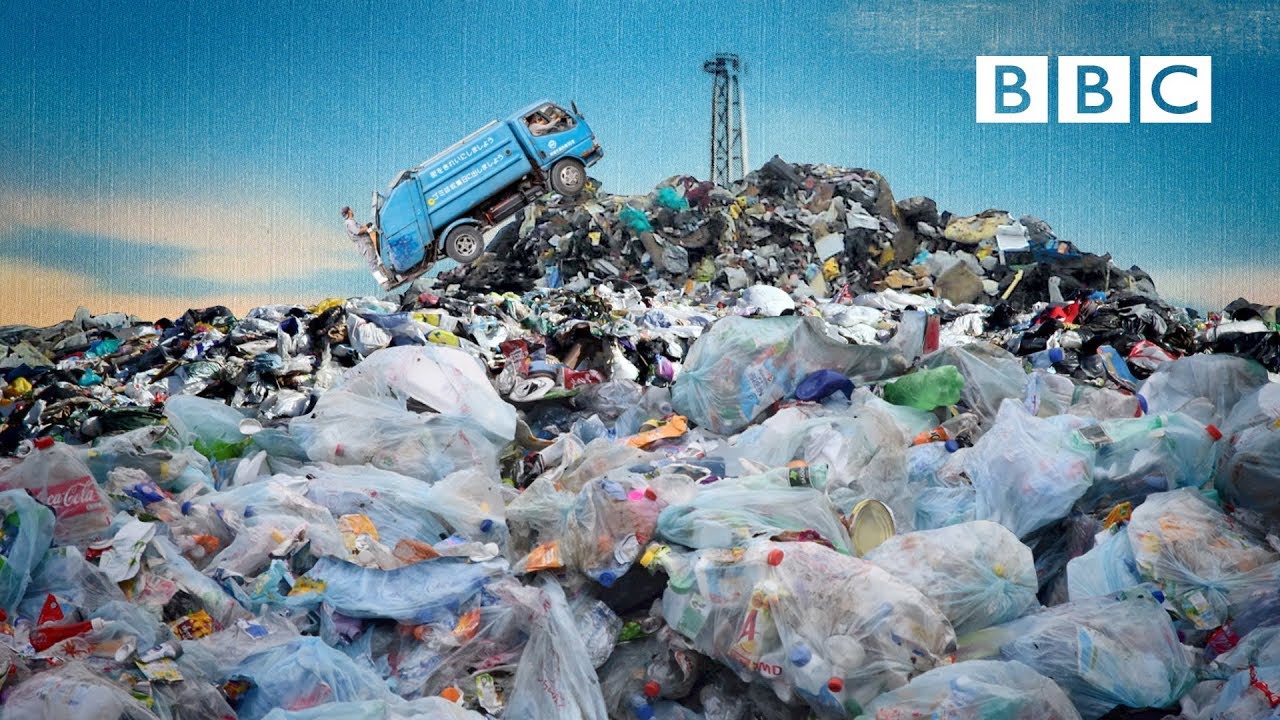
-Plastic waste accumulates in landfills, clogs waterways, pollutes oceans, and threatens marine life and ecosystems.
What were some early natural materials used before synthetic plastics?
-Humans used natural resins from plants and animals, such as shellac, lac, and natural gums, for waterproofing, insulation, and decorative purposes.
What marked the true beginning of the modern plastic revolution?
-The development of celluloid in the mid-19th century, a semi-synthetic material derived from cellulose, marked the start of the modern plastic era.
How did the invention of Bakelite impact plastics?
-Bakelite, invented in the early 20th century, was heat-resistant and durable, making it suitable for a wide range of applications including telephones and jewelry, signaling a key turning point in materials history.
What is the basic process of making synthetic plastic?
-Plastic production begins with extracting raw materials, converting them into monomers, and then polymerizing these monomers into long-chain polymers to create synthetic plastic.
How are different properties achieved in plastics?
-Plastic properties depend on the monomers used, the polymerization process, and the inclusion of additives such as plasticizers, stabilizers, and pigments to enhance flexibility, durability, and aesthetics.
What are some sustainable approaches to managing plastic use?
-Key approaches include reducing single-use plastics, promoting recycling, supporting circular economy practices, and exploring biodegradable alternatives like bioplastics made from renewable resources.
What challenges are associated with bioplastics?
-Bioplastics face challenges related to cost, performance, and sometimes limited recycling infrastructure, even though they can reduce environmental impact through biodegradability or compostability.
Why is it important to take a collective approach toward plastic sustainability?
-Future plastic sustainability relies on collective commitment to responsible production, consumption, and disposal, as well as innovative solutions and policy changes to minimize environmental impact.
Outlines

This section is available to paid users only. Please upgrade to access this part.
Upgrade NowMindmap

This section is available to paid users only. Please upgrade to access this part.
Upgrade NowKeywords

This section is available to paid users only. Please upgrade to access this part.
Upgrade NowHighlights

This section is available to paid users only. Please upgrade to access this part.
Upgrade NowTranscripts

This section is available to paid users only. Please upgrade to access this part.
Upgrade Now


5.0 / 5 (0 votes)
