KURMA eps 28, Menutup Ramadhan dengan Amal Terbaik, A'ida Rahmah Zakaria , SMPN 23 Kota Malang
Summary
TLDRThis heartfelt speech reflects on the blessings of Ramadan, emphasizing the lessons of patience, sincerity, and obedience to Allah. The speaker urges the audience to continue their good deeds even after Ramadan, highlighting small acts of kindness such as helping others, reducing waste, and honoring parents. Quoting verses from the Qur'an and Hadith, the speaker stresses the importance of continuous, sincere acts of worship, no matter how small, as they are beloved by Allah. The message concludes with a call for personal transformation and prayer for Allah's forgiveness and guidance.
Takeaways
- 🌙 Ramadan is a blessed month that teaches patience, sincerity, and obedience to God.
- 🙏 Worship performed during Ramadan should not be wasted due to lack of gratitude.
- 💖 Gratitude to God should be expressed through good deeds, prayer, and reading the Qur'an.
- 📖 Muslims are encouraged to increase acts of worship such as sunnah prayers and remembrance (dhikr).
- 🤲 Ending Ramadan with the best possible deeds is highly emphasized.
- 💰 Giving charity in the way of God and doing good deeds are strongly encouraged.
- ⚖️ Consistency in small good deeds is more beloved than large but irregular actions.
- 🌱 Simple daily actions like greeting others and helping those in need are valuable عبادات (acts of worship).
- 🌍 Caring for the environment, such as reducing plastic use, is also part of good conduct.
- 👨👩👧 Maintaining family ties and honoring parents is an important act of righteousness.
- 🧠 Ramadan should serve as a turning point to become more patient, sincere, and better individuals.
- ✨ Continuous self-improvement in worship and character is key to being closer to God.
Q & A
What is the significance of Ramadan mentioned in the script?
-The script highlights Ramadan as a month of blessings and mercy, emphasizing the lessons it teaches, such as patience, sincerity, and obedience to Allah. It also serves as a time for reflection and growth in spiritual practices.
How does the speaker suggest we maintain our good deeds after Ramadan?
-The speaker encourages continuous gratitude and the continuation of good deeds even after Ramadan ends. This includes practices like doing good for others, reading the Qur'an, performing voluntary prayers (salat sunah), and more.
What does the Quran verse mentioned in the speech (Al-Baqarah 2:195) emphasize?
-The Quran verse encourages people to give in charity (infak) for the sake of Allah and warns against self-destruction. It also stresses the importance of doing good deeds, as Allah loves those who act with kindness and virtue.
What is the Hadith mentioned in the speech about continuous good deeds?
-The Hadith states that the most beloved deeds to Allah are those that are consistent, even if small. It encourages ongoing efforts in worship, no matter how small, as opposed to sporadic, large actions.
Why does the speaker emphasize small but continuous good deeds?
-The speaker emphasizes that consistent, smaller deeds are more beloved to Allah than large, occasional ones. This is to inspire people to make good deeds a habit and integrate them into their daily lives.
What are some practical examples of good deeds provided by the speaker?
-The speaker suggests simple actions like greeting neighbors and family, helping others in need, reducing plastic waste, choosing environmentally friendly products, reading the Qur'an and engaging in dhikr before sleep, and honoring parents.
How does the speaker suggest we can improve our worship and actions?
-The speaker urges the audience to improve the quality of their worship by making small, consistent improvements, such as regularly performing good deeds, nurturing patience, and increasing acts of worship like prayer and charity.
What is the broader message of the speech regarding Ramadan and personal transformation?
-The broader message is to use Ramadan as a turning point to become more patient, better individuals, and more sincere in our relationship with Allah. The speaker encourages the audience to make lasting positive changes beyond Ramadan.
What does the speaker mean by 'don't let Ramadan pass by'?
-The speaker means that the spiritual and personal growth experienced during Ramadan should not be forgotten or abandoned once the month ends. It is an opportunity for lasting change, and people should seize it to continue improving themselves.
What is the final prayer in the speech asking for?
-The final prayer is asking for Allah's acceptance of the audience's deeds, forgiveness for their sins, and guidance in the future. It ends with a prayer for divine support and well-being, acknowledging Allah's role in guiding the faithful.
Outlines

This section is available to paid users only. Please upgrade to access this part.
Upgrade NowMindmap

This section is available to paid users only. Please upgrade to access this part.
Upgrade NowKeywords

This section is available to paid users only. Please upgrade to access this part.
Upgrade NowHighlights

This section is available to paid users only. Please upgrade to access this part.
Upgrade NowTranscripts

This section is available to paid users only. Please upgrade to access this part.
Upgrade NowBrowse More Related Video

Cerah Muda ( Awal Ramadhan )

KARAMAH 1446 EPS 15 : Sukseskah Ramadhan Kita Tahun Ini? - Drs. Jamaluddin Malik, M.A.

Melatih Kesabaran dan Keikhlasan di Bulan Suci

KULTUM RAMADHAN DAY 28:M. Alvi Yusril H. // Mengajarkan sabar melalui ibadah puasa // 9H
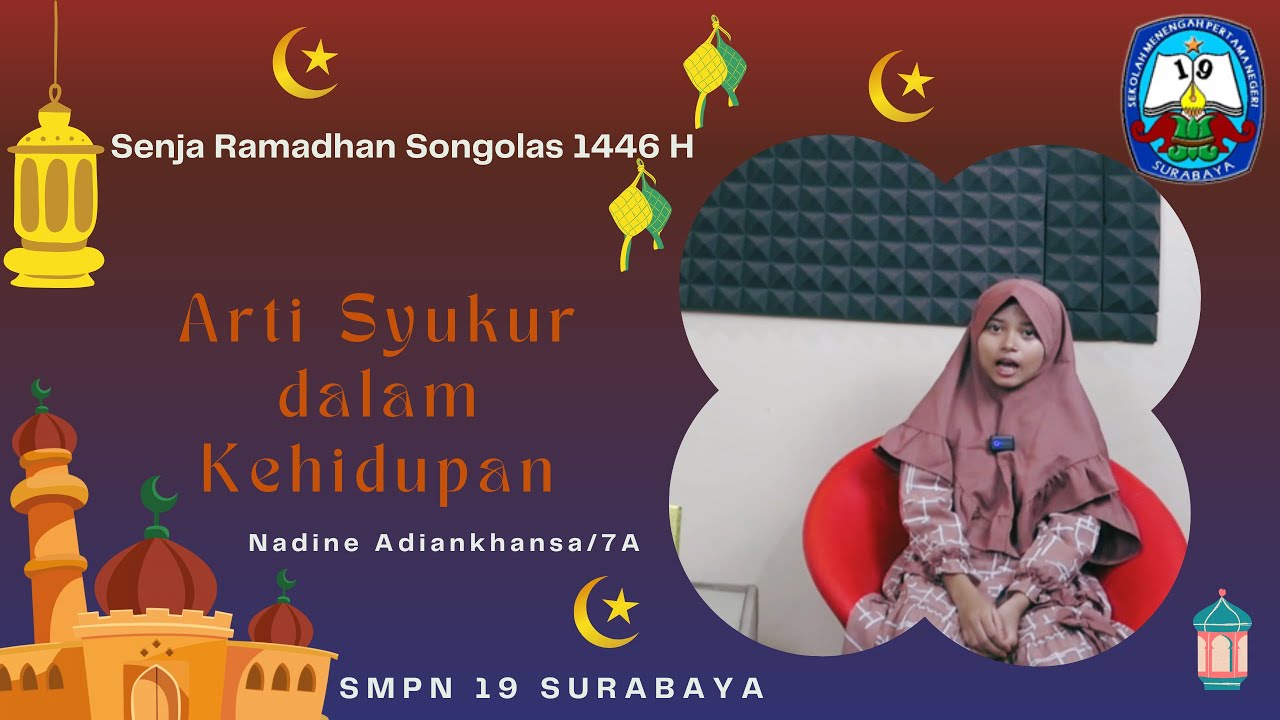
SELARAS 20: Arti Syukur dalam Kehidupan | Nadine Adiankhansa/7A

Kultum Ramadhan Hari Ke-11| Ramadhan Sebagai Bulan Tarbiyah - Ust. H. Irfan Fathina, Lc.
5.0 / 5 (0 votes)
