Teori Model TAM, DTPB, & UTAUT
Summary
TLDRThis video explains key technology acceptance models, including the Technology Acceptance Model (TAM), the Decomposed Theory of Planned Behavior (DTPB), and the Unified Theory of Acceptance and Use of Technology (UTAUT). These models analyze factors affecting the acceptance and usage of technology, such as perceived usefulness, ease of use, and social influences. It also covers the role of compatibility, risk perception, and facilitating conditions in shaping user behavior. The video highlights how these models are applied in understanding technology adoption, especially in areas like e-commerce and online shopping.
Takeaways
- 😀 The Technology Acceptance Model (TAM) was developed by Davis in 1986 to analyze factors influencing user acceptance of computer technologies, adapted from the Theory of Reasoned Action (TRA).
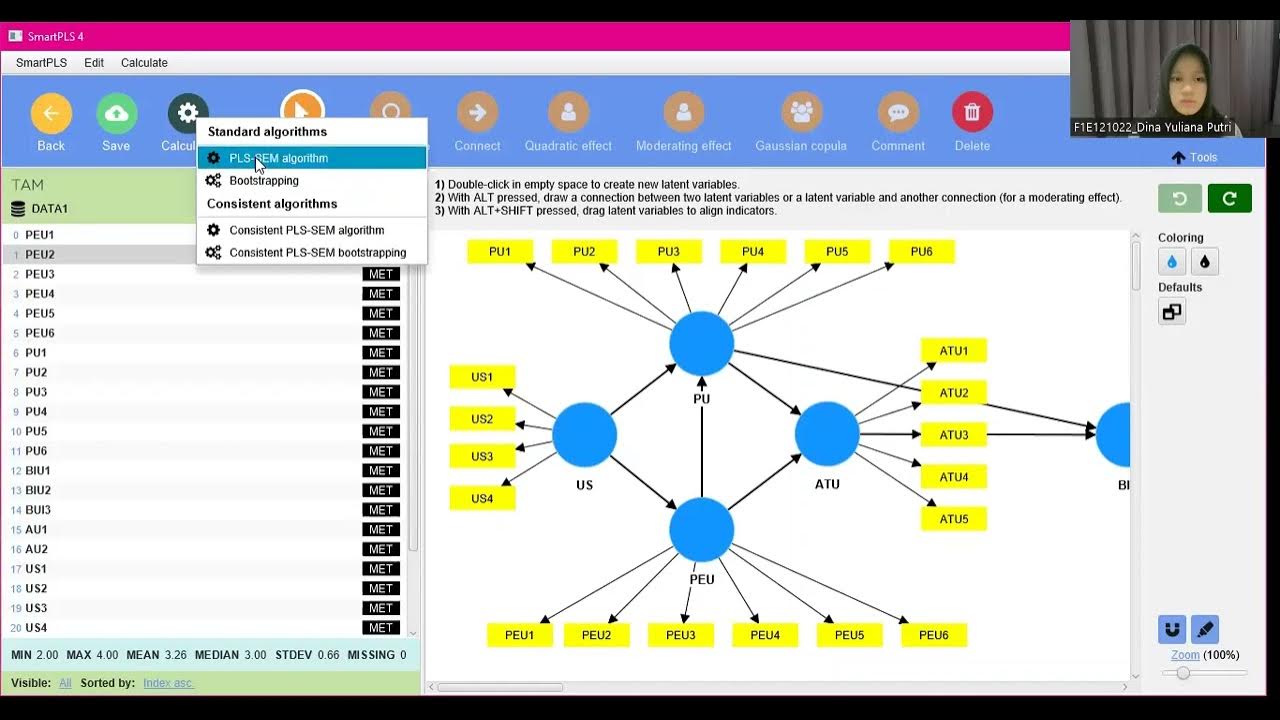
- 😀 TAM includes three main constructs: perceived usefulness, perceived ease of use, and actual technology usage behavior.
- 😀 Perceived usefulness refers to the belief that using a technology will enhance job performance, and research shows it positively influences technology adoption.
- 😀 Perceived ease of use is the belief that using a technology will be free from effort, and it impacts both perceived usefulness and actual usage.
- 😀 Actual usage behavior measures the real use of technology and is influenced by the other constructs in TAM.
- 😀 The Decomposed Theory of Planned Behavior (DTPB) expands on TPB, explaining behavior with multidimensional factors like attitude, subjective norms, and perceived behavioral control.
- 😀 In DTPB, compatibility (fit of innovation with user values, past experiences, and current needs) plays a significant role in shaping attitudes toward technology adoption.
- 😀 Subjective norms, including peer and superior influence, positively affect an individual's attitude toward using technology.
- 😀 Perceived risk can negatively impact trust and willingness to adopt technology; lower perceived risk increases user confidence.
- 😀 UTAUT (Unified Theory of Acceptance and Use of Technology), proposed by Venkatesh et al., integrates eight models and emphasizes four key factors influencing user acceptance: performance expectancy, effort expectancy, social influence, and facilitating conditions.
- 😀 Empirical studies show that compatibility, perceived usefulness, perceived ease of use, and social influence all significantly affect technology adoption in contexts like e-commerce and online services.
Q & A
What is the Technology Acceptance Model (TAM) and who developed it?
-The Technology Acceptance Model (TAM) is a framework developed by Davis in 1986 to analyze and understand the factors influencing the acceptance of computer technology by users. It adapts the Theory of Reasoned Action to the context of information systems.
What are the two main constructs of TAM?
-The two main constructs of TAM are Perceived Usefulness (the extent to which a person believes using a technology will enhance job performance) and Perceived Ease of Use (the extent to which a person believes using a technology will be free of effort).
How does TAM measure actual technology use?
-TAM measures actual technology use through the behavior of using the technology, which is influenced by perceived usefulness and perceived ease of use.
What is the Decomposed Theory of Planned Behavior (DTPB)?
-DTPB is an extension of the Theory of Planned Behavior (TPB) that incorporates multiple determinants of behavior. It explains behavior through attitudes, subjective norms, and perceived behavioral control, further breaking down these constructs into specific influences like compatibility, peer influence, and self-efficacy.
What role does compatibility play in DTPB?
-In DTPB, compatibility refers to how consistent a technology is with the values, needs, and past experiences of potential adopters. Higher compatibility positively influences attitudes toward technology adoption.
What is the UTAUT model and what does it aim to explain?
-The Unified Theory of Acceptance and Use of Technology (UTAUT), proposed by Venkatesh et al. in 2003, combines elements from eight different technology acceptance models to explain user acceptance and usage behavior. It focuses on performance expectancy, effort expectancy, social influence, and facilitating conditions.
What factors influence social influence in technology acceptance?
-Social influence is influenced by the expectations and pressures of others, such as colleagues, supervisors, or significant social contacts, regarding whether an individual should adopt or use a technology.
How does perceived risk affect technology adoption?
-Perceived risk is the individual's perception of uncertainty and potential negative consequences when using a technology. High perceived risk decreases trust and reduces the likelihood of adoption, while lower perceived risk increases trust and adoption intention.
How do perceived usefulness and perceived ease of use interact?
-Perceived ease of use can influence perceived usefulness. If a technology is easy to use, users are more likely to perceive it as beneficial to their performance, thereby increasing their intention to use it.
What is the significance of facilitating conditions in UTAUT?
-Facilitating conditions refer to the availability of resources, infrastructure, and support that enable technology use. They positively affect user behavior by making it easier to adopt and use technology effectively.
Why is it important to consider subjective norms in technology adoption?
-Subjective norms represent the perceived social pressure to engage or not engage in a behavior. Considering these norms is important because users are influenced by the expectations of people around them, which can significantly affect their intention and actual use of technology.
What are the main differences between TAM, DTPB, and UTAUT?
-TAM focuses on perceived usefulness and ease of use, DTPB extends TPB by decomposing attitudes, norms, and perceived control into more detailed factors like compatibility and self-efficacy, while UTAUT integrates multiple models to include performance expectancy, effort expectancy, social influence, and facilitating conditions to comprehensively explain technology acceptance.
Outlines

This section is available to paid users only. Please upgrade to access this part.
Upgrade NowMindmap

This section is available to paid users only. Please upgrade to access this part.
Upgrade NowKeywords

This section is available to paid users only. Please upgrade to access this part.
Upgrade NowHighlights

This section is available to paid users only. Please upgrade to access this part.
Upgrade NowTranscripts

This section is available to paid users only. Please upgrade to access this part.
Upgrade NowBrowse More Related Video





5.0 / 5 (0 votes)
