Akuntansi Keuangan Menengah - Ekuitas 1. Pengantar
Summary
TLDRThe script introduces the concept of equity in accounting by first explaining different forms of business organizations, including sole proprietorships, partnerships, and corporations. It highlights the unique characteristics of corporations, such as their regulation under company law, the use of share systems, dividend distribution, and different types of shares like ordinary and preference shares, each with distinct rights. The speaker then defines equity as the residual interest in a company's assets after deducting liabilities and explains its main sources: contributed capital and retained earnings. The video also discusses key equity components under accounting standards and clarifies share issuance terms such as authorized, issued, and outstanding shares.
Takeaways
- 😀 The script begins with a discussion on various types of businesses, including sole proprietorships, partnerships, firms, CVs, and corporations (PT).
- 😀 Corporations (PT) are regulated by specific laws, like the PT Vale Indonesia law, which governs their operations.
- 😀 One key feature of corporations is the share-based system, which includes various provisions such as preemptive rights, liquidation order, and dividends.
- 😀 Corporations have two types of shares: Ordinary shares (common stock) and Preference shares (preferred stock), each with different rights.
- 😀 Equity is defined as the residual value of an entity's assets after subtracting all liabilities.
- 😀 Equity sources come in two forms: contributed capital (comprising ordinary and preference shares) and retained earnings.
- 😀 According to PSAK 1, the main equity components include capital stock, retained earnings, and other equity components like accumulated other comprehensive income.
- 😀 Non-controlling interests are also considered part of the equity components in corporations.
- 😀 The issuance of shares is referred to as authorized, issued, and outstanding shares. The number of authorized shares can be greater than those actually issued.
- 😀 Treasury shares are shares that a company has bought back, reducing the number of outstanding shares in circulation.
- 😀 The script concludes with a brief mention of the next topic on journal entries related to stock issuance and a call to action for likes, comments, and sharing the video.
Q & A
What is the primary focus of the video transcript?
-The video focuses on explaining corporate equity, different business structures like sole proprietorships, partnerships, and corporations, and the characteristics of equity in corporations.
What are the different types of business entities mentioned in the transcript?
-The business entities mentioned include sole proprietorships, partnerships (Firma and CV), and corporations (such as PT).
What is a key characteristic of corporations as explained in the video?
-Corporations have specific legal regulations governed by laws such as the PT Law, and they use a share system with various shareholder rights, including ordinary and preference shares.
What are the two main sources of equity?
-The two main sources of equity are contributed capital and retained earnings.
What is the definition of equity according to the transcript?
-Equity is defined as the residual value of an entity's assets after deducting all liabilities.
What are the main components of equity according to PSAK 1?
-The main components of equity include share capital, retained earnings, and other equity components such as accumulated other comprehensive income and transactions that do not result in loss of control.
What are the differences between ordinary shares and preference shares?
-Ordinary shares represent ownership with voting rights and dividends, while preference shares have a priority claim on dividends and assets but typically do not carry voting rights.
What does the term 'authorized shares' refer to in the video?
-Authorized shares are the total number of shares a company is permitted to issue as specified in its corporate charter, even if not all are issued.
How are outstanding shares different from issued shares?
-Outstanding shares are those that are currently in circulation and held by shareholders, excluding treasury shares, which are repurchased by the company.
What role do treasury shares play in a company’s equity?
-Treasury shares are shares that a company has repurchased from the market and are not considered outstanding, reducing the total number of shares in circulation.
Outlines

This section is available to paid users only. Please upgrade to access this part.
Upgrade NowMindmap

This section is available to paid users only. Please upgrade to access this part.
Upgrade NowKeywords

This section is available to paid users only. Please upgrade to access this part.
Upgrade NowHighlights

This section is available to paid users only. Please upgrade to access this part.
Upgrade NowTranscripts

This section is available to paid users only. Please upgrade to access this part.
Upgrade Now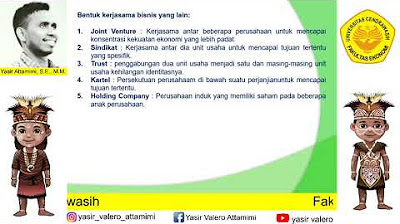


5.0 / 5 (0 votes)
