Roy Lichtenstein | Whaam! | I racconti dell'arte
Summary
TLDRThe Pop Art movement, emerging in the late 1950s, reflected the American Dream and post-war economic boom, using advertising and media to elevate everyday objects like televisions and cars into art. Roy Lichtenstein, a key figure, adopted comic-style visuals to critique mass consumerism and war. His famous 1962 piece, based on a comic strip, offered a satirical commentary on U.S. military interventions and the exportation of democracy, just before the Vietnam War. His work, using the Ben-Day dot technique, transformed familiar imagery into powerful critiques of societal norms and military power.
Takeaways
- 🖼️ Pop Art, or popular art, emerged in the late 1950s in the UK and the US, reflecting the American economic boom.
- 📺 The movement drew heavily from mass media, advertising, television, magazines, posters, and cinema as integral parts of daily life.
- 🛋️ Pop Art elevated everyday objects like televisions, refrigerators, washing machines, and cars to the status of art, giving them symbolic meaning.
- 🎨 Artists decontextualized ordinary objects and reinterpreted them through a conceptual process, transforming mundane items into artworks.
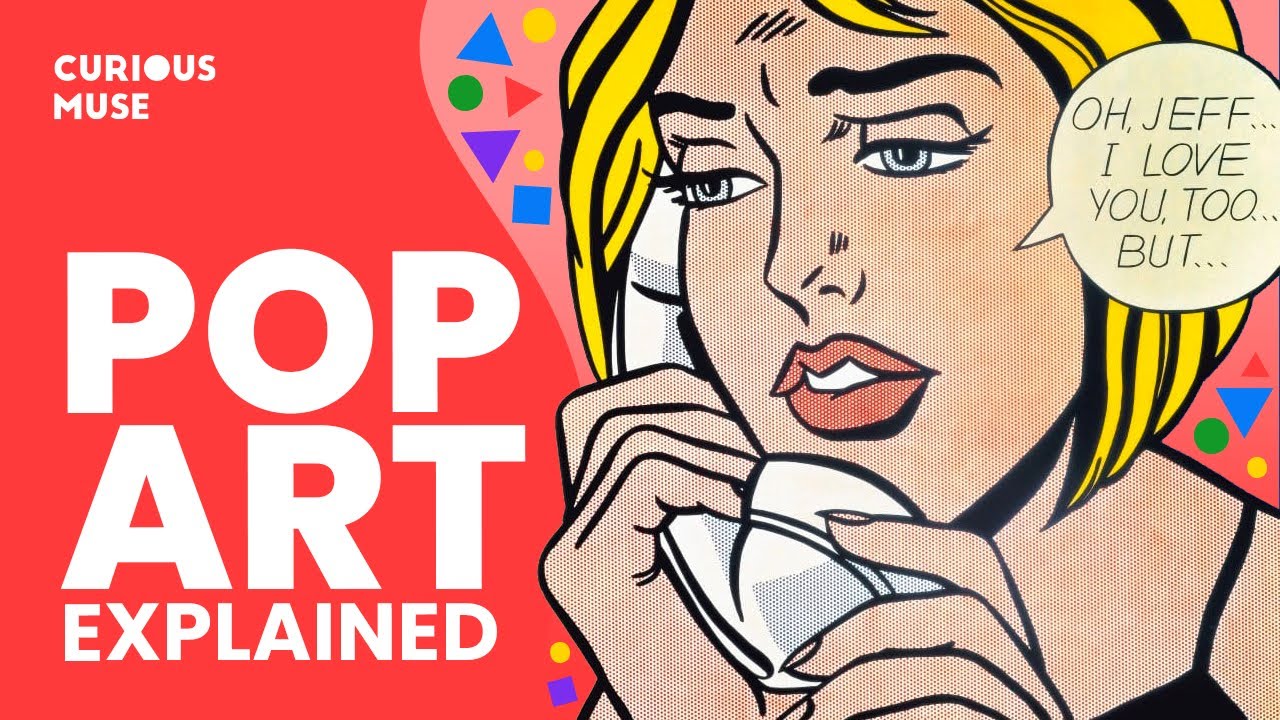
- 💥 Roy Lichtenstein used comic book imagery to make art accessible to the general public and to highlight mass consumer products.
- 🖌️ Lichtenstein's technique involved simple, impactful visuals with Ben-Day dots, creating dramatic effects of light and shadow.
- ✈️ One of his famous works depicts an American fighter jet dropping a missile on an enemy plane, accompanied by colorful, explosive onomatopoeia.
- 📚 The work was inspired by a 1962 DC Comics panel from 'All-American Men of War', issue 89, originally drawn by Hero Nordic.
- 🤔 Scholars interpret the artwork as a critique of war consequences, presenting a clear image that invites reflection rather than ambiguity.
- 🇺🇸 The art coincided with the lead-up to the Vietnam War and may have satirized the aggressive military stance of the US and its forced promotion of democracy.
- 🖼️ By repurposing comic imagery, Lichtenstein delivered a message challenging media-driven consumerist complacency and prompting contemplation of war's real impact.
Q & A
What is Pop Art and when did it emerge?
-Pop Art is a movement that emerged in the late 1950s, primarily in the United Kingdom and the United States. It is a form of popular art that reflects the consumer society and was influenced by the boom in economic prosperity and mass media like advertising and television.
What cultural influence did Pop Art have on society?
-Pop Art became a symbol of consumer society, using the language of advertising, television, magazines, and posters to express the ideals of the American Dream and economic prosperity.
How did Pop Art artists reinterpret everyday objects?
-Artists in the Pop Art movement reinterpreted everyday objects by removing them from their usual context and elevating them to the status of art. This process involved decontextualizing objects like televisions, refrigerators, and cars, which were symbols of middle-class prosperity.
What role did mass consumer products play in Pop Art?
-Mass consumer products became symbolic in Pop Art, representing the consumer-driven culture of the time. Items like televisions, refrigerators, and automobiles were transformed into works of art that carried deeper social meanings.
How did Roy Lichtenstein contribute to the Pop Art movement?
-Roy Lichtenstein utilized comic book language, which was easily understood by the general public, to create his artworks. He emphasized mass-produced consumer goods, and his pieces had a simple yet impactful technique, often using bold colors and onomatopoeic words.
What is the significance of Lichtenstein’s artwork 'Whaam!'?
-'Whaam!' depicts a dramatic aerial battle, where an American fighter jet drops a missile to destroy an enemy plane. The explosion is illustrated with colorful, loud onomatopoeic words, showcasing Lichtenstein’s use of comic-style language to convey intense emotion and action.
How did Lichtenstein use comic strips in his art?
-Lichtenstein drew inspiration from comic strips, like those published in DC Comics, to create his iconic works. By taking images from comics and reinterpreting them, he gave them new meaning and an artistic, conceptual layer.
What is the debate around the meaning of 'Whaam!'?
-Many scholars have debated the meaning of 'Whaam!', with some interpreting it as a critique of war and its consequences. The artwork, released shortly before the United States entered the Vietnam War, may have been a comment on the military's aggressive nature and the false notion of exporting democracy.
How does 'Whaam!' critique the American military and its foreign policies?
-The artwork 'Whaam!' potentially mocks the military’s overwhelming, belligerent attitude and critiques the idea of forcibly exporting democracy. The use of a comic-style image helps to strip down the seriousness of war, creating a more accessible, yet thought-provoking, commentary.
What was the intended effect of Lichtenstein's use of comic language in 'Whaam!'?
-Lichtenstein’s use of comic book language in 'Whaam!' was meant to break through the media's stifling influence and shock the public. By transforming a simple comic panel into fine art, Lichtenstein sought to spark reflection on the consequences of war, moving beyond the superficial messages of prosperity broadcasted by the media.
Outlines

This section is available to paid users only. Please upgrade to access this part.
Upgrade NowMindmap

This section is available to paid users only. Please upgrade to access this part.
Upgrade NowKeywords

This section is available to paid users only. Please upgrade to access this part.
Upgrade NowHighlights

This section is available to paid users only. Please upgrade to access this part.
Upgrade NowTranscripts

This section is available to paid users only. Please upgrade to access this part.
Upgrade Now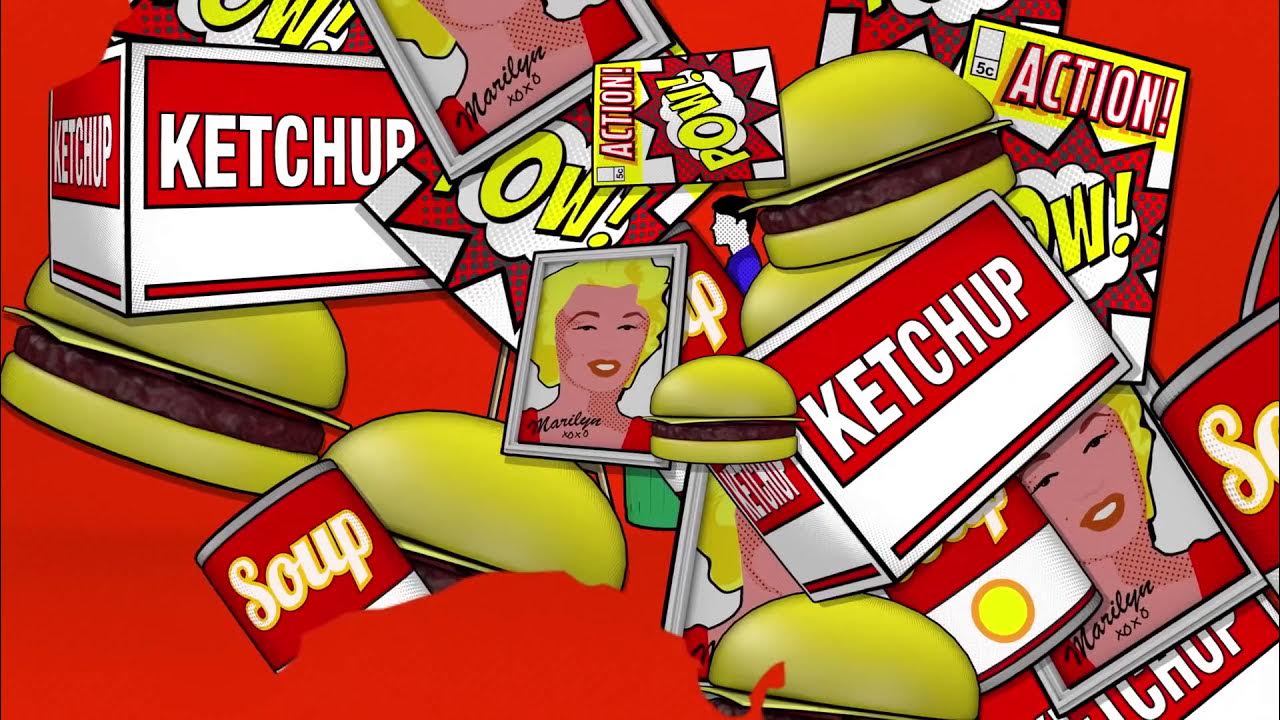


5.0 / 5 (0 votes)
