Flora do Brasil - 10 anos
Summary
TLDRThe video explores Brazil's extraordinary biodiversity, focusing on its native flora, algae, and fungi. With over 210 million people and countless species, Brazil is a global biodiversity hotspot. Through initiatives like the Global Strategy for Plant Conservation and the Flora do Brasil 2020 project, scientists have cataloged over 46,000 plant species, with many being unique to Brazil. The effort involves thousands of scientists globally, using technology to make knowledge accessible and contribute to conservation. While significant progress has been made, the video emphasizes the ongoing challenges in studying and preserving the country's vast natural heritage.
Takeaways
- 🌿 Brazil is one of the most biodiverse countries in the world, home to a vast array of plants, algae, and fungi.
- 📜 The Convention on Biological Diversity (CBD) was created in 1992 to address threats to global biodiversity.
- 🌱 The Global Strategy for Plant Conservation (GSPC) was developed to conserve plant species, with goals set for 2020.
- 🏛️ The Rio de Janeiro Botanical Garden was designated in 2008 to coordinate the inventory of Brazil's flora, algae, and fungi.
- 📚 The Flora of Brazil 2020 project cataloged almost 41,000 species, nearly half of which are endemic to Brazil.
- 🌎 Knowledge of species distribution across biomes like the Amazon, Cerrado, and Atlantic Forest is crucial for conservation policies.
- 🧪 Historical plant specimens are preserved in herbaria, and Brazil worked to digitize both domestic and foreign collections for research access.
- 💻 The Virtual Herbarium integrates high-resolution images of plant specimens with the Flora of Brazil 2020 database for global access.
- 👩🔬 Over 900 scientists from 200 institutions in 23 countries contribute collaboratively to documenting Brazilian biodiversity.
- 📊 The system helps assess the conservation status of species, supporting efforts to identify those at risk of extinction.
- 🔍 Brazil currently has 46,109 native plant, algae, and fungi species documented, but vast areas remain unexplored, especially in the Amazon.
- 🌱 Continuous scientific exploration is necessary to improve knowledge of biodiversity and support sustainable, diverse societies.
Q & A
What is the main attraction of Brazil as mentioned in the script?
-The main attraction of Brazil is its natural beauty and the diverse flora, which includes a wide variety of plant species native to the country.
How does Brazil compare to other countries in terms of biodiversity?
-Brazil is considered one of the most biodiverse countries in the world, hosting a large proportion of all known plant and animal species.
What international initiative was created to address biodiversity concerns?
-The Convention on Biological Diversity (CBD) was created by the United Nations in 1992 to address the threats to biodiversity in member countries.
What is the Global Strategy for Plant Conservation (GSPC) and when was it established?
-The GSPC was adopted 10 years after the CBD in 2002, aiming to conserve plant species and their habitats. It consists of five goals and 16 targets to be achieved by 2020.
What was the main objective of the Brazilian government in the 2008 project for plant species cataloging?
-The main objective was to create an inventory of Brazil's plant species, including algae and fungi, to better understand and preserve the country's biodiversity.
How many plant species were cataloged in Brazil by 2010 and how were they presented?
-By 2010, nearly 41,000 plant species had been cataloged, with almost half of them being unique to Brazil. This was published both online and in a printed catalog.
What is the significance of understanding the distribution of plant species in Brazil?
-Knowing the distribution of plant species is crucial for creating public policies focused on conservation and sustainable use, as well as for managing conservation areas.
What role does the Herbarium play in identifying new species in Brazil?
-The Herbarium is a collection of preserved plant materials that scientists use to describe and classify new species. This is essential for plant taxonomy and further research.
What was the goal of the 'Reflora' project launched by the Brazilian government in 2010?
-The 'Reflora' project aimed to create a virtual herbarium, digitizing images of plant materials from various international museums to make them accessible for research and conservation efforts.
How many species were identified in the 'Flora do Brasil 2020' project by the end of 2020?
-By 2020, the 'Flora do Brasil' project had identified a total of 46,109 species of plants, algae, fungi, and mosses, with more than 4,700 of these being algae and over 30,000 being plants.
Outlines

This section is available to paid users only. Please upgrade to access this part.
Upgrade NowMindmap

This section is available to paid users only. Please upgrade to access this part.
Upgrade NowKeywords

This section is available to paid users only. Please upgrade to access this part.
Upgrade NowHighlights

This section is available to paid users only. Please upgrade to access this part.
Upgrade NowTranscripts

This section is available to paid users only. Please upgrade to access this part.
Upgrade NowBrowse More Related Video
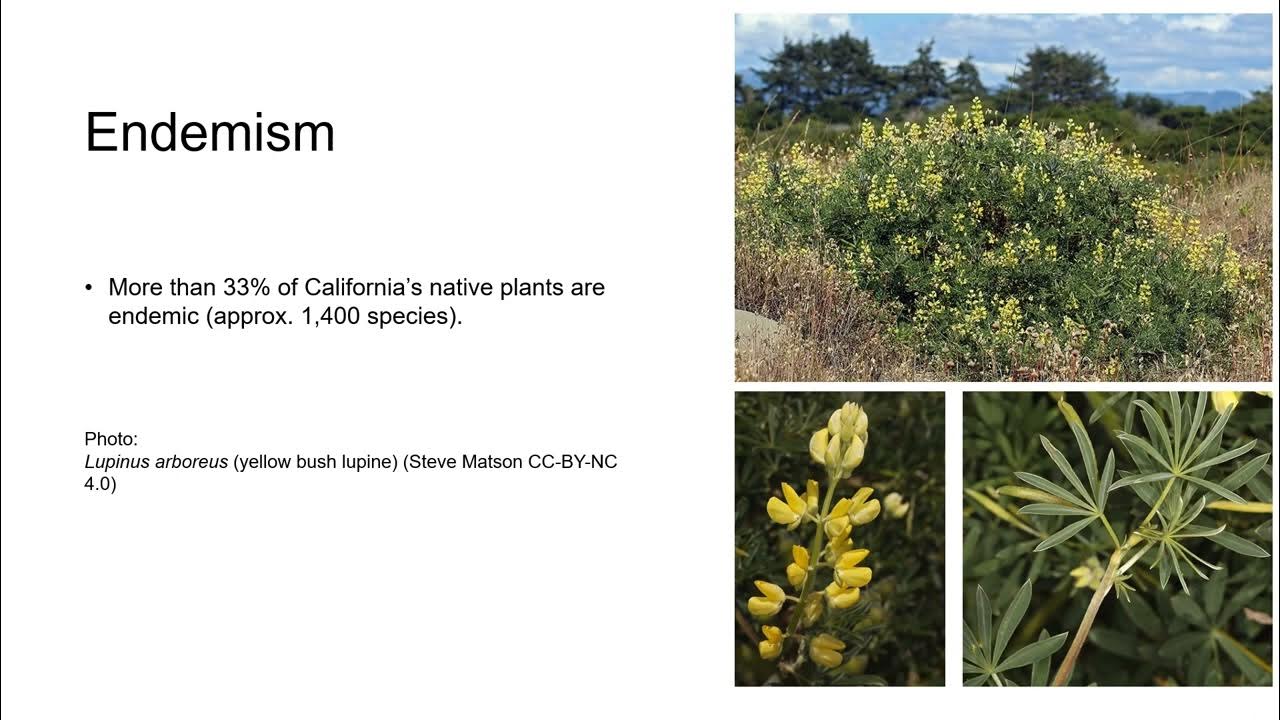
Lecture: Introduction to California's floral diversity

Keanekaragaman Hayati Indonesia - Biologi kelas X

Kingdom Fungi - Biologi kelas 10 SMA

Ecologia - Aula 10 - Biomas do Brasil: Amazônia, Mata Atlântica, Pantanal

Microorganisms | The Dr. Binocs Show | Educational Videos For Kids
🌱 Meio Ambiente por Inteiro - A Biodiversidade Corre Sérios Riscos
5.0 / 5 (0 votes)
