HOW I burn fat AND build muscle *at the same time* (body recomp)
Summary
TLDRIn this video, the speaker explains the concept of body recomposition (recmp), a balanced approach to losing fat while gaining muscle. Unlike traditional bulking or cutting, recomposition works for beginners, individuals returning after time off, and those seeking sustainable progress. The speaker emphasizes a structured training regimen with progressive overload, a slight calorie deficit, high protein intake, and proper recovery. Consistency, patience, and balanced nutrition are key. The goal is to transform your body over time without obsessing over immediate results. Recmp offers a way to improve fitness while still focusing on life, making it a manageable and effective fitness strategy.
Takeaways
- 😀 Body recomposition (recmp) is about losing fat while building muscle at the same time, without extreme bulking or cutting.
- 😀 Recmp is ideal for beginners, people returning to fitness after a break, or anyone who wants balance in their fitness journey.
- 😀 Progressive overload is key to muscle growth. Gradually increasing the intensity of resistance training will lead to long-term muscle gains.
- 😀 For muscle growth, aim to train each muscle group at least twice a week and focus on volume, intensity, and frequency.
- 😀 Nutrition for body recomposition should focus on a slight calorie deficit (10-15%) while maintaining high protein intake (1.6-2g/kg body weight).
- 😀 Healthy fats are crucial for hormonal balance and overall health. Include unsaturated fats from sources like olive oil, avocado, and nuts.
- 😀 The 80/20 rule is a helpful framework: 80% of your food intake should be nutrient-dense, whole foods, and 20% can be flexible.
- 😀 Low-intensity steady-state cardio (e.g., walking, cycling) supports heart health and recovery without interfering with strength training.
- 😀 High-intensity cardio can be used sparingly, but be mindful not to drain recovery, as the goal in recmp is to preserve performance.
- 😀 Recovery, especially sleep (7-9 hours), and stress management are crucial for effective body recomposition and muscle recovery.
- 😀 Progress in body recomposition might not be visible on the scale. Instead, track improvements in gym performance, measurements, and how clothes fit.
Q & A
What is body recomposition and how does it differ from traditional bulking and cutting?
-Body recomposition is the process of simultaneously building muscle and losing fat, changing the body's ratio of lean mass to fat mass without necessarily changing overall weight. Unlike traditional bulking and cutting, which focus on muscle gain and fat loss in separate phases, recomposition combines both goals at the same time.
Who is body recomposition most suitable for?
-It is most suitable for beginners, individuals returning to training after a break, and anyone who wants consistent progress without dedicating excessive mental energy to their fitness journey. It is not ideal for those seeking rapid or extreme changes.
Why is progressive overload important in training for recomposition?
-Progressive overload gradually increases the demands on your muscles through heavier weights, more reps, improved range of motion, or controlled tempo. This signals the body to grow lean tissue and adapt over time, which is essential for building muscle during recomposition.
What are the recommended rep ranges and set volumes for muscle growth?
-For muscle growth, most working sets should be in the 6–12 rep range, performed one to two reps shy of failure for beginners and intermediate lifters, with a total of 6–20 hard sets per muscle per week depending on experience and recovery capacity.
How often should each muscle group be trained during recomposition?
-Each muscle group should ideally be trained at least twice per week. Example programs include a 4-day upper/lower split, a 3-day full-body program, or a 2-day full-body program with an additional leg day if needed.
What role does cardio play in body recomposition?
-Low-intensity steady-state (LISS) cardio like incline walking or light jogging supports heart health and recovery and can be included 1–2 times per week. High-intensity cardio can be used sparingly but should not interfere with strength training or recovery.
How should nutrition be structured for body recomposition?
-Nutrition should create a slight calorie deficit (10–15%) while maintaining high protein intake (1.6–2 g/kg body weight). Include whole, minimally processed foods, healthy fats, complex carbs, and plenty of colorful fruits and vegetables to support muscle growth, fat loss, and overall health.
Why is sleep and stress management crucial for recomposition?
-Sleep and stress management are critical because recovery drives muscle growth and fat loss. Sleep helps release growth hormones, repair muscle, and balance hormones, while chronic stress can elevate cortisol, which slows progress and negatively impacts health.
How can progress be tracked without relying solely on the scale?
-Progress can be measured through improvements in gym performance, taking measurements or photos, and noting how clothes fit. These methods often reflect recomposition changes more accurately than weight alone.
What is the 80/20 rule in the context of recomposition nutrition?
-The 80/20 rule suggests that 80% of your food intake should come from nutrient-dense, whole foods to support recovery and performance, while 20% allows flexibility for foods you enjoy, making recomposition sustainable long-term.
What mindset is recommended for sustainable body recomposition?
-A patient, process-focused mindset is key. Recomposition is slow, so consistency and adherence to training, nutrition, and recovery habits over time are more important than quick results. Focus on long-term lifestyle changes rather than immediate outcomes.
What should someone do if they hit a plateau during recomposition?
-First, assess sleep, stress levels, and overall consistency. Most plateaus are caused by minor inconsistencies rather than a broken program. Adjustments should be made only after ensuring these foundational elements are optimized.
Outlines

This section is available to paid users only. Please upgrade to access this part.
Upgrade NowMindmap

This section is available to paid users only. Please upgrade to access this part.
Upgrade NowKeywords

This section is available to paid users only. Please upgrade to access this part.
Upgrade NowHighlights

This section is available to paid users only. Please upgrade to access this part.
Upgrade NowTranscripts

This section is available to paid users only. Please upgrade to access this part.
Upgrade NowBrowse More Related Video
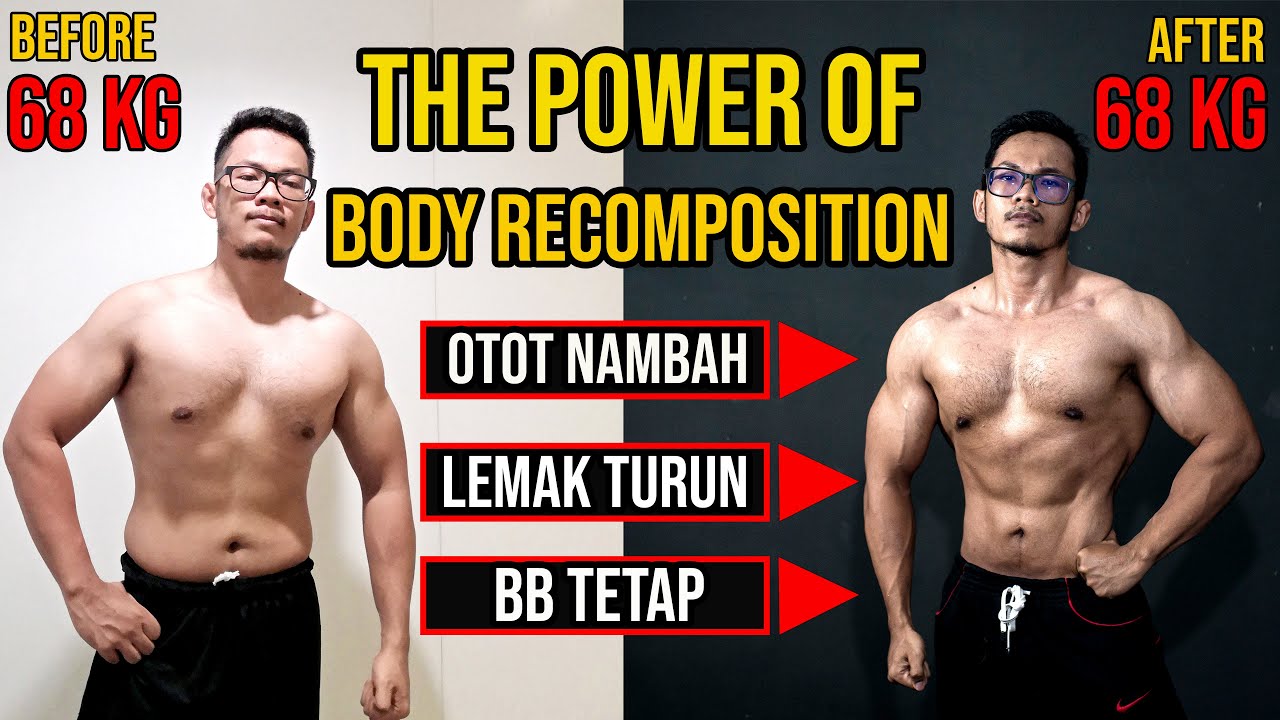
Cara Membentuk OTOT dan BAKAR LEMAK Sekaligus!! Panduan & Tips BODY RECOMPOSITION
Losing fat while gaining muscle via body recomposition│Dr. Brad Schoenfeld

How To Build Muscle AND Lose Fat At The Same Time (Step-by-Step Guide)
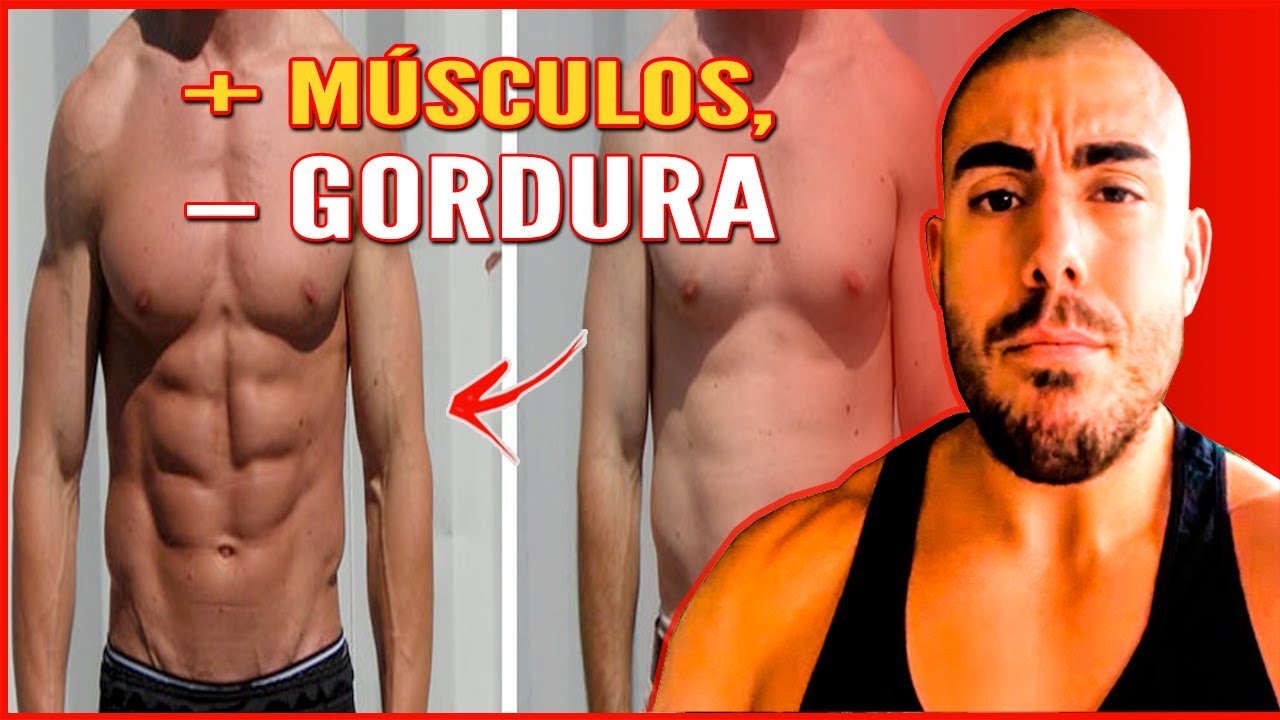
DIETA DE RECOMPOSIÇÃO CORPORAL (BODY RECOMP)

BULKING vs CUTTING vs BODY RECOMPOSITION!! mana yang lebih baik!!?? PEMULA WAJIB TAHU!!

How To Build Muscle And Burn Fat At the SameTime (Body Recomposition)
5.0 / 5 (0 votes)
