Rangkuman Materi Aqidah Akhlak Kelas 11 Bab 9 Semester 2 | Syariat, Tarekat, Hakikat dan Marifat
Summary
TLDRThis video explores the key dimensions of Islamic teachings—Iman, Islam, and Ihsan—focusing on the spiritual journey through Syariat, Tarekat, Hakikat, and Makrifat. It explains Syariat as the foundational rules of Islam, Tarekat as the Sufi path guided by a teacher, Hakikat as the understanding of ultimate truth, and Makrifat as experiential knowledge of God. The content traces the historical development of Tarekat, from early individual practices to structured orders with established teachings. By connecting doctrinal knowledge with spiritual practice, the video provides a clear and structured overview of how Sufi disciplines cultivate closeness to Allah and the realization of one’s full spiritual potential.
Takeaways
- 😀 The video covers a summary of Chapter 9 on Sharia, Tariqat, Haqiqah, and Ma'rifat for 11th grade Madrasah Aliyah students.
- 😀 Islam has three main dimensions according to the teachings of Prophet Muhammad: Iman (faith), Islam (practice), and Ihsan (spiritual excellence).
- 😀 In Sufism, Sharia serves as the foundation for further stages of spiritual development, including Tariqat, Haqiqah, and Ma'rifat.
- 😀 Sharia represents the knowledge and guidance of Islamic teachings and serves as the first stage in spiritual progression.
- 😀 The word 'Tariqat' originates from Arabic, meaning 'path' or 'method', and refers to the spiritual path a Sufi follows under the guidance of a teacher (Mursyid).
- 😀 Tariqat involves practices like worship and dhikr (remembrance of Allah), modeled after Prophet Muhammad and early righteous generations.
- 😀 The development of Tariqat can be divided into three historical stages: the 10th century (individual path), 12th century (structured teachings and centers), and 15th century (transmission of guidance from teachers to disciples).
- 😀 Haqiqah means the ultimate truth or reality and represents the third stage in Sufi knowledge, transcending Sharia and Tariqat.
- 😀 Ma'rifat refers to divine knowledge or spiritual wisdom, understood as deep experiential awareness of Allah, leading to the realization of one’s full humanity and intrinsic values.
- 😀 Spiritual progression in Sufism involves moving from Sharia (rules), through Tariqat (practice), to Haqiqah (truth), and ultimately Ma'rifat (divine knowledge).
- 😀 The video emphasizes that understanding these stages helps individuals grow spiritually and come closer to Allah in both practice and inner realization.
Q & A
What are the three dimensions of the teachings of Islam mentioned in the script?
-The three dimensions of the teachings of Islam are Iman (faith), Islam (submission), and Ihsan (excellence in worship).
What role does Shari'ah play in Sufism?
-Shari'ah serves as the foundational basis or foundation for the next stages in Sufism, namely Tarekat, Haqiqah, and Ma'rifah. It provides the rules and guidelines for a Sufi's practice.
How is the term 'Tarekat' defined in the context of Sufism?
-Tarekat refers to a method or path that a Sufi must follow, governed by specific rules and teachings from a spiritual guide or Mursyid. It is the path towards drawing closer to Allah.
What is the historical development of Tarekat in Sufism?
-The development of Tarekat occurred in stages: first, the individual approach to reaching Allah in the 10th century; then, the establishment of structured teachings and centers in the 12th century; and finally, the transmission of teachings from the master (Syekh) to disciples in the 15th century.
What is the meaning of Haqiqah in Sufism?
-Haqiqah means the ultimate truth or reality, representing the higher knowledge and spiritual realization in Sufism. It is the third stage in the journey of a Sufi after Shari'ah and Tarekat.
What does Ma'rifah refer to in the context of Sufi teachings?
-Ma'rifah refers to deep spiritual knowledge or direct experiential knowledge of Allah. It represents the stage of true understanding and realization of God’s essence in Sufism.
How does Zikir play a role in Tarekat practice?
-Zikir (remembrance of Allah) is a core practice in Tarekat, passed down from the Prophet Muhammad and the early Muslim generations. It is used as a tool to purify the soul and to draw closer to Allah.
How did the practice of Tarekat evolve through history?
-Initially, Tarekat was an individual practice in the 10th century. By the 12th century, it became more structured with established teachings and centers. By the 15th century, Tarekat practices were transmitted through spiritual leaders (Syekh) to their followers.
What is the primary goal of a Sufi on their spiritual journey?
-The primary goal of a Sufi is to attain closeness to Allah through the stages of Shari'ah, Tarekat, Haqiqah, and Ma'rifah, each of which leads to deeper spiritual knowledge and realization.
What is the role of a Mursyid in the Tarekat practice?
-A Mursyid (spiritual guide) plays a crucial role in guiding a Sufi along the path of Tarekat, ensuring that the disciple follows the correct practices and teachings in their journey toward spiritual closeness to Allah.
Outlines

This section is available to paid users only. Please upgrade to access this part.
Upgrade NowMindmap

This section is available to paid users only. Please upgrade to access this part.
Upgrade NowKeywords

This section is available to paid users only. Please upgrade to access this part.
Upgrade NowHighlights

This section is available to paid users only. Please upgrade to access this part.
Upgrade NowTranscripts

This section is available to paid users only. Please upgrade to access this part.
Upgrade NowBrowse More Related Video

SYARI'AT, TAREKAT, HAKIKAT DAN MA'RIFAT | Video Pembelajaran | Akidah Akhlak MA Kelas XI

Akidah Akhlak Kelas XI Bab Syariat Tarekat Hakikat dan Makrifat

102 Pendidikan Agama Islam Pertemuan 4

Bab II: Indahnya Kehidupan Bermakna; Hakikat Iman, Islam dan Ihsan (Materi PAI Kelas XII KurMer)
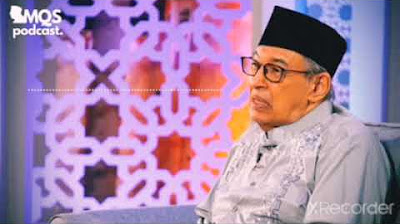
Kajian tentang IMAN ISLAM & IHSAN oleh bpk Prof Dr Quraish Shihab || ulama besar

Dari Nabi hingga Tarekat: Sejarah Syariat, Tarekat, Hakekat & Ma’rifat
5.0 / 5 (0 votes)
