TEMATIK KELAS 5 TEMA 7 SUBTEMA 1 PEMBELAJARAN 1
Summary
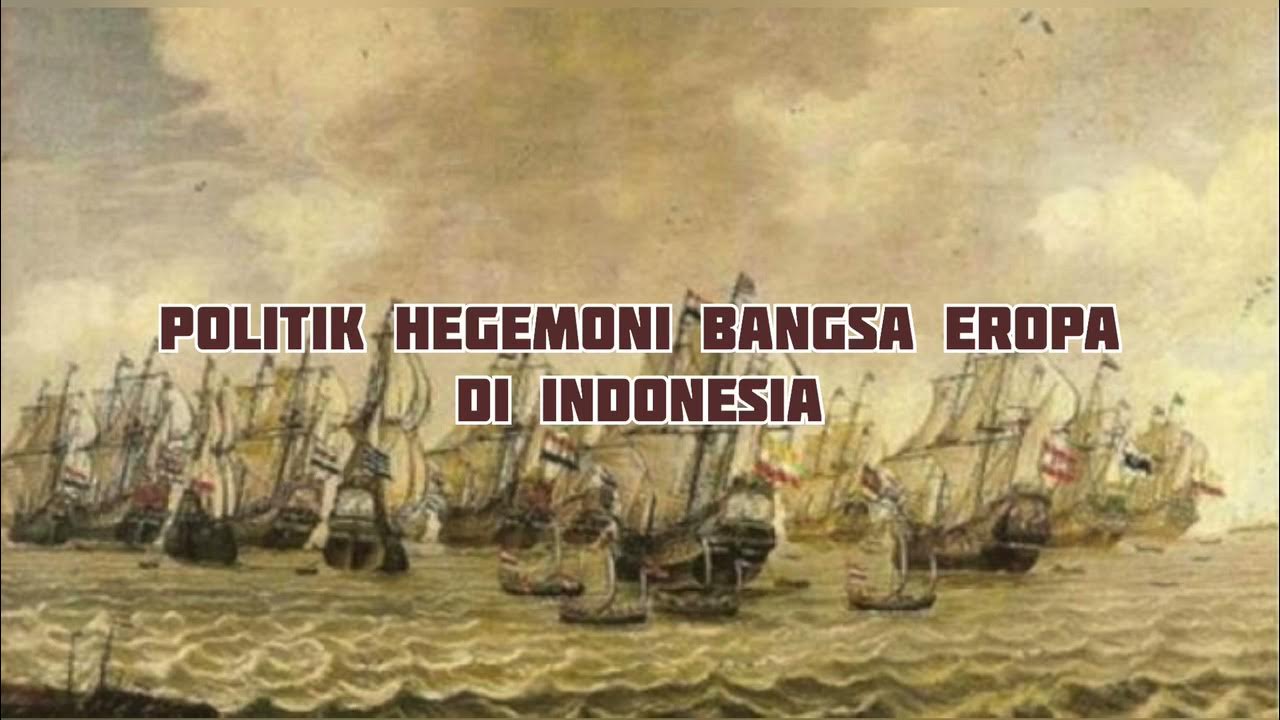
TLDRThis educational video introduces students to the history of Indonesia during the colonial period, focusing on the role of valuable spices like cloves in attracting European powers. It explains how the high demand for spices, combined with goals of wealth (Gold), spreading religion (Gospel), and national glory (Glory), drove European exploration and colonization starting in the 15th century. The video outlines the arrival of the Portuguese, Spanish, Dutch, and English, and highlights the technological advances, such as ships and the compass, that enabled their voyages. It also emphasizes the hardships faced by Indonesians under colonial rule and the resulting resistance movements across the archipelago.
Takeaways
- 🌿 Indonesia is rich in spices such as cloves, which were highly valued for cooking, medicine, and rituals.
- 💰 The high economic value of spices made them a target for European powers to control and monopolize trade.
- 🚢 European nations embarked on maritime explorations to find direct access to spice-producing regions due to obstacles after the fall of Constantinople in 1453.
- 🇵🇹 The Portuguese were the first Europeans to arrive in Southeast Asia, followed by Spain, England, and the Netherlands.
- 🗺️ Advances in technology and navigation, such as improved ships, compasses, and firearms, enabled Europeans to travel and conquer distant lands.
- ⛪ The Europeans carried out exploration not only for wealth (Gold) but also to spread religion (Gospel) and gain prestige (Glory).
- 📈 Controlling the spice trade significantly increased European countries' wealth and global influence.
- ⚔️ Local populations resisted European attempts to dominate, leading to conflicts across the Indonesian archipelago.
- 📜 The arrival and actions of Europeans marked the beginning of colonial influence and the oppression of Indonesian people.
- 🏝️ The first European landing in Indonesia was in Malacca (Portuguese), and the first Dutch landing was in Banten in 1596.
- 👨👩👧👦 The Indonesian people experienced hardship, poverty, and exploitation under colonial rule.
Q & A
What is the main theme of the lesson in the video?
-The main theme is 'Events in Life,' specifically focusing on 'National Events During the Colonial Period' in Indonesia.
Why were European nations interested in Indonesian spices?
-European nations were interested in Indonesian spices because they were highly valuable, comparable to gold, and essential for cooking, medicine, and trade.
What impact did the fall of Constantinople in 1453 have on European trade?
-The fall of Constantinople made it difficult for Europeans to obtain spices from traditional routes, prompting them to explore new sea routes to reach spice-producing regions like Indonesia.
Which European nations were the first to arrive in Indonesia and when?
-The Portuguese first landed in Malacca in 1511, the Spanish arrived in Maluku in 1521, and the Dutch first arrived in Banten in 1596. The English followed later.
What are the '3G' motives behind European exploration and colonization?
-The '3G' motives are Gold (to seek wealth), Gospel (to spread Christianity), and Glory (to gain prestige and power through colonies).
How did scientific and technological developments support European exploration?
-Developments such as improved shipbuilding techniques, the invention of the compass, and the use of gunpowder for weapons enabled Europeans to navigate oceans safely and defend against threats like pirates.
How was the arrival of Europeans initially received by Indonesians?
-The Europeans were initially welcomed by the local population, but tensions arose when Europeans attempted to monopolize trade and control the region, leading to resistance.
What were the economic uses of cloves in Indonesia?
-Cloves were used as a spice for cooking, as incense in China and Japan, as a component in medicine, and for aromatherapy, making them highly valuable economically.
What were the consequences of European colonization for Indonesian people?
-The colonization caused suffering, poverty, and oppression among the Indonesian population.
Why did Europeans feel compelled to compete for colonies in the 15th and 16th centuries?
-They believed that acquiring more colonies would increase a nation's prestige (Glory), provide access to wealth (Gold), allow religious expansion (Gospel), and demonstrate national power in Europe.
How did the discovery of new navigation tools like the compass change European exploration?
-The compass allowed sailors to determine directions without relying on natural landmarks or stars, enabling safer and more precise oceanic navigation even in cloudy or night conditions.
Outlines

This section is available to paid users only. Please upgrade to access this part.
Upgrade NowMindmap

This section is available to paid users only. Please upgrade to access this part.
Upgrade NowKeywords

This section is available to paid users only. Please upgrade to access this part.
Upgrade NowHighlights

This section is available to paid users only. Please upgrade to access this part.
Upgrade NowTranscripts

This section is available to paid users only. Please upgrade to access this part.
Upgrade NowBrowse More Related Video





5.0 / 5 (0 votes)
