Cheerdance and Cheerleading (History, Elements, and Difference)
Summary
TLDRThis video explores the exciting world of cheer dance and cheerleading, highlighting the differences between the two. It covers the history, evolution, and key elements of cheer dance, such as synchronized routines, choreography, tumbling, jumps, stunts, and audience engagement. It also discusses how cheerleading motivates athletes during competitions through chants and cheers. The video emphasizes the importance of performance, creativity, and synchronization in cheer dance, while also touching on the role of props, facial expressions, and teamwork in delivering a compelling routine. Viewers are encouraged to learn basic techniques and engage with the art of cheerleading and cheer dance.
Takeaways
- 😀 Cheer Dance is a physical activity that combines organized routines to motivate sports teams, entertain audiences, and compete.
- 😀 Cheer Dance performances include dances, tumbling, jumps, cheers, and stunts to energize the audience and support athletes in competitions.
- 😀 Cheerleading involves athletic skills, chants, and cheers to engage the audience, with the purpose of motivating teams and providing entertainment.
- 😀 Cheer Dance provides athletes with a psychological edge, offering motivation and lifting their mood during competitions.
- 😀 The main difference between Cheer Dance and Cheerleading is that Cheer Dance focuses on synchronized dance routines, while Cheerleading includes stunts and chants.
- 😀 Cheerleading has a rich history, with key developments such as the introduction of noise makers, pom poms, and gymnastics in the 1920s and 1930s.
- 😀 Cheer Dance emphasizes choreography, synchronization, creativity, and overall performance during competitions.
- 😀 The evolution of cheerleading includes the use of pom poms as a prop in the 1930s and the incorporation of more complex acrobatics and routines in the 1940s and beyond.
- 😀 Cheerleading competitions today include a comprehensive range of skills, including stunts, tumbling, jumps, and crowd interaction.
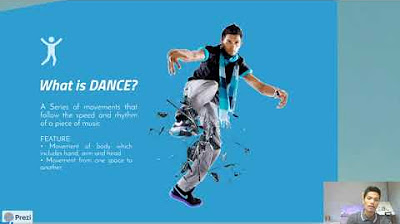
- 😀 Cheer Dance competitions focus primarily on dance, showcasing various dance styles like jazz, hip hop, and contemporary, with an emphasis on fluidity, precision, and coordination.
Q & A
What is cheer dance and how is it different from traditional cheerleading?
-Cheer dance is a physical activity involving synchronized routines that combine dancing, tumbling, jumps, and cheers to motivate and entertain sports teams. Unlike traditional cheerleading, which includes chants, cheers, and audience engagement, cheer dance focuses more on the dance performance, choreography, and synchronization.
How does cheer dance provide psychological support to athletes during competitions?
-Cheer dance offers psychological support by lifting the athletes' mood and motivating them to perform better. When cheerleaders cheer for athletes, it helps reduce nervousness and pressure, boosting their confidence and morale during sports competitions.
What are the key features of cheerleading?
-Cheerleading involves athletic skills such as chanting, dancing, stunts, jumps, and tumbling. Its primary goal is to engage the audience and motivate them to support the sports team, while also energizing the crowd with cheers and chants.
Who is credited as the first official cheerleader and what was his contribution?
-John Cell, an undergraduate from the University of Minnesota, is credited as the first official cheerleader. In 1898, he encouraged the crowd to chant and cheer to motivate the team, introducing organized cheering at events.
What is the significance of the 1920s in the history of cheerleading?
-In the 1920s, cheerleading began incorporating props like drums and noise-makers, which added an extra dimension to cheer performances. These tools helped amplify the cheerleaders' presence and further engage the audience.
How did gymnastics and tumbling become a part of cheerleading?
-In the 1940s, gymnastics and tumbling became a significant part of cheerleading as male cheerleaders returned from war and introduced more acrobatic elements. This led to the inclusion of flips, cartwheels, and other tumbling skills in cheer routines.
What role did pom-poms play in the evolution of cheerleading?
-Pom-poms became widely used in cheerleading routines starting in the 1930s. They were initially made from paper but later transitioned to plastic. The use of pom-poms added visual interest and allowed cheerleaders to further engage with the audience through rhythmic movements.
What is the primary difference between cheer dance and cheerleading in terms of performance focus?
-The main difference is that cheer dance focuses primarily on dance performance, choreography, and synchronized movements, while cheerleading encompasses a broader range of skills, including stunts, tumbling, jumps, cheers, and crowd engagement.
Why is synchronization important in cheer dance and cheerleading?
-Synchronization is crucial because it ensures that all cheerleaders perform movements and transitions in harmony. This creates a visually appealing and cohesive routine, which is essential for both cheer dance competitions and cheerleading performances, enhancing both the aesthetic and the impact of the performance.
What elements are typically evaluated in cheer dance competitions?
-Cheer dance competitions evaluate the choreography, synchronization, creativity, and overall performance of the team. Judges assess how well the team executes their routines, the fluidity of transitions, and the artistic expression within the dance, including how props are used.
Outlines

This section is available to paid users only. Please upgrade to access this part.
Upgrade NowMindmap

This section is available to paid users only. Please upgrade to access this part.
Upgrade NowKeywords

This section is available to paid users only. Please upgrade to access this part.
Upgrade NowHighlights

This section is available to paid users only. Please upgrade to access this part.
Upgrade NowTranscripts

This section is available to paid users only. Please upgrade to access this part.
Upgrade Now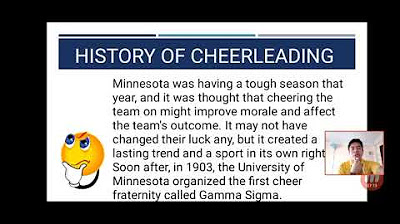




5.0 / 5 (0 votes)
