SENI BATIK KELAS 7 BATIK JUMPUTAN
Summary
TLDRIn this educational video, Bu Vera introduces the art of batik jumputan, a traditional Indonesian textile craft involving resist-dyeing techniques. The process involves using materials like cotton, silk, and synthetic fibers, and applying natural or chemical dyes. Techniques like tying, folding, and applying dye with tools such as kelereng (marbles) or rubber bands help create unique patterns. The video also explores the history of celup ikat (resist-dyeing), tracing its origins from China to Southeast Asia, and highlights regional variations in Indonesia, such as sasirangan in Banjarmasin and pelangi in Palembang. Bu Vera concludes with a practical demonstration and tips for creating batik jumputan designs.
Takeaways
- 😀 Batik Jumputan is a traditional textile craft in Indonesia, made through a resist-dyeing technique, similar to batik but with different materials and methods.
- 😀 The resist-dyeing process involves blocking the dye from reaching certain areas of the fabric using bindings like threads, rubber bands, or raffia.
- 😀 Batik Jumputan is produced in various regions of Indonesia, including Central Java and Yogyakarta, with each area having its unique style and motifs.
- 😀 Materials used for making Batik Jumputan include fabrics like cotton, silk, and mori, while dyes can be natural (from plants) or synthetic (like napthol and indigo).
- 😀 The process of creating Batik Jumputan involves multiple stages, such as preparing the fabric, dyeing, and fixing the colors using a substance called waterglass.
- 😀 The history of Batik Jumputan dates back to China during the Tang Dynasty, and it spread through India, Southeast Asia, Africa, and Japan, each adopting it for different purposes.
- 😀 In Indonesia, regions like Palembang, Banjarmasin, and Yogyakarta have distinct styles of Batik Jumputan, with each region using different motifs and techniques.
- 😀 The main tools for creating Batik Jumputan include raffia, rubber bands, needles, thread, and fabric dyes, with various techniques like 'shibori' to create patterns.
- 😀 The motifs in Batik Jumputan are typically created through the precise binding of fabric to prevent dye absorption, allowing for intricate designs and vibrant colors.
- 😀 Batik Jumputan is used in various ways, such as clothing for daily wear, ceremonial garments, and sometimes for wedding attire, showcasing its cultural significance.
Q & A
What is jumputan batik?
-Jumputan batik is a type of textile produced using a dyeing technique where certain areas of the fabric are tied or bound to resist the dye, creating patterns. This technique is similar to batik, but instead of using wax as a resist, it uses threads or cords.
How is the process of creating jumputan batik similar to batik?
-Both jumputan and batik use a resist dyeing technique. In batik, wax is used as a resist to block the dye from reaching certain parts of the fabric. In jumputan, threads or cords are tied around parts of the fabric to prevent dye from penetrating those areas.
What materials are typically used in making jumputan batik?
-The materials used include fabrics such as mori, cotton primisima, blacu, and silk. Additionally, dyes are either natural, sourced from plants, or synthetic, such as napthol or indigo. Other tools include raffia cords, rubber bands, needles, nylon threads, brushes, and marbles.
What is the significance of waterglass in the jumputan batik process?
-Waterglass is used as a color fixative to ensure that the dye adheres properly to the fabric and prevents it from fading or washing out after the dyeing process.
Where did the technique of celup ikat (jumputan) originate?
-The celup ikat (jumputan) technique is believed to have originated in China during the Tang Dynasty. It later spread to India, Southeast Asia, and Japan before becoming popular in Indonesia.
How does the technique of celup ikat differ in various regions of Indonesia?
-In different regions of Indonesia, the celup ikat technique has evolved with unique patterns and designs. For example, in Palembang, it is known as 'pelangi' or 'Cinde' with vibrant colors, in Kalimantan it is called 'sasirangan' with geometric patterns, and in Java, it is known as 'tiri kritis' which is often used for weddings.
What are some common motifs used in jumputan batik?
-Common motifs in jumputan batik include geometric designs, floral patterns, and regional-specific symbols. For example, in Java, the motifs are often used for special events like weddings or traditional ceremonies.
How is the dye applied in the jumputan batik process?
-The dye is applied using various methods, such as dipping the fabric in dye, painting it with brushes, or even using tools like marbles to create specific patterns. These methods allow for creative and unique designs to emerge on the fabric.
What is shibori, and how does it relate to jumputan batik?
-Shibori is a Japanese tie-dye technique that involves folding, twisting, or binding fabric before dyeing it. In the context of jumputan batik, shibori techniques are used to create specific patterns by folding the fabric into shapes like triangles or other forms before dyeing.
What is the role of 'coletan' in the jumputan batik process?
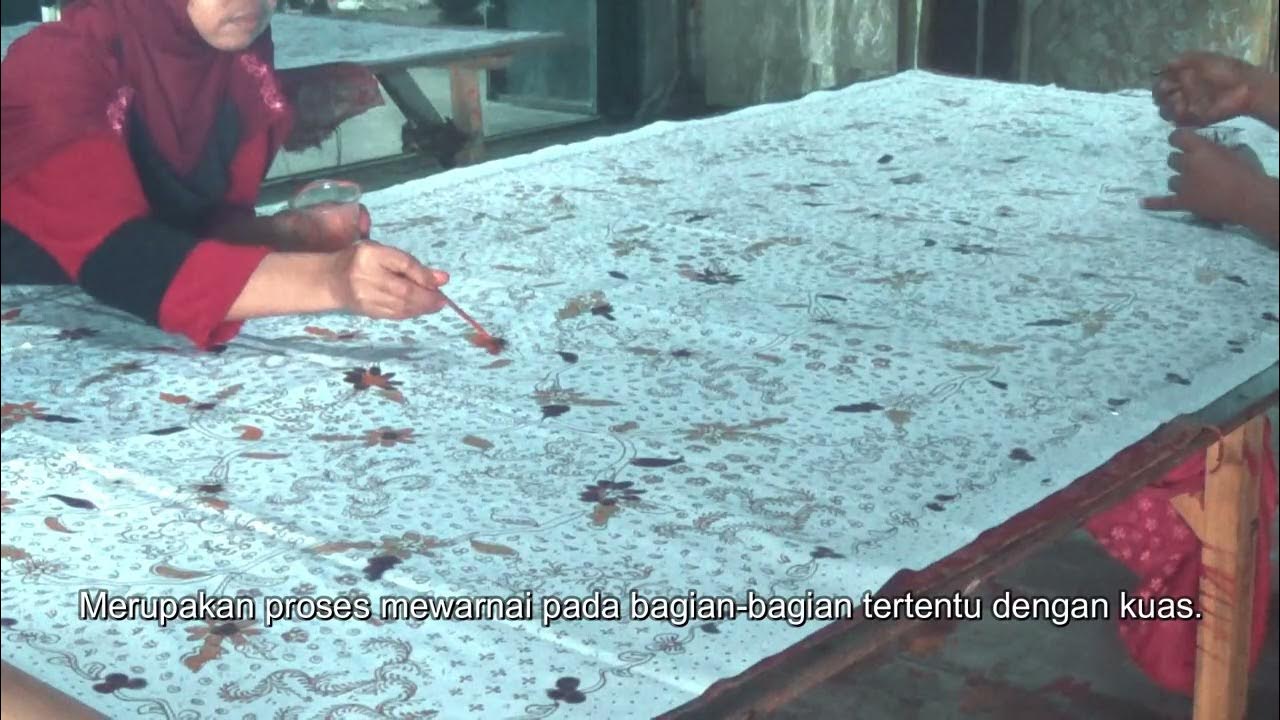
-Coletan is the process of applying dye directly to specific parts of the fabric using a brush, allowing for targeted coloring without dyeing the entire fabric. This technique is used to create smaller, more detailed areas of color on the fabric.
Outlines

This section is available to paid users only. Please upgrade to access this part.
Upgrade NowMindmap

This section is available to paid users only. Please upgrade to access this part.
Upgrade NowKeywords

This section is available to paid users only. Please upgrade to access this part.
Upgrade NowHighlights

This section is available to paid users only. Please upgrade to access this part.
Upgrade NowTranscripts

This section is available to paid users only. Please upgrade to access this part.
Upgrade NowBrowse More Related Video



5.0 / 5 (0 votes)
