Biosfer | Geografi | Alternatifa
Summary
TLDRIn this video, Iben explores the fascinating concept of the biosphere, which includes the Earth's life-supporting layers: the atmosphere, hydrosphere, and lithosphere. The script covers the distribution of flora and fauna across the globe, examining why certain species exist in specific regions, like elephants in Thailand and Lampung, or Komodo dragons in Nusa Tenggara. Key biological concepts are discussed, including adaptation, reproduction, and natural selection, as well as the factors affecting species distribution, such as climate, soil conditions, and food availability. The video also delves into biogeography and the different ecosystems that shape Earth's biodiversity.
Takeaways
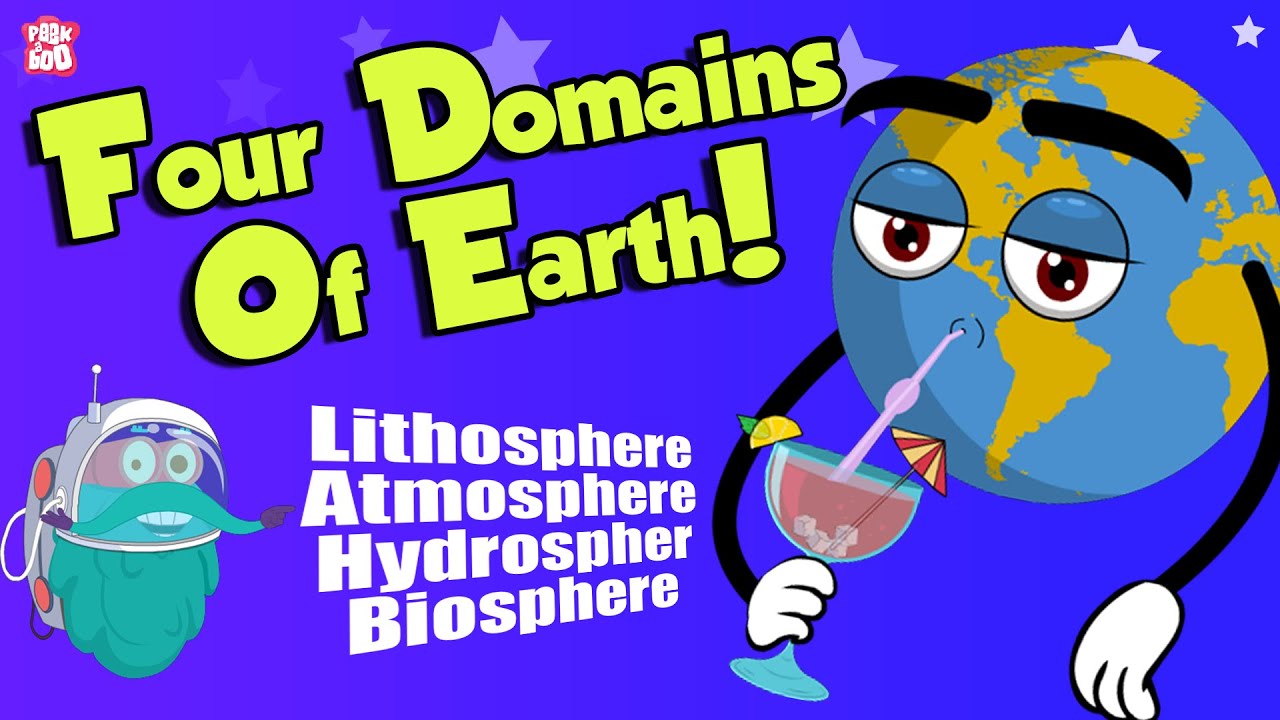
- 😀 The biosphere is the layer of Earth where life exists, including the atmosphere, hydrosphere, and lithosphere.
- 😀 The biosphere supports various levels of life, from individuals (like animals or plants) to complex ecosystems and biomes.
- 😀 Biogeography is the study of the distribution of flora and fauna across the Earth’s surface.
- 😀 Factors such as climate, soil conditions, landforms, and food availability influence the distribution of species.
- 😀 Climate factors like temperature, humidity, wind, and rainfall determine where certain species can thrive.
- 😀 Soil quality affects plant growth, with fertile soils supporting lush vegetation, while poor soils limit it.
- 😀 The physical relief or landforms (mountains, valleys) can influence local climates, affecting the species that can live there.
- 😀 Availability of food sources is crucial for animal migration and survival, especially during seasonal changes.
- 😀 Species survival is dependent on adaptation, which can be morphological, physiological, or behavioral.
- 😀 Reproduction plays a critical role in a species’ survival, with species that reproduce quickly or in large numbers having a better chance of survival.
- 😀 Natural selection, driven by environmental changes, food scarcity, and other challenges, determines which species adapt or face extinction.
Q & A
What is the biosphere, and what does it consist of?
-The biosphere is the layer of Earth that supports life. It consists of the hydrosphere (water), lithosphere (land), and atmosphere (air). These layers create a space where life can thrive.
How does biogeography relate to the distribution of flora and fauna?
-Biogeography is the study of how living organisms are distributed across the Earth. It focuses on the spatial arrangement of flora and fauna, taking into account various environmental factors like climate, soil, and geography.
Why do elephants exist in different places like Lampung, Thailand, and Africa?
-Elephants exist in various regions due to historical migrations, habitat conditions, and their ability to adapt to different climates. However, elephants don't physically cross bodies of water like the Strait of Malacca; their distribution is due to natural migration and human influence.
What factors influence the distribution of flora and fauna on Earth?
-Several factors influence the distribution of flora and fauna, including climate (temperature, humidity, and rainfall), soil conditions (fertility and water retention), relief (terrain and elevation), and food availability (which affects migration and survival).
What is the difference between individuals, populations, communities, and ecosystems in the biosphere?
-An individual is a single organism. A population is a group of individuals of the same species in a specific area. A community is a group of populations interacting in the same area. An ecosystem is a larger system, combining both living organisms (communities) and non-living components (air, water, soil).
How do ecosystems differ from biomes?
-Ecosystems are smaller units of life, consisting of living organisms and their environment, interacting together. Biomes are larger areas composed of multiple ecosystems that share similar climates and vegetation types, such as tropical rainforests or deserts.
What is adaptation, and why is it important for survival?
-Adaptation is the process by which organisms adjust to their environment in order to survive. This can involve morphological changes (body structure), physiological changes (internal functions), and behavioral changes (actions or instincts). Adaptation is crucial for species to thrive in different environmental conditions.
What is the role of natural selection in the survival of species?
-Natural selection is the process by which organisms with traits better suited to their environment are more likely to survive and reproduce, passing those traits on to future generations. Over time, this leads to the evolution of species that are adapted to their surroundings.
What is the difference between generative and vegetative reproduction?
-Generative reproduction involves the fusion of male and female gametes (e.g., fertilization in animals and plants), resulting in offspring with genetic diversity. Vegetative reproduction, on the other hand, involves a single parent and produces genetically identical offspring (e.g., through runners or cloning in plants).
What factors might contribute to the extinction of a species?
-Factors that contribute to the extinction of a species include the inability to adapt to changing environmental conditions, lack of reproductive success, and external pressures like natural disasters, climate change, or loss of food sources. Natural selection and the inability to compete for resources also play significant roles.
Outlines

This section is available to paid users only. Please upgrade to access this part.
Upgrade NowMindmap

This section is available to paid users only. Please upgrade to access this part.
Upgrade NowKeywords

This section is available to paid users only. Please upgrade to access this part.
Upgrade NowHighlights

This section is available to paid users only. Please upgrade to access this part.
Upgrade NowTranscripts

This section is available to paid users only. Please upgrade to access this part.
Upgrade NowBrowse More Related Video




5.0 / 5 (0 votes)
