Kupas Tuntas LOGIKA dalam 13 Menit
Summary
TLDRIn this video, the creator explores the different meanings of 'logic' and 'logical' in everyday language, formal logic, and general reasoning. They explain how 'logical' can mean 'makes sense' or 'realistic' in casual conversations, but in formal logic, it refers to conclusions that follow valid reasoning. The video delves into the distinctions between deductive and inductive reasoning, using examples like mythological premises and moral debates. The creator aims to clarify these concepts and help viewers understand the importance of context when discussing logic, particularly in social media and public conversations.
Takeaways
- 😀 Logic can be interpreted differently depending on context: everyday reasoning vs formal logic.
- 😀 In everyday language, 'logis' refers to what makes sense or is plausible, based on real-world observations.
- 😀 In formal logic, 'logis' means the conclusion must logically follow from the premises, regardless of real-world truth.
- 😀 The example of 'memelihara babi ngepet bisa bikin kaya raya' demonstrates how people interpret 'logis' differently based on their understanding.
- 😀 Formal logic doesn't assess whether something is true in the real world, but whether the reasoning follows the rules of logic.
- 😀 In formal logic, a conclusion is valid only if it strictly follows from the given premises, like in mathematical or deductive logic.
- 😀 Everyday reasoning often evaluates whether something 'makes sense' in reality, which can lead to different answers compared to formal logic.
- 😀 Formal logic includes deductive reasoning, where conclusions are drawn from the premises according to specific logical rules.
- 😀 Inductive reasoning is another type of logic where patterns or observations lead to general conclusions, often used in everyday life.
- 😀 Moral or legal reasoning involves judgment based on moral or legal frameworks, which is a different form of 'logical' reasoning.
Q & A
Why did the question about keeping a mythical creature to become rich produce different answers?
-Because people interpreted the word "logical" differently. Some understood it as "factually true in the real world," while others interpreted it as "valid according to formal logical rules." These differing definitions led to varied responses.
What is the first common meaning of "logical" discussed in the script?
-The first meaning equates "logical" with "reasonable" or "factually correct." In everyday conversation, something is considered logical if it aligns with real-world facts and makes sense empirically.
How does formal logic define something as logical?
-In formal logic, a conclusion is logical if it necessarily follows from the given premises according to established rules of deduction, regardless of whether the premises are true in reality.
Why is the conclusion "Upin is rich" considered logical in the formal example provided?
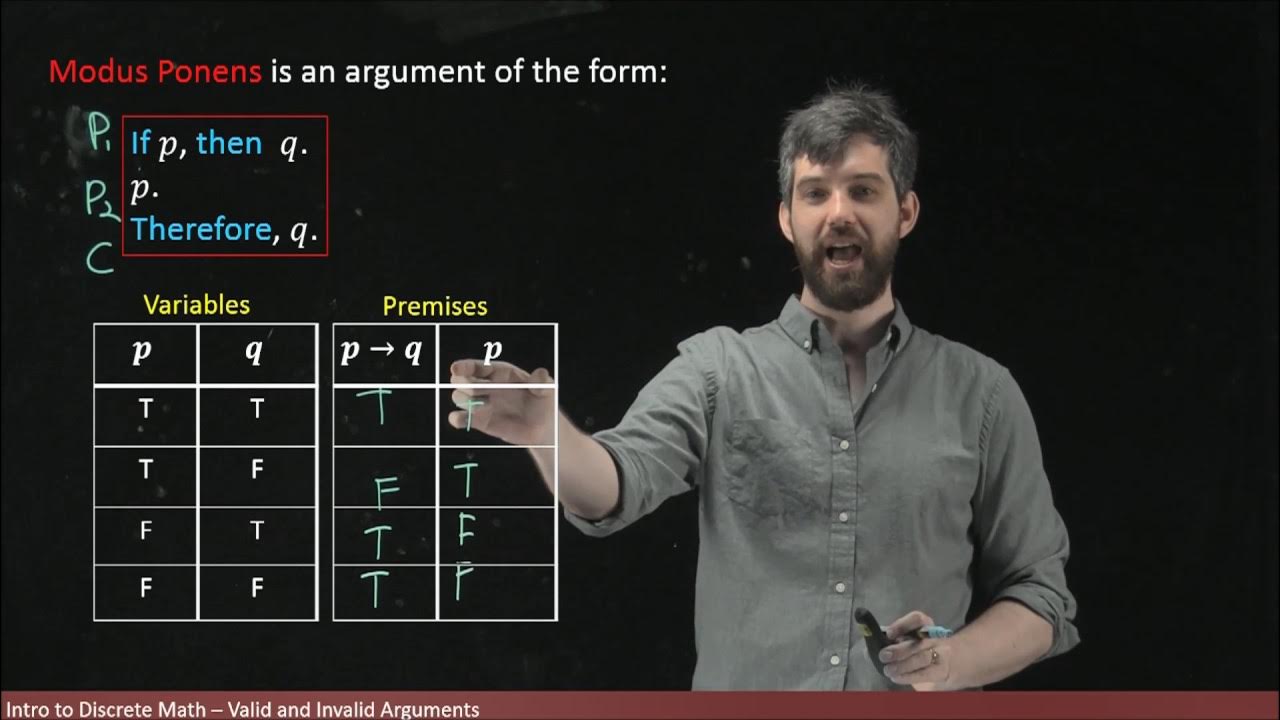
-Because the premises state: (1) If someone keeps the mythical creature, then they become rich, and (2) Upin keeps the creature. According to the rule of modus ponens in formal logic, the conclusion "Upin is rich" necessarily follows.
Why is judging a premise by real-world facts considered irrelevant in formal logic exercises?
-Because formal logic evaluates the structure of reasoning, not the truth of the premises in reality. The task is to determine whether the conclusion follows validly from the premises provided.
What is the third meaning of logic mentioned in the script?
-The third meaning refers to general reasoning or a structure of thought. In this sense, logic can involve moral reasoning, legal reasoning, or other rule-based systems beyond formal deductive logic.
How can moral reasoning be described as a form of logic?
-If someone operates under a moral rule such as "all forms of kidnapping are wrong," then concluding that a specific kidnapping is wrong follows logically within that moral framework. The reasoning is consistent with the adopted rule.
What is the error in concluding "It rained" from the premises "If it rains, the street is wet" and "The street is wet"?
-This is the fallacy of affirming the consequent. The premises do not guarantee that rain is the only cause of a wet street. Therefore, the conclusion does not necessarily follow in formal deductive logic.
Why might someone still conclude that it rained when seeing a wet street?
-Because they are using inductive reasoning based on real-world patterns, where wet streets are commonly caused by rain. Inductive reasoning relies on probability and patterns, not strict deductive certainty.
What is the key difference between deductive and inductive reasoning highlighted in the script?
-Deductive reasoning guarantees the truth of the conclusion if the premises are true and the reasoning is valid. Inductive reasoning, on the other hand, draws probable conclusions based on patterns or observations but does not guarantee certainty.
Why is it important to clarify the meaning of "logic" in discussions?
-Because misunderstandings often arise when people use different definitions of logic—such as factual correctness versus formal validity. Clarifying the meaning helps ensure more productive and coherent conversations.
What was the main purpose of the speaker in explaining these different meanings of logic?
-The speaker aimed to reduce confusion in discussions about logic, especially in public discourse and social media, by clarifying that different contexts require different interpretations of what "logical" means.
Outlines

This section is available to paid users only. Please upgrade to access this part.
Upgrade NowMindmap

This section is available to paid users only. Please upgrade to access this part.
Upgrade NowKeywords

This section is available to paid users only. Please upgrade to access this part.
Upgrade NowHighlights

This section is available to paid users only. Please upgrade to access this part.
Upgrade NowTranscripts

This section is available to paid users only. Please upgrade to access this part.
Upgrade Now


5.0 / 5 (0 votes)
