Tips dan Contoh Intonasi Membaca Dongeng ~ Latihan Bareng Yuk!
Summary
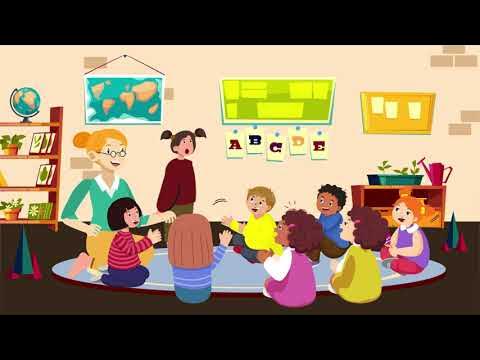
TLDRThis video offers practical tips for storytelling, particularly for reading children's books aloud. The focus is on using a natural tone, speaking slowly, and engaging with children through clear, expressive intonations. It emphasizes the importance of changing voices for different characters in a story, such as animals or narrators, to make the tale come to life. The presenter also demonstrates these tips by reading a children's story about small detectives on an adventure, illustrating how to effectively incorporate character voices and pacing. This guide is ideal for anyone aiming to captivate a young audience through storytelling.
Takeaways
- 🎯 The video provides practical tips and examples for using proper intonation when reading fairy tales to children.
- 🧒 Storytelling for children requires a different tone than speaking to adults or friends, with more warmth, patience, and clarity.
- 🎵 Use a natural tone of voice rather than an exaggerated or artificial one, except when portraying specific characters.
- 🐢 Maintain a slow tempo so children can clearly understand and follow the story.
- 📖 Apply a storytelling or narrative intonation style that feels like gently talking to a child.
- 💬 Add clear emphasis on certain words to help children grasp key points in the story.
- 🎭 Be ready to switch voices when different characters appear, especially in fables with animals.
- 🦁 Differentiate between the narrator’s neutral tone and the unique voices of each character.
- 🔥 Warm up your voice (e.g., vocal exercises like “A I U E O”) before reading aloud.
- 📚 Encourage imagination and curiosity by delivering stories in an engaging and expressive way.
- 🌱 Allow yourself to explore and improve your storytelling style to find the most comfortable and effective intonation.
- ✨ The ultimate goal of using proper intonation is to make storytelling more enjoyable, understandable, and meaningful for children.
Q & A
Why is it important to adjust the intonation when reading to children?
-Adjusting the intonation is crucial when reading to children because it helps keep their attention, makes the story engaging, and ensures they understand the narrative. A varied tone makes the reading more lively and can emphasize key parts of the story.
What role does a natural tone play in storytelling?
-A natural tone is important because it makes the story feel genuine and relatable. It prevents the narration from sounding artificial, which could make it harder for children to connect with the story. Only exaggerated tones should be used when portraying specific characters, like a lion.
Why should the pace be slower when reading to children?
-The pace should be slower to ensure that children can follow along and understand the story. Children may need more time to process the information, so a slower tempo helps them absorb the narrative.
How does intonation help in storytelling for children?
-Intonation helps to convey emotions, actions, and character voices, making the story more dynamic. For children, this keeps the narrative fun and engaging, helping them follow along while also encouraging them to connect emotionally with the characters.
What is the significance of switching characters when reading a story?
-Switching characters helps bring the story to life and allows children to distinguish between different voices or roles. It enhances the storytelling by making each character distinct and giving them their own personality through voice modulation.
What should the narrator’s tone be like when they are not portraying a character?
-When the narrator is not portraying a character, their tone should be neutral and conversational. It should be calm and clear, helping to set the scene and explain the story to the audience without overwhelming them.
What are the key characteristics of intonation when reading to children?
-The key characteristics of intonation when reading to children include being slower, more melodic, and varied in pitch. This helps to highlight important moments, create excitement, and make the story easier to understand.
How does speaking to children differ from speaking to adults in terms of intonation?
-Speaking to children requires a more patient, softer, and slower tone. Unlike adult conversations, which can be faster and more direct, conversations with children should be gentler, with more emphasis on clarity and emotional engagement.
What is the recommended tempo for reading stories to children?
-The recommended tempo for reading to children is slow. A slower tempo gives them time to process the words and follow the story, ensuring they understand the plot and emotions behind the text.
How can a storyteller make a reading session more interactive for children?
-A storyteller can make a reading session more interactive by using different intonations for various characters, slowing down to emphasize key points, and asking engaging questions or prompts to involve children in the story. This keeps their attention and encourages them to think critically about the narrative.
Outlines

This section is available to paid users only. Please upgrade to access this part.
Upgrade NowMindmap

This section is available to paid users only. Please upgrade to access this part.
Upgrade NowKeywords

This section is available to paid users only. Please upgrade to access this part.
Upgrade NowHighlights

This section is available to paid users only. Please upgrade to access this part.
Upgrade NowTranscripts

This section is available to paid users only. Please upgrade to access this part.
Upgrade NowBrowse More Related Video



5.0 / 5 (0 votes)
