F**K | Trump LASHES OUT
Summary
TLDRIn this analysis, Meet Kevin discusses the impacts of Donald Trump's tariff policy, which initially aimed to negotiate special deals but has now led to a flat 10% tariff, reducing his leverage. Kevin highlights the negative economic consequences of these tariffs, including inflation, stagflation, and the Federal Reserve's struggle to lower rates. While recognizing a potential buying opportunity in certain stocks, particularly those leveraging AI, he remains cautious about a possible recession. Overall, Kevin is optimistic about the long-term market but advises careful investment strategies and staying prepared for uncertainty.
Takeaways
- 😀 Trump's tariff policy has shifted from targeted negotiations to a flat 10% tariff, reducing his negotiating power.
- 😀 The removal of tariffs is considered a win for Americans, but the flat 10% tariff will benefit countries like China more than others like the UK.
- 😀 Tariffs imposed by Trump were a tool for negotiation, but the shift to a flat tariff removes this advantage.
- 😀 Trump's tariffs have created inflationary pressures, complicating the Federal Reserve's ability to cut interest rates.
- 😀 Despite economic challenges, there are opportunities for investment in tech stocks and companies integrating AI.
- 😀 The current economic situation is unpredictable, with potential risks of stagflation, making it a cautious environment for investors.
- 😀 Kevin predicts that gold could be a decent investment in the near term due to the flight to safety amid stagflation risks.
- 😀 The stock market has not yet sold off significantly, indicating cautious bullishness despite ongoing uncertainty.
- 😀 Integret, a company integrating AI with human review, is seen as undervalued, with potential for a significant rebound.
- 😀 Kevin expresses skepticism about the likelihood of a recession, but suggests preparing for one just in case, as economic conditions are close to a tipping point.
- 😀 Kevin criticizes Trump's handling of tariffs, suggesting that he should focus on improving American affordability, such as through lower mortgage rates, instead of doubling down on tariffs.
Q & A
What was Donald Trump's main strategy behind imposing tariffs during his presidency?
-Trump's main strategy behind tariffs was to negotiate better trade deals with other countries. He believed that by imposing higher tariffs on imports, particularly from countries like China, he could force them to make favorable agreements, especially regarding trade imbalances and national security issues.
How did the Supreme Court’s decision affect Trump's tariff policy?
-The Supreme Court’s decision to strike down certain tariffs weakened Trump's strategy by limiting his power to impose tariffs through executive orders. This ruling means that tariffs are now subject to Congressional approval, reducing Trump's ability to use them as a tool for negotiation.
Why did Trump shift from targeted tariffs to a flat 10% tariff, and what are the consequences?
-Trump shifted to a flat 10% tariff after facing challenges with the previous, more flexible tariff strategy. The consequences include losing the ability to negotiate tariffs with specific countries, which may benefit nations like China that previously faced higher tariffs, while hurting countries that had negotiated better deals.
What impact do tariffs have on the U.S. economy and consumers?
-Tariffs generally raise the prices of imported goods, making them more expensive for U.S. consumers. Despite the intended goal of encouraging domestic production, the economic burden falls mostly on American consumers, leading to inflationary pressure. The net effect has been an increase in costs and reduced affordability.
What was the reaction of the stock market to Trump’s tariff changes and the Supreme Court decision?
-The stock market showed cautious optimism, with some sectors remaining stable despite the uncertainties. While tariffs were reduced in some areas, other sectors like technology stocks faced volatility. The market was generally resilient, reflecting a middle-of-the-road bullish sentiment despite the tariff turmoil.
How do tariffs contribute to inflation, and what was Trump’s stance on Federal Reserve rate cuts?
-Tariffs contribute to inflation by raising the costs of goods and services, which in turn raises the overall price level. Trump criticized the Federal Reserve for not cutting rates enough, despite his tariffs being one of the driving forces behind the inflation. His stance was that the Fed should ignore inflation concerns and prioritize lowering interest rates to stimulate the economy.
What is the bare bull scale mentioned in the video, and where does the speaker place it currently?
-The bare bull scale is a tool used by the speaker to measure and communicate his current market sentiment. It is updated regularly based on economic conditions and personal analysis. At the time of the video, the speaker placed the scale at a 5.4, indicating a cautious, middle-of-the-road outlook with some optimism but also a recognition of risks, including the possibility of stagflation.
What are the potential long-term effects of Trump’s tariff policy on the housing market?
-Trump’s tariff policy has had mixed effects on the housing market. While he advocated for reducing institutional investment in housing, studies showed that banning institutional investors would likely lead to limited housing development and could ultimately drive prices up. Tariffs have also affected the affordability of construction materials, which could increase housing costs.
What role does gold play in the context of this economic uncertainty?
-Gold is seen as a safe-haven investment during times of economic uncertainty and stagflation. With rising inflation and geopolitical risks, many investors turn to gold as a hedge against currency devaluation and market volatility. The video suggests that gold might continue to attract investors due to these concerns.
Why does the speaker believe certain software companies could be a good investment right now?
-The speaker believes certain software companies are undervalued and present good investment opportunities, especially in the wake of significant stock price drops. Companies that integrate artificial intelligence with human expertise, like Intuit, are seen as having a competitive edge and long-term growth potential, even if the stock market is currently volatile.
Outlines

This section is available to paid users only. Please upgrade to access this part.
Upgrade NowMindmap

This section is available to paid users only. Please upgrade to access this part.
Upgrade NowKeywords

This section is available to paid users only. Please upgrade to access this part.
Upgrade NowHighlights

This section is available to paid users only. Please upgrade to access this part.
Upgrade NowTranscripts

This section is available to paid users only. Please upgrade to access this part.
Upgrade NowBrowse More Related Video
Como funciona a GUERRA TARIFÁRIA de DONALD TRUMP

Trump Tariffs in 2025: A Simple Explanation
SIMAK! Menkeu Sri Mulyani Blak-blakan soal Tarif Trump | AKIM tvOne

Dampak Efek Tarif Trump 32% Ke Indonesia
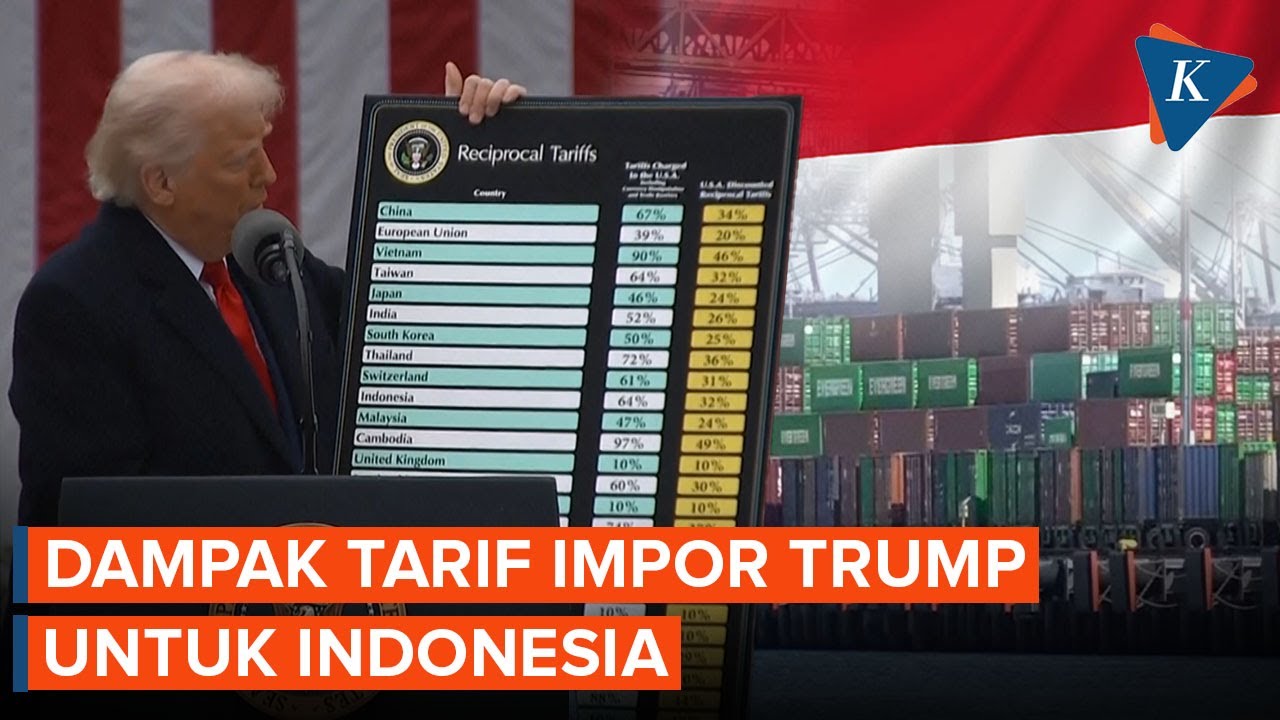
Apa Dampak Kebijakan Tarif Impor Trump untuk Indonesia?

Fareed’s Take: Trump’s tariffs and what they show
5.0 / 5 (0 votes)
