Premotor cortex: supplementary motor area and lateral premotor cortex
Summary
TLDRIn this video, we explore the functions of the primordial cortex, specifically focusing on the primary motor cortex, lateral premotor cortex, and medial premotor cortex. The lateral premotor cortex is involved in interacting with objects, such as grabbing a cup, while the supplementary motor area, part of the medial premotor cortex, controls spontaneous actions like playing a familiar tune on a guitar. Additionally, the lateral premotor cortex processes visual signals, while the medial premotor cortex is responsible for proprioception, helping to monitor limb positions and coordinate actions.
Takeaways
- 😀 The primordial cortex is located just in front of the primary motor cortex in the brain.
- 😀 The primordial cortex has two key regions: the lateral premotor cortex and the medial premotor cortex (supplementary motor area).
- 😀 The lateral premotor cortex is involved in interacting with objects, such as grabbing a cup of coffee.
- 😀 The supplementary motor area (medial premotor cortex) is important for executing well-practiced actions like playing a familiar tune on a guitar.
- 😀 The lateral premotor cortex receives visual signals from the parietal cortex.
- 😀 The medial premotor cortex (supplementary motor area) receives proprioceptive signals, which help determine limb positions.
- 😀 The lateral premotor cortex is associated with acting on objects in the environment.
- 😀 The medial premotor cortex is more involved in spontaneous, sequenced actions that don't rely on constant environmental monitoring.
- 😀 These two premotor regions are thought to store a collection of sensory and motor actions for coordinated movement.
- 😀 The primordial cortex plays a significant role in planning and executing complex movements involving both sensory and motor components.
Q & A
What is the primordial cortex and where is it located?
-The primordial cortex is located just in front of the primary motor cortex in the brain. It consists of two main regions: the lateral premotor cortex and the medial pre-motor cortex.
What is the role of the lateral premotor cortex?
-The lateral premotor cortex is associated with actions that interact with objects in the environment. For example, it helps with tasks like grabbing a cup of coffee.
How does the medial pre-motor cortex function?
-The medial pre-motor cortex, also called the supplementary motor area, is linked to spontaneous, internally driven actions. It is especially involved in sequences of actions that don't require heavy monitoring of the environment, such as playing a familiar tune on a guitar.
What is proprioception and which region of the primordial cortex is associated with it?
-Proprioception refers to the sense of knowing where our limbs are in space. The medial pre-motor cortex (supplementary motor area) receives strong proprioceptive signals that help with body awareness during movement.
What type of sensory signals does the lateral premotor cortex receive?
-The lateral premotor cortex receives visual signals from the parietal cortex, which helps guide actions that involve interacting with objects in the environment.
How do the medial and lateral premotor cortices differ in terms of their sensory inputs?
-The lateral premotor cortex primarily receives visual signals via the parietal cortex, while the medial pre-motor cortex receives proprioceptive signals about the positions of the limbs.
What is meant by the 'stock of actions' in the lateral premotor cortex?
-The 'stock of actions' in the lateral premotor cortex refers to a stored collection of actions that integrate both sensory and motor components, helping to guide interactions with the environment.
How does the medial pre-motor cortex contribute to action sequences?
-The medial pre-motor cortex is involved in generating action sequences, especially those that do not demand strong environmental monitoring, and is key in executing habitual or learned movements.
Why is the supplementary motor area important for action sequences?
-The supplementary motor area, which is part of the medial pre-motor cortex, plays a crucial role in organizing and coordinating action sequences that are automatic or well-learned, such as playing a song on an instrument.
What is the relationship between the primordial cortex and the primary motor cortex?
-The primordial cortex is located just in front of the primary motor cortex. While the primary motor cortex is responsible for direct voluntary movements, the primordial cortex assists in preparing and coordinating these actions, integrating sensory inputs and motor plans.
Outlines

This section is available to paid users only. Please upgrade to access this part.
Upgrade NowMindmap

This section is available to paid users only. Please upgrade to access this part.
Upgrade NowKeywords

This section is available to paid users only. Please upgrade to access this part.
Upgrade NowHighlights

This section is available to paid users only. Please upgrade to access this part.
Upgrade NowTranscripts

This section is available to paid users only. Please upgrade to access this part.
Upgrade Now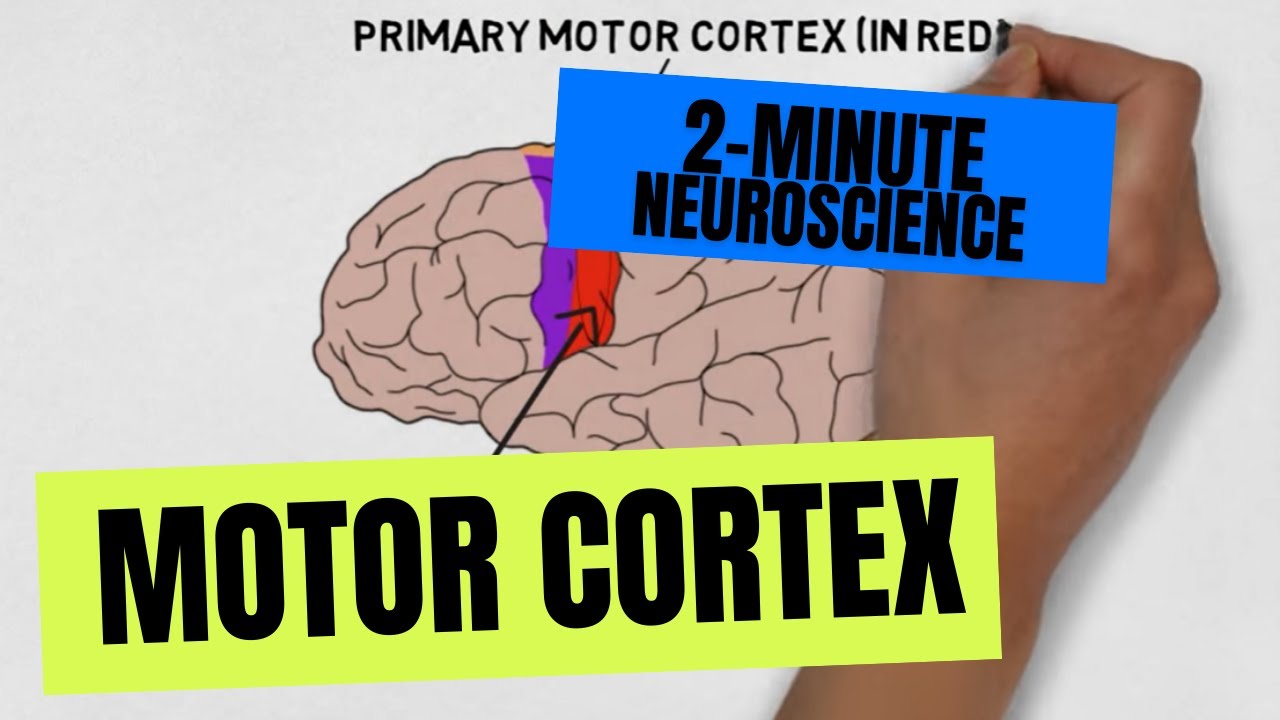


5.0 / 5 (0 votes)
