Ramadhan Membentuk Habit Sukses
Summary
TLDRThis speech reflects on the significance of Ramadan as a time for spiritual growth, self-discipline, and character development. The speaker emphasizes that Ramadan is not only about fasting but also about cultivating habits that strengthen personal integrity and leadership. Drawing on Islamic teachings, the speaker highlights how consistent actions and self-control during Ramadan shape individuals into more disciplined, patient, and spiritually connected people. The importance of personal change and collective growth within the educational institution, Al-Azhar, is also emphasized, stressing that success is built on small, consistent actions that lead to lasting transformation.
Takeaways
- 😀 Ramadan is not just about fasting but also a time for spiritual and personal growth.
- 😀 Fasting helps to build good habits and shapes character, which in turn forms a strong personality.
- 😀 The ultimate goal of fasting is to achieve taqwa (God-consciousness), as stated in Surah Al-Baqarah 2:183.
- 😀 There are three levels of fasting: the basic, the special (guarding body parts), and the most special (guarding the heart from distractions).
- 😀 Fasting is a form of self-discipline that helps to control desires and emotions, both mentally and physically.
- 😀 Consistency in good deeds, no matter how small, is highly valued in Islam and leads to a closer relationship with Allah.
- 😀 A person who consistently practices good deeds will develop solid, lasting virtues that define their character.
- 😀 Ramadan teaches the importance of integrity, discipline, patience, and personal development.
- 😀 Teachers and leaders who control their emotions and act with wisdom, patience, and justice are more effective in their roles.
- 😀 Successful institutions, especially educational ones, thrive on the collective patience, discipline, and character of their members.
- 😀 True institutional change begins with individuals, and Ramadan offers an opportunity for personal transformation that leads to collective progress.
Q & A
What is the main message of the speech?
-The main message of the speech emphasizes the spiritual, personal, and institutional benefits of Ramadan. It highlights the importance of fasting as a means of cultivating discipline, character, and integrity. It also emphasizes that true success is built on consistent actions and habits, which, if adopted during Ramadan, can lead to personal and institutional excellence.
What does the speaker say about the significance of fasting in Ramadan?
-Fasting in Ramadan is portrayed as a tool for self-control and spiritual growth. The speaker explains that fasting strengthens the soul by weakening worldly desires, leading to greater focus and devotion to Allah. It also trains individuals to manage their emotions, leading to personal discipline and spiritual growth.
How does the speaker describe the different levels of fasting according to Imam Al-Ghazali?
-The speaker refers to Imam Al-Ghazali's classification of fasting into three levels: the basic level, which is simply refraining from food and drink; the intermediate level, which includes controlling all bodily faculties; and the highest level, which involves guarding the heart from worldly distractions and focusing solely on Allah.
What role does consistency play in the speaker's message?
-Consistency, or istiqamah, is a central theme in the speech. The speaker highlights that the most beloved actions to Allah are those that are consistent, even if they are small. This consistency in actions builds sincerity, develops a stable relationship with Allah, and eventually leads to personal and institutional success.
What is the connection between fasting and leadership?
-Fasting is linked to leadership in the sense that it teaches self-control and patience, both of which are essential qualities for effective leadership. The speaker stresses that a leader who can control their emotions and desires is better equipped to lead with wisdom, fairness, and integrity.
How does the speaker relate Ramadan to personal and institutional transformation?
-Ramadan is presented as a time for personal transformation, which in turn can lead to institutional change. The speaker emphasizes that transformation begins with individual habits, such as punctuality, discipline, and preparation. If these habits are internalized, they can create a strong foundation for the growth and success of the institution, such as the Al-Azhar educational institution.
What is the importance of sabr (patience) in Ramadan and leadership?
-Patience (sabr) is essential both in Ramadan and in leadership. The speaker quotes the Quran and various scholars to emphasize that patience is a key trait for leaders. It is through patience that one gains the ability to lead effectively and guide others, particularly in challenging circumstances.
How does the speaker explain the concept of ‘habit formation’ during Ramadan?
-The speaker explains that Ramadan offers a unique opportunity for the formation of positive habits through repetition. Practices such as timely prayers, controlling anger, and preparation for teaching are all repeated daily during the month. These actions, when consistently performed, eventually become ingrained in one's character, leading to personal and professional growth.
What is the significance of the verse from Surah Ar-Ra'd (13:11) mentioned in the speech?
-The verse from Surah Ar-Ra'd (13:11), 'Indeed, Allah will not change the condition of a people until they change what is in themselves,' is cited to emphasize that personal change is the foundation for broader societal or institutional change. The speaker stresses that if individuals work on transforming themselves, positive changes will naturally follow in their surroundings.
What qualities does the speaker suggest are necessary for success in both personal life and within an institution?
-The speaker suggests that success is not only about intelligence or facilities but also about the character of the people within the institution. Qualities like discipline, integrity, patience, and the consistent pursuit of small actions contribute to both personal success and the success of the institution.
Outlines

This section is available to paid users only. Please upgrade to access this part.
Upgrade NowMindmap

This section is available to paid users only. Please upgrade to access this part.
Upgrade NowKeywords

This section is available to paid users only. Please upgrade to access this part.
Upgrade NowHighlights

This section is available to paid users only. Please upgrade to access this part.
Upgrade NowTranscripts

This section is available to paid users only. Please upgrade to access this part.
Upgrade NowBrowse More Related Video

Kultum Ramadhan # 18 || "Puasa sebagai Pembentuk Karakter" ||

Kultum Ramadhan 11 I Mengenal Ramadhan Bulan Yang Penuh Berkah I M. Salman #kultumramadhan #kkgpai

DAY 13-CERIA RAMADAN/ RAIHANAH/ MTsN 2 BANTUL

KULTUM RAMADHAN DAY 28:M. Alvi Yusril H. // Mengajarkan sabar melalui ibadah puasa // 9H

SELARAS 7: Fakhry Arrasya Putra H. 9H | Memulai Kebaikan dari Diri Sendiri, Bahkan dari Hal Kecil
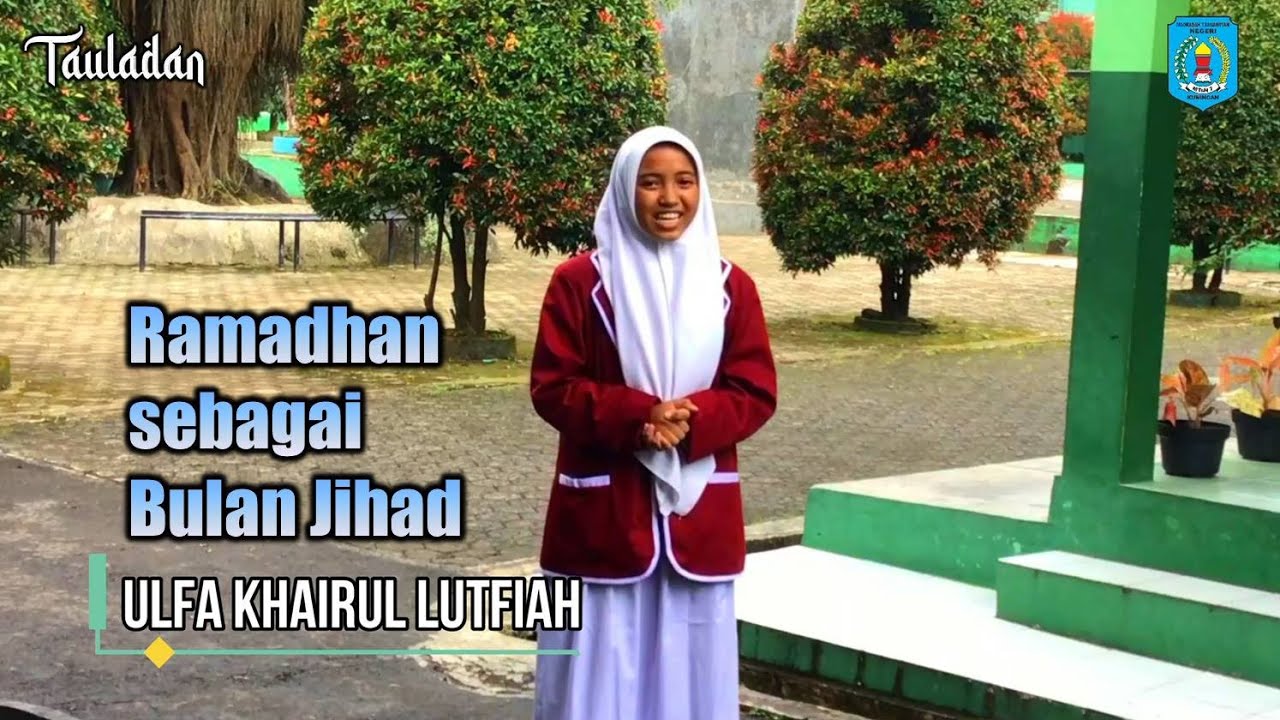
15. TAULADAN 1446H - RAMADHAN SEBAGAI BULAN JIHAD - ULFA KHAIRUL LUTFIAH
5.0 / 5 (0 votes)
